



One of the oldest documented dishes still eaten today — a recipe nearly identical to modern mujadara appears in Kitab al-Tabikh, a 1226 Baghdadi cookbook. It was a Lenten and fast-day staple across the Christian Levant because it carries no meat or dairy, and remained the rural poor's protein-and-starch base across Lebanon, Syria, Palestine, and Jordan for centuries. The name means 'pockmarked' — the lentils dotting the rice.
Lentil-and-rice with deep-fried onion — in the 13th-century Kitab al-Tabikh, tied by medieval Arab cooks to Esau's stew in Genesis. Onion must go past gold into mahogany; under-frying is why home versions taste flat.
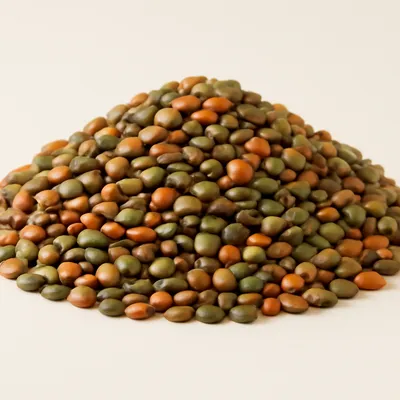
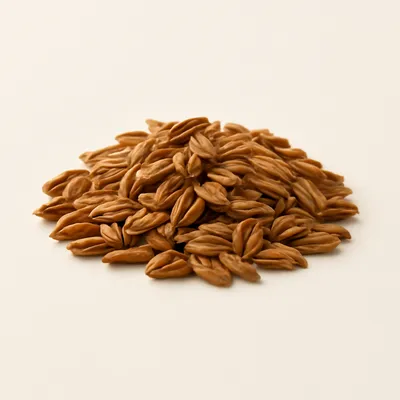
Brown lentils and rice cooked together until the grains take on the lentils' earthy color, then crowned with a heap of onions cooked dark — almost black at the edges, not golden. The onion is half the dish: it's both garnish and the only seasoning besides cumin and salt. Served warm or room temperature, with plain yogurt on the side and sometimes a slice of raw onion. Pale onions mean the cook stopped too early.
Onions are caramelized far past the Western 'caramelized onion' point — to a stage Lebanese cooks call mhammar, where the surface is bitter-edged and the inside is jam. That bitterness is the seasoning; it offsets the lentils' starchy sweetness in the absence of meat fat. Stop at golden and the dish reads flat. The cooking liquid from the onions also goes into the rice pot, carrying color and depth.
Variations
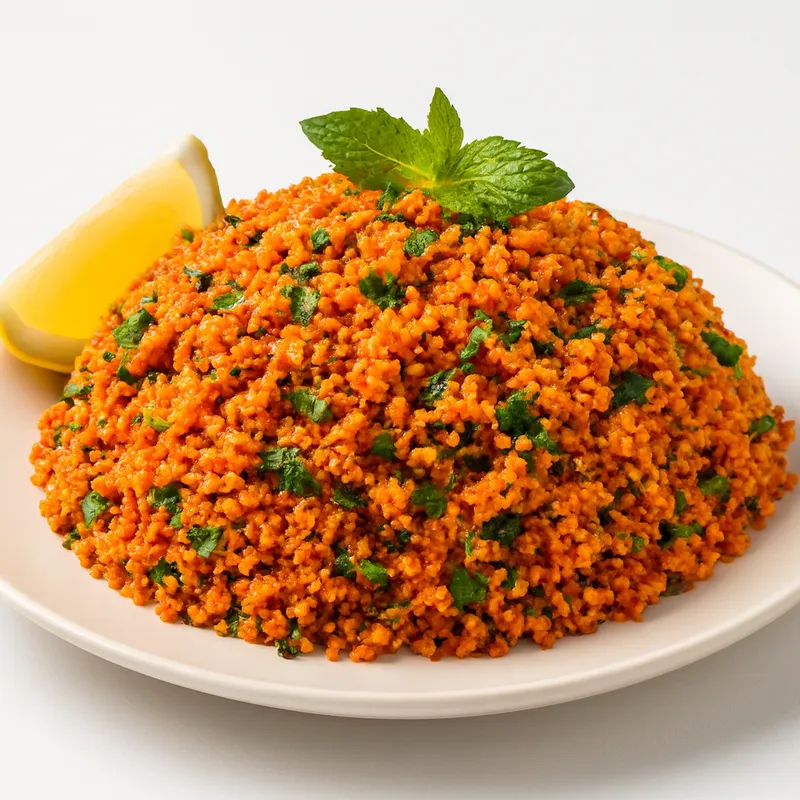
Lebanese m'judra blends lentils and rice 1:1 and goes lighter on cumin; Palestinian mujaddara hamra uses bulgur instead of rice; Syrian version is thicker, often with allspice; Egyptian koshari is the cousin (lentils, rice, pasta, tomato).
On the Palate
Where Mujadara sits in the Lebanese flavor cloud
Ingredients

How it's made
5 steps · 33 min
- 15 min
Rinse the lentils under cold water until the water runs clear. Place them in a pot with water to cover by an inch and bring to a boil. Simmer until tender, about 20 minutes.
- 215 min
In a separate pan, heat olive oil over medium heat. Add sliced onions and cook, stirring occasionally, until they are deeply caramelized and golden brown, about 15 minutes.
Watch outListen and look: the onions should smell toasty and the edges turn mahogany-brown with a bitter whiff, not just soft gold.
- 35 min
Drain the lentils and return them to the pot. Add rice, a pinch of salt, and cumin. Stir to combine and add enough water to cover by half an inch.
- 45 min
Bring the mixture to a boil, then reduce the heat to low. Cover and simmer until the rice is tender and water is absorbed, about 20 minutes.
Watch outKill the heat to the lowest simmer once it boils; a hard boil scorches the bottom before the top grains cook.
- 53 min
Fluff the rice and lentils with a fork, and gently fold in the caramelized onions. Serve warm.
Watch outFluff and fold gently so the grains stay whole and the onions streak through rather than mashing in.
Archive tool suggestions — not reviewed
These legacy suggestions have not been evidence-reviewed and are not presented as required tools.