In Practice
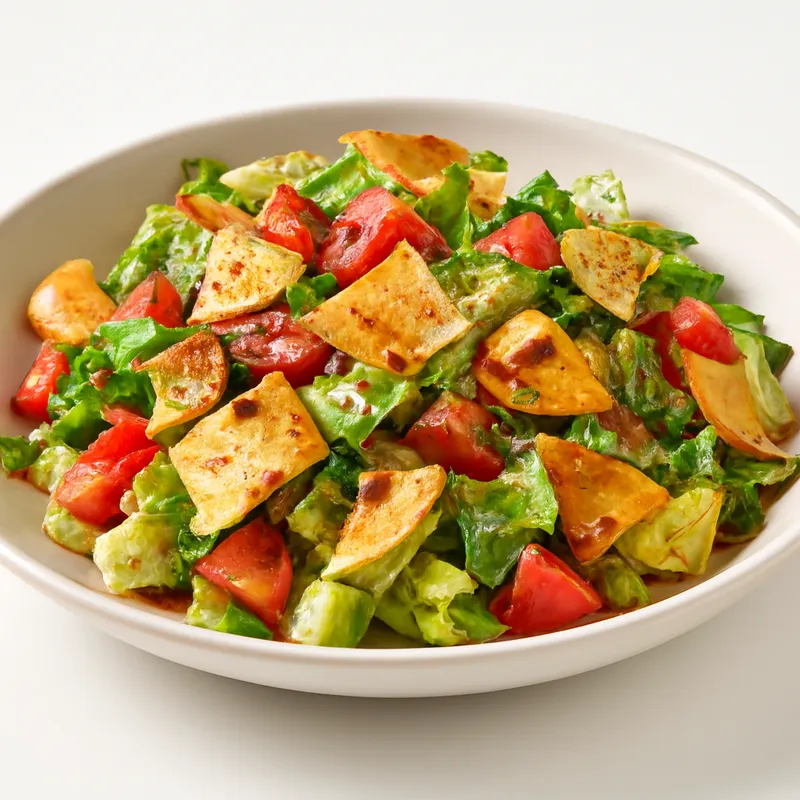
Canon: hummus + baba ghanoush (tahini-eggplant) + tabbouleh (bulgur 1:4 to parsley) + fattoush + muhammara + labneh + kibbeh + warak enab + 4-6 warm items (sujuk, makanek, batata harra). Plates 15-18 cm, served simultaneously not in courses. Arak diluted 1:2 with water (turns milky from anethole micro-emulsion). Failure mode: serving mezze as appetizer course before a main — mezze IS the meal in the Lebanese tradition; reducing it to amuse-bouche breaks the social architecture.
Background
Mezze emerged in the Levantine region during the Ottoman Empire, a confluence of trade and cultures in the 16th century. The bustling markets of Beirut and Damascus were filled with merchants and travelers who shared culinary traditions from across the empire, creating a melting pot of flavors and styles. The need for communal dining experiences, where friends and family gathered to taste and talk, gave rise to the mezze, a collection of small dishes that encouraged interaction and sharing.
The tradition of mezze spread across the Mediterranean, adapting to local palates and ingredients. In Greece and Turkey, it became a staple of tavern dining, while in Lebanon, it retained its status as a centerpiece of social gatherings. Each region added its unique twist—Greece with its tangy cheeses, Turkey with its diverse spices—yet the heart of Lebanese mezze, with dishes like Baba Ganoush and Mujadara, remained unchanged: a celebration of togetherness and flavor exploration.
How It Works
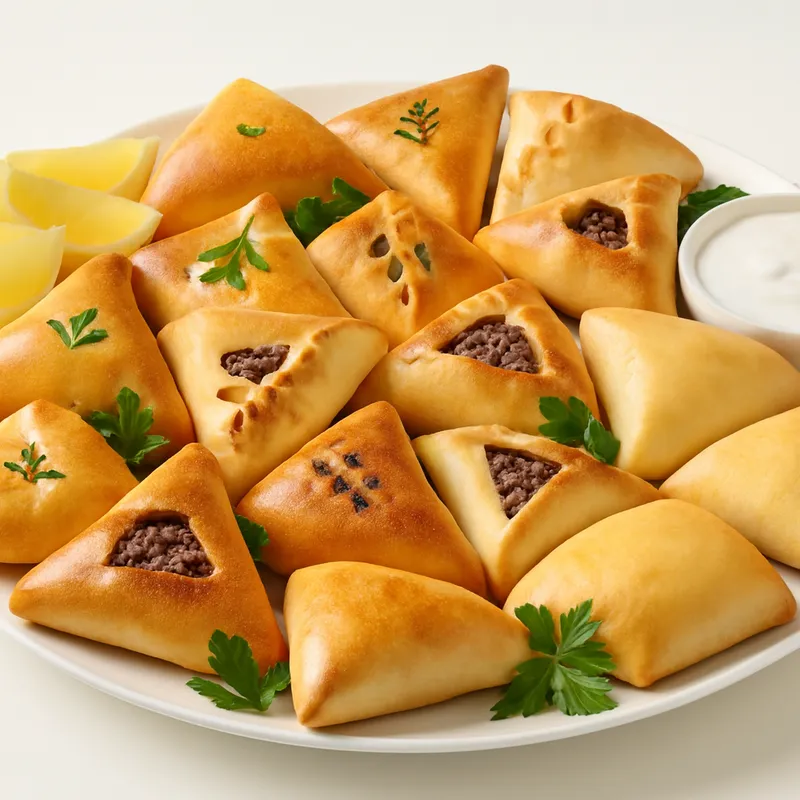
A Levantine pre-meal-as-meal architecture: 6-30 cold and warm small plates set out simultaneously and grazed at slow pace, anchored by flatbread (khubz, pita) used as utensil and palate-reset. The cultural mechanism is *time elasticity* — mezze can run 90 minutes for a casual lunch or 4 hours with arak; the spread itself doesn't dictate when the meal ends.


Through Time
The Persian word *maza* ("taste") entered Arabic and Turkish via the Safavid-Ottoman trade routes; codified across the 16th-19th-century Ottoman Empire's coffeehouses and meyhanes. Tawfiq Touma's 1942 *Al-Tabakh al-Lubnani* documented the Lebanese canon. Sami Tamimi and Yotam Ottolenghi's 2008 *Ottolenghi* cookbook brought the format to Anglo kitchens.
Related cooking knowledge
Zakuski is the Slavic cousin — same simultaneous-cold-spread architecture but vodka-paced and rye-anchored. Banchan parallels with rice. Tapas is the Iberian lateral but typically standing-and-bar-style rather than seated. Emulsification (hummus, tahini, labneh) is the dominant kitchen technique across the canon.