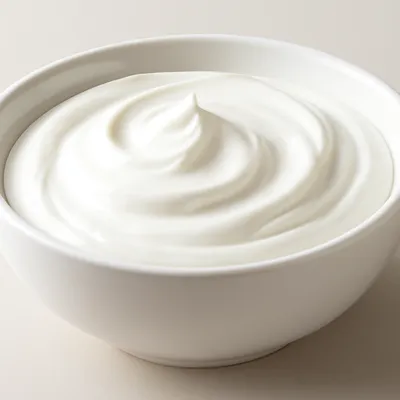



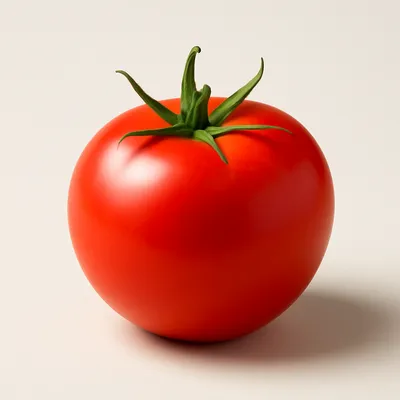
Shanklish is the aged cheese of the Lebanese mountains, a way of turning summer's surplus milk into a keeping food for the months when the animals dry up. It belongs to the ancient family of strained-yogurt preservation: yogurt is salted, drained to a thick paste, rolled into balls, dried, aged, and coated in za'atar or thyme, and the result is a firm, pungent cheese that lasts months without refrigeration. The dish is a specialty of the mountain regions and exists in Syrian and Turkish cousins under different names. Shanklish divides people — its funky, salty intensity is loved or hated — and the classic way to neutralize its force is to crumble it over a salad of tomato, onion and parsley dressed with oil and lemon, which is how most Lebanese actually eat it.
Salty, tangy and deeply funky, with a firm, slightly crumbly paste; the spice coat adds herb and chili heat. Eaten with oil and bread it is sharp and savory; crumbled over tomato and onion it mellows into a salty, aromatic salad.
Shanklish preservation rests on three barriers to spoilage, and all three must hold. Straining the yogurt concentrates its proteins and removes the water microbes need; salting lowers the water activity further, drawing moisture out by osmosis; the long aging lets lactic-acid bacteria and surface molds develop the funky flavor while the low water activity keeps pathogens at bay. The za'atar or thyme coating is functional as well as flavorful: those herbs' essential oils are genuinely antimicrobial, adding a fourth layer of preservation. The result is a firm, low-moisture, high-acid, high-salt cheese — the combination that defines its keeping quality and its pungent, divided character.
Variations
Syrian-style shanklish is rolled larger and aged longer for a stronger flavor. Some coat it in Aleppo pepper alone for heat. The tomato-onion salad version is the most common way to serve it, softening the cheese's intensity.
On the Palate
Where Shanklish (Lebanese) sits in the Lebanese flavor cloud
Ingredients
Serves 8

How it's made
6 steps · 30 min
- 110 min
Strain 1 L yogurt in cheesecloth for 24 hours to make a thick labneh; add 1.5 tsp salt and mix.
Watch outStrain the yogurt until it's thick enough to roll — watery labneh won't hold a ball or dry down safely.
- 215 min
Roll the labneh into small balls (about 3 cm); set on a rack; let dry at cool room temperature 2-3 days, turning, until firm and slightly yellowed.
Watch outDry the balls until firm and slightly yellowed — a soft, pale ball still holds too much water to keep.
- 38 min
Age the balls further (in a cool place or fridge) 5-7 days for a stronger flavor, if desired.
- 45 min
Mix 2 tbsp za'atar with 1 tsp Aleppo pepper (or thyme); roll each ball in the mix to coat fully.
- 52 min
To serve as mezze: drizzle a ball with olive oil and eat with warm bread.
- 64 min
To serve as salad: crumble the cheese over diced tomato, onion and parsley dressed with olive oil and lemon.


