
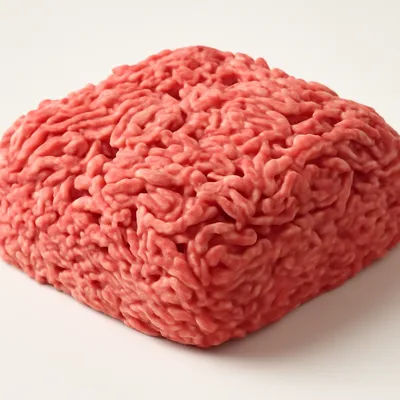
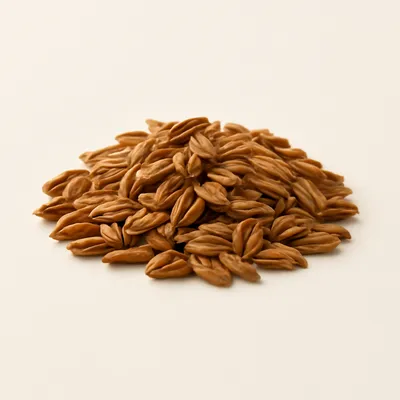
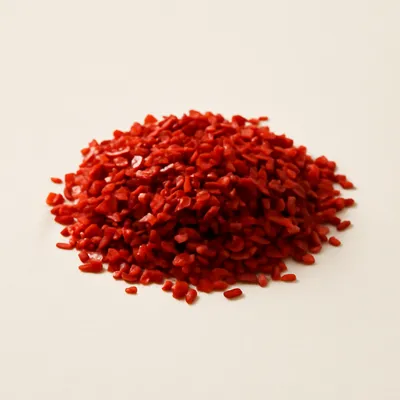
Sucuk is Turkey's fermented, air-dried beef sausage — coarsely ground beef (often blended with a share of beef tail or shoulder fat) seasoned heavily with garlic, cumin, sumac and pul biber, packed into a natural casing, fermented and then air-dried for one to three weeks until firm enough to slice. Kayseri in Central Anatolia is its most famous home. The cured stick is sliced and fried as the centerpiece of the Turkish breakfast, dropped into eggs, or laid over pide, and is eaten the year round as a keeping meat rather than cooked fresh.



Cured and dried sausage of this kind has a long history among the Turkic peoples of Central Asia and Anatolia, where drying and fermenting meat was a way to preserve it through winter without refrigeration, and related sausages are made across the former Ottoman world (Balkan sudzhuk, Levantine sujuk, Armenian soujoukh). The name traces to a Turkic root. Kayseri (Kayseri province in Central Anatolia) is the recognized centre of Turkish sucuk production, its dry continental climate well suited to the slow air-drying the sausage needs. Historically it was a household winter preserve; industrial and butcher production through the 20th century turned it into a year-round staple. Turkish food regulation distinguishes a traditionally fermented, air-dried sucuk from cheaper heat-treated versions that skip the long cure.
A good slice of fried sucuk is firm and meaty rather than soft, with a dense coarse grain you can see, and a deep brick-red color from paprika and the cure. The flavor is forward and unsubtle: heavy garlic, warm cumin, a tang from the fermentation and a low chili heat. Fried, the fat softens and the edges crisp, and a slick of fragrant orange fat renders into the pan. It is rich enough that a few coins flavor a whole plate of eggs. Eaten raw or under-fried it is unpleasantly fatty; it wants enough heat to render and char a little.
Sucuk depends on three steps. First the coarsely ground meat and fat are mixed with salt, curing salt and spices and packed into casing; the garlic and the curing salt both help control spoilage. Then fermentation: lactic-acid bacteria, naturally present or added as a starter culture, ferment sugars in the meat and drop its pH, which gives the tang and, with the salt, makes the sausage safe to dry at ambient temperature. Finally air-drying for one to three weeks removes water and concentrates flavor as the sausage firms. The curing salt matters for safety because nitrate slowly converts to nitrite, which inhibits Clostridium botulinum during the long unrefrigerated cure. Heat-treated commercial sucuk skips the slow ferment and is cooked instead, which is faster but flatter in flavor.
Variations
The two broad commercial categories are the traditional fermented and air-dried sucuk (fermente) and the faster heat-treated kind (ısıl işlem görmüş). Kayseri sucuk is the benchmark; regional and producer recipes vary the garlic-to-cumin balance and the chili level, with some markedly hotter. Beyond the breakfast frying pan, sucuk is the defining topping of sucuklu pide and a common addition to scrambled menemen and to dried-bean stews for depth. Most sucuk is beef, but blends and water-buffalo versions exist.
On the Palate
Where Sucuk sits in the Turkish flavor cloud
Ingredients
Serves 12How it's made
6 steps · 1 hour
- 140 min
Grind chilled beef and beef fat coarsely and mix with salt, curing salt, crushed garlic, cumin, sumac and pul biber until evenly seasoned and slightly tacky.
- 2240 min
Rest the seasoned mixture chilled for several hours so the flavors penetrate and the cure begins to work.
- 330 min
Pack the mixture firmly into prepared natural casing, pressing out air pockets, and tie into links or a horseshoe.
Watch outPack the casing firmly and press out every air pocket — trapped air pockets spoil and rot the sausage from inside as it dries.
- 44320 min
Ferment the sausage in a cool, humid place for a few days until it firms and develops a tangy aroma.
Watch outFerment until it firms up and smells pleasantly tangy — that sour tang is the acid dropping, which is what makes it safe to air-dry.
- 515120 min
Hang to air-dry in a cool, ventilated place for one to three weeks until firm enough to slice cleanly.
- 68 min
To serve, slice into coins and fry in a cold pan over moderate heat until the fat renders and the edges crisp.
Watch outStart it in a cold pan over moderate heat so the fat renders slowly and the edges crisp — a screaming-hot pan just scorches the outside.
Archive tool suggestions — not reviewed
These legacy suggestions have not been evidence-reviewed and are not presented as required tools.


