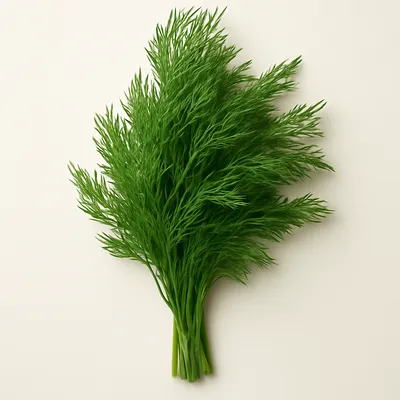



Mücver (from Ottoman Turkish 'mücmer', originally the name of a technique for frying small patties of chopped/grated produce, which narrowed over time to mean the fritter itself) is the iconic vegetable fritter of the Turkish Aegean coast — Izmir, Çeşme, Bodrum, and the surrounding farming hinterland where zucchini, herbs, and Aegean feta are summer staples. The dish appears in Aegean home kitchens daily during summer when zucchini are abundant; in winter the same technique is applied to other vegetables (carrot mücveri, potato mücveri). The Aegean version is distinguished by abundant fresh herbs (dill + mint + parsley + scallion) and the use of beyaz peynir (Turkish white sheep cheese, similar to feta). Restaurants serve mücver as a meze; at home it's eaten as a light dinner with salad and yogurt.
A hot mücver from the pan is golden-crisp on the outside, tender-fluffy inside, with visible green flecks of dill and mint throughout. First bite: salty feta bursts pocket against the green herbal lift, the zucchini gives gentle moisture without taking over, the eggs hold everything in a soft custard. Dip into cold cacık — the temperature contrast is dramatic. Eat 4-5 fritters with a beer or a glass of crisp Aegean rakı, watching the sea, in shorts and a T-shirt. This is Turkish summer cooking distilled into one bite.
Salting and squeezing the zucchini is essential — raw zucchini is 95% water; without removing it the batter is too wet, the fritters steam rather than fry, and the result is soggy. The egg-to-flour ratio (3 eggs : 80g flour) gives a delicate custard structure rather than a heavy pancake. Baking powder creates lift; without it, mücver is dense. Feta is the umami-and-salt anchor — without it, the dish tastes only of vegetables.
Variations
Aegean canonical with abundant herbs + Beyaz peynir; Bodrum version adds chopped tomato; modern restaurant versions sometimes use chickpea flour instead of all-purpose (gluten-free, slightly nuttier); a 'havuçlu mücver' uses grated carrot instead of zucchini; the Greek kolokithokeftedes is essentially the same dish under a Greek name; cold leftover mücver is breakfast in many Turkish homes.
On the Palate
Where Mücver sits in the Turkish flavor cloud
Salt and squeeze the zucchini hard before it ever hits the batter — raw zucchini is almost all water, and if you leave it in, the fritters steam soggy instead of frying crisp.
Ingredients
Serves 4





How it's made
6 steps · 25 min active + 10 min waiting
- 112 min
Grate 600g zucchini on the coarse side of a box grater (peel-on). Toss with 1 tsp salt in a colander; let drain 10 min over a bowl.
- 25 min
Squeeze the grated zucchini by hand in small batches to remove as much water as possible — you should get a tight ball about half the original volume. Discard the water (or save for soup).
Watch outAfter wringing, the zucchini should feel dry and compact — if juice still runs when you press, squeeze again.
- 35 min
In a large bowl, combine the drained zucchini + 4 chopped scallions (white + green parts) + 1/4 cup chopped fresh dill + 1/4 cup chopped fresh mint + 1/4 cup chopped flat-leaf parsley + 200g crumbled feta or beyaz peynir.
- 44 min
Add 3 large eggs (lightly beaten) + 80g all-purpose flour + 1 tsp baking powder + 1/2 tsp black pepper + a pinch of red pepper flakes (optional). Mix gently until just combined — do not overmix or the fritters become tough.
- 59 min
Heat 1cm vegetable oil + 1 tbsp olive oil in a wide skillet over medium heat (175°C). Drop heaping tablespoons of batter into the oil, flatten slightly with the back of the spoon to form 6-7cm discs. Fry 3 min per side until deeply golden and crispy. Drain on paper towels.
Watch outTest the oil with a drop of batter — it should sizzle steadily at 175℃; too cool and the fritters drink oil.
- 60 min
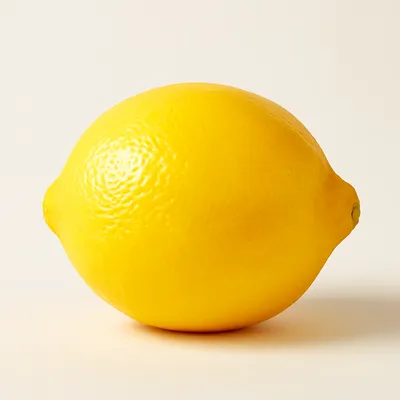
Serve hot, 3-4 mücver per person, on a warm plate with a wedge of lemon and a generous side bowl of cold cacık or thick plain yogurt with a clove of crushed garlic stirred in. Eat with your fingers, dipping each fritter.
Watch outFry until deeply golden and crisp on both sides; a pale fritter is still steaming and will go limp.
Archive tool suggestions — not reviewed
These legacy suggestions have not been evidence-reviewed and are not presented as required tools.