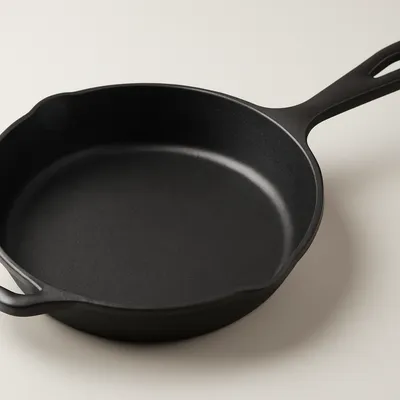
Anatolian village flatbread — thin hand-rolled dough folded around fillings (feta-and-spinach, ground lamb, or potato) and cooked on a saç (convex/domed iron griddle), brushed with butter and served warm — the food women cook outdoors at every Turkish village fair.



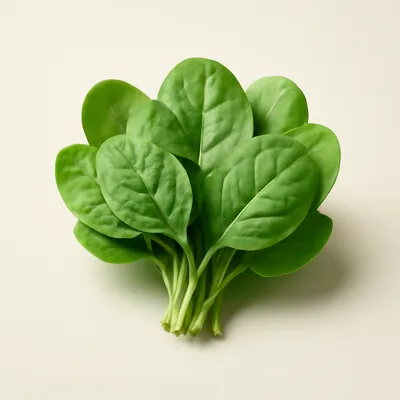
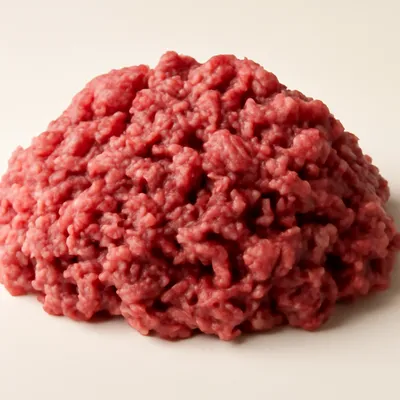
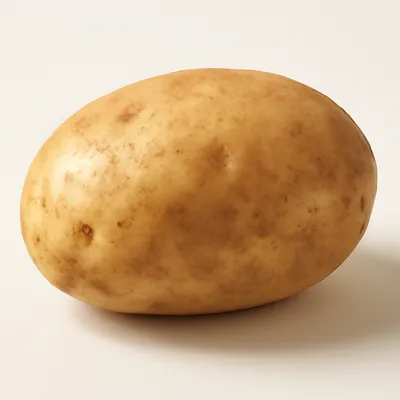
Gözleme — the etymology is debated: possibly from 'göz' (eye), for the dark eye-like spots that form on the dough during cooking, or from 'közleme' (to cook on embers, from 'köz', ember), the two being hard to disentangle because Ottoman Turkish did not distinguish k and g is the most iconic village-style food of Anatolia. The dish is traditionally cooked on a saç — a domed iron griddle heated over wood fire, common in Anatolian villages and tourist demonstrations alike. The dough is rolled paper-thin with a long thin rolling pin (oklava), filled with one of several traditional fillings, folded into rectangles, and griddle-cooked. At every Anatolian Sunday village market (pazar), there is at least one gözleme stand where elderly women in headscarves roll fresh gözleme to order while customers watch. In Istanbul restaurants, gözleme is positioned as 'authentic Anatolian experience' — a romantic version of village cooking.
A piece of gözleme is the size of a hand, hot, with crispy-blistered spots and soft chewy areas in between. The first bite into a peynirli ıspanaklı version: thin pastry shell cracks, then a rush of warm melted feta + cooked spinach + parsley + dill — the herbs are unexpectedly bright, the cheese unexpectedly rich. The buttery brush adds gloss and aroma. Cold ayran with this is non-negotiable; the acidic-salty yogurt drink balances the rich savory pastry. Eat on a stone bench in an Anatolian village on a Sunday afternoon and you understand why this dish refuses to die.
Paper-thin dough is essential — thick gözleme doesn't cook through properly and the filling-to-pastry ratio becomes unappetizing. The dough has no fat (or minimal oil) so it's a lean dough that becomes a crisp 'envelope' rather than a rich pastry. Cooking dry (no oil) on the griddle creates those signature blistered 'eye' spots — oil prevents this. The post-cooking butter brush is for flavor and visual appeal but doesn't affect texture. Saç is preferred because its slight dome shape promotes even airflow under the gözleme; flat griddles work but require more attention.
Variations
Anatolian classic three fillings (feta-spinach, lamb, potato) — village; Istanbul cafe versions add lemon and chili; Aegean variant uses lots of fresh dill; modern Istanbul fast-food serves smaller mini-gözleme (10cm) as snacks; vegetarian default (spinach-feta), but the lamb version is the most filling; commercial frozen gözleme exist but are sad shadows of village-made; a 'kuru gözleme' (dry gözleme) is made plain without filling, served with cheese and tea like a flatbread.
On the Palate
Where Gözleme sits in the Turkish flavor cloud
Ingredients
Serves 4





How it's made
8 steps · 1 hour active + 30 min waiting
- 142 min
Make dough: in a large bowl, combine 500g all-purpose flour + 1 tsp salt + 250ml warm water + 2 tbsp olive oil. Mix; knead 10 min on a floured surface until smooth and elastic. Cover; rest 30 min.
- 28 min
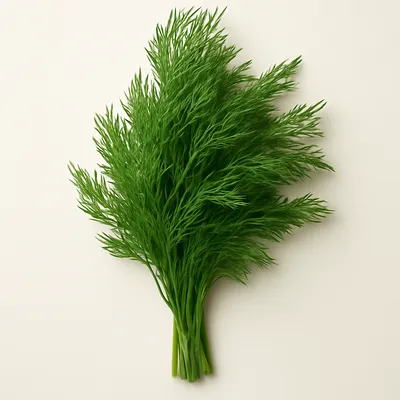
Make filling option 1 (peynirli ıspanaklı — feta-spinach, most common): blanch 300g spinach 30 sec; squeeze dry; chop. Mix with 200g crumbled feta + 1/4 cup chopped parsley + 1/4 cup chopped dill + 1/4 tsp black pepper.
- 39 min
Or filling option 2 (kıymalı — ground lamb): brown 400g ground lamb in 1 tbsp oil + 1 chopped onion + 1 tsp tomato paste + 1/2 tsp cumin + 1/2 tsp salt + 1/4 tsp black pepper, 8 min. Cool.
- 410 min
Or filling option 3 (patatesli — potato): boil 400g potatoes; mash with 50g butter + 1 tsp salt + 1/2 tsp black pepper + 2 chopped scallions.
- 510 min
Divide dough into 4 balls (each ~190g). Roll each ball into a thin oval ~40cm long, 25cm wide (paper-thin, almost translucent). This is the hardest part — Turkish village women have decades of practice; for home cooks, 2-3mm thick is acceptable.
Watch outRoll the dough almost see-through thin — thick gözleme won't cook through and the pastry-to-filling ratio goes stodgy.
- 64 min
Place about 3-4 tbsp filling on one half of the rolled dough, spread to leave a 2cm border. Fold the empty half over the filling. Fold the long edges in to seal completely — should be a rectangle about 25x20cm.
- 75 min
Heat a wide flat griddle, large cast-iron pan, or non-stick pan over medium-high heat for 5 min (do not oil yet). Place the gözleme on the dry griddle; cook 2 min per side, pressing down occasionally to ensure full contact. The dough should blister with eye-like spots and turn golden-brown.
Watch outGriddle it bone-dry, no oil — that's what raises the blistered eye-spots; a slick of oil and you get pale, smooth skin instead.
- 82 min
Brush the cooked gözleme generously with melted butter on both sides. Cut into 4 strips and serve immediately, hot, with cold ayran or strong Turkish tea.
Archive tool suggestions — not reviewed
These legacy suggestions have not been evidence-reviewed and are not presented as required tools.