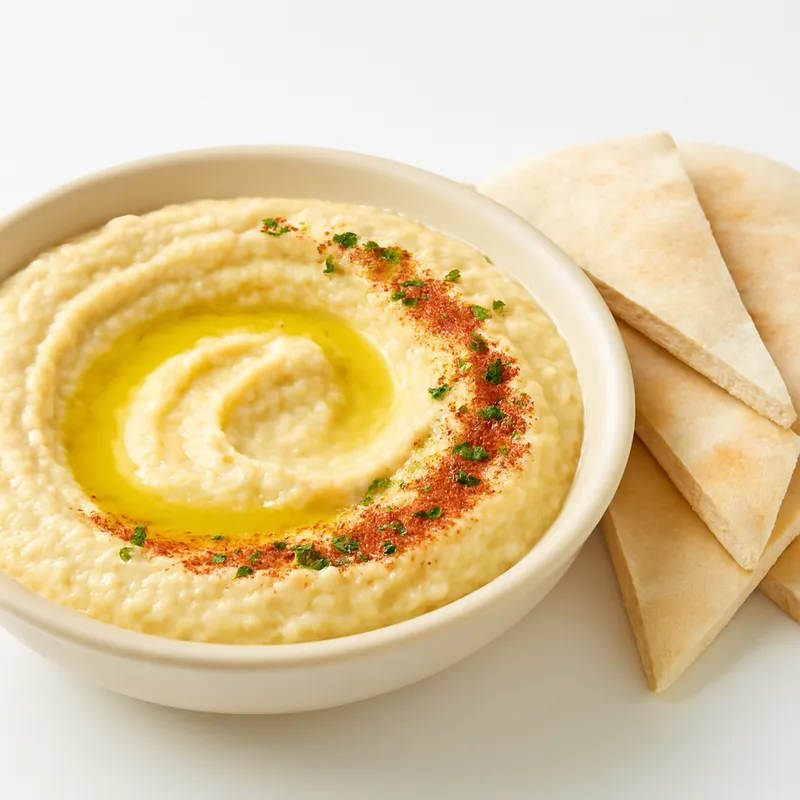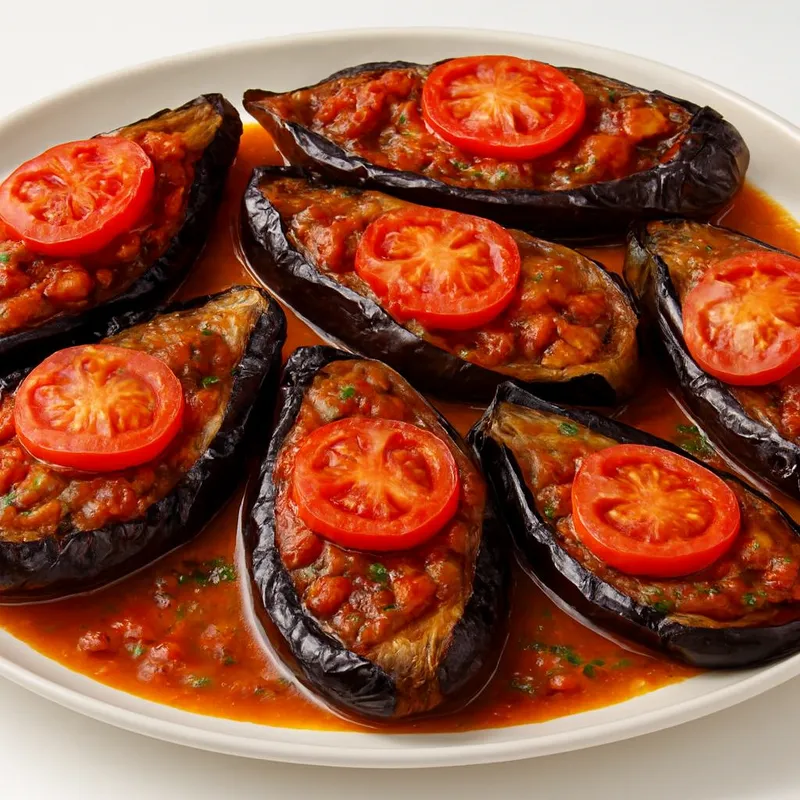



Patlıcan salatası (literally 'eggplant salad' but more accurately a smoky mash/dip) is a cornerstone Turkish meze. The technique of charring eggplant directly over an open flame to develop deep smoky aromatics is shared across the eastern Mediterranean — Greek melitzanosalata, Arabic baba ganoush, Levantine mutabbal — but the Turkish version is distinguished by being firmer (less tahini, sometimes no tahini at all in the Aegean version) and by the use of fresh garlic and lemon as the dominant seasoning. The Aegean coastal version often skips tahini entirely; Anatolian and southeastern versions use generous tahini. Either way, the smoky flavor from charring is the dish's defining character — without it, the eggplant tastes flat.
First the smell hits — the deep, unmistakable charred-eggplant smoke that no other technique can replicate (oven-roasted eggplant is never the same). On a scoop of bread, the dip is creamy-soft, smoky-cool, tangy-garlicky, with the slight bitterness of charred skin (the trace black flecks) bringing balance. The tahini (if used) adds sesame richness and nuttiness. Eat slowly — patlıcan salatası is one of those dishes whose flavor changes as you eat it, growing smokier in your memory with each bite.
Direct-flame charring at 500°C+ creates two important compounds: (1) caramelized eggplant sugars that develop sweet-burnt notes; (2) volatile pyrazines and furans that humans perceive as 'smoky.' Oven-roasting at 200°C never produces these compounds in sufficient quantity. Allowing the bitter water to drip out via colander is essential — eggplant flesh contains glycoalkaloid (solasonine/solamargine) bitterness, along with excess moisture, that pools in the juice; mashing it back in ruins the dish. Lemon's citric acid prevents the mash from oxidizing brown over the next hour.
Variations
Aegean canonical with tahini + lemon + garlic (close to mutabbal); Anatolian inland version uses yogurt instead of tahini (different, creamier); Adana southeast version adds pomegranate molasses and chili flakes; Greek melitzanosalata is essentially identical to Aegean Turkish patlıcan salatası but with red wine vinegar instead of lemon; commercial supermarket versions are universally disappointing — the dish requires fresh charring.
On the Palate
Where Patlıcan Salatası sits in the Turkish flavor cloud
Ingredients
Serves 4

How it's made
6 steps · 25 min active + 25 min waiting
- 12 min
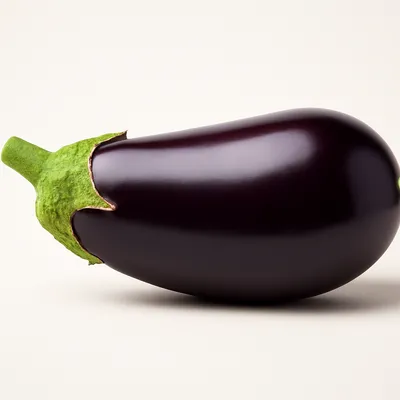
Choose 4 medium-large globe or Italian eggplants (about 1.2kg total). Pierce each skin in 4-5 places with a fork.
- 217 min
Char directly over a gas flame: place each eggplant on the burner ring of a gas stovetop (or on a hot grill). Cook 4-5 min per side, turning with tongs, until the skin is completely blackened-and-cracking and the flesh inside is fully soft (test by piercing — should offer no resistance). Total 15-20 min. The kitchen will fill with smoke; this is correct.
Watch outChar the eggplant right over the flame until the skin is blackened all over and the flesh gives with no resistance — a smoke-filled kitchen means you're doing it right.
- 315 min
Transfer charred eggplants to a colander set over a bowl. Let cool 15 min. The juice that drips out is bitter — discard it.
Watch outLet the charred flesh drain in a colander and throw the drips away — that dark liquid is the bitter part, and mashing it back in wrecks the flavor.
- 44 min
Peel off all the charred skin (don't worry if a few small black flecks remain — they add flavor). Place flesh on a cutting board. Chop coarsely with a knife (don't use a food processor — it makes the dish too smooth).
Watch outChop the flesh by hand into a rough, chunky mash — run it through a machine and it turns to slick baby-food, losing all its texture.
- 56 min
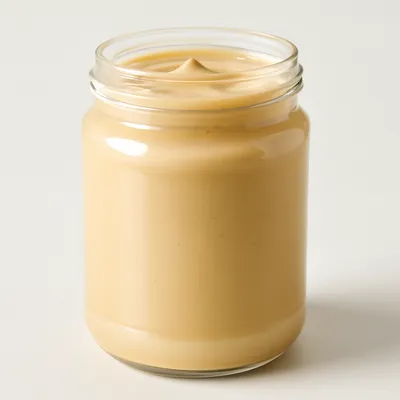
Transfer to a bowl. Add 3 tbsp tahini (Aegean style — omit if you prefer thinner version) + 1 minced garlic clove + juice of 1 large lemon + 1/2 tsp salt + 2 tbsp extra-virgin olive oil. Mash with a fork until well-combined but still chunky.
- 66 min
Taste; adjust salt and lemon. Transfer to a wide shallow bowl. Drizzle with 1 more tbsp olive oil, sprinkle with chopped parsley, and add a sprinkle of paprika or aleppo pepper for color. Serve cold with warm pita bread or crusty bread.
Archive tool suggestions — not reviewed
These legacy suggestions have not been evidence-reviewed and are not presented as required tools.