
Levantine, with claims from Lebanon, Israel, Palestine, Syria, and Greece — the dispute is so heated that Lebanon and Israel have actually competed for Guinness World Records on largest-hummus-bowl. The earliest written hummus recipe is from 13th-century Cairo. Modern Levantine hummus emerged in late-Ottoman Beirut and Damascus. It's now the unofficial regional flag of cuisine, eaten everywhere from breakfast tables to political negotiations.
The argument starts with whose grandmother. Lebanese, Palestinian, Israeli, Egyptian — each has the right answer. The skin-removal step is the real divider.
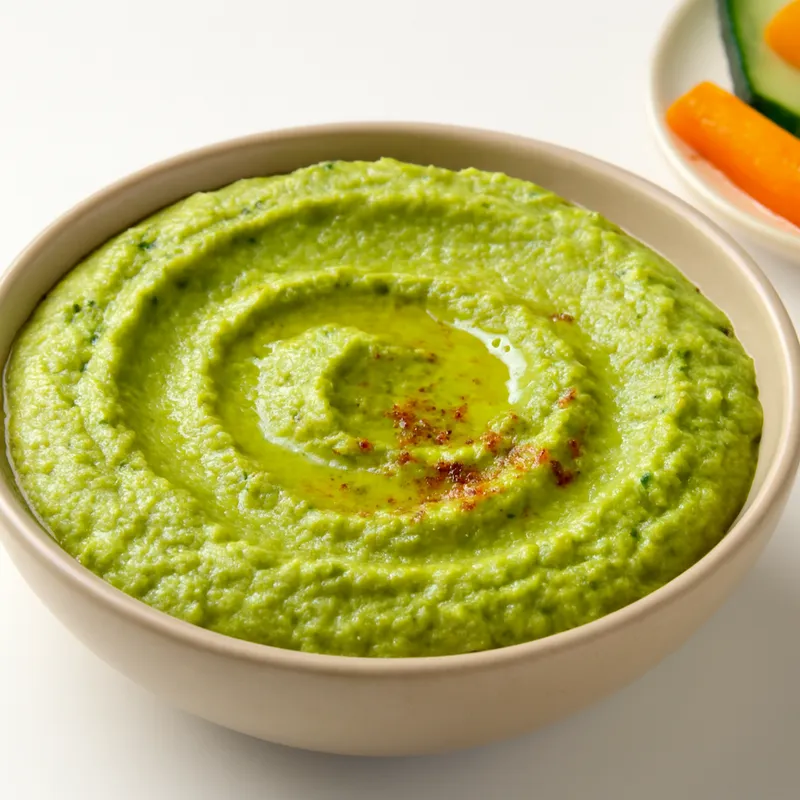
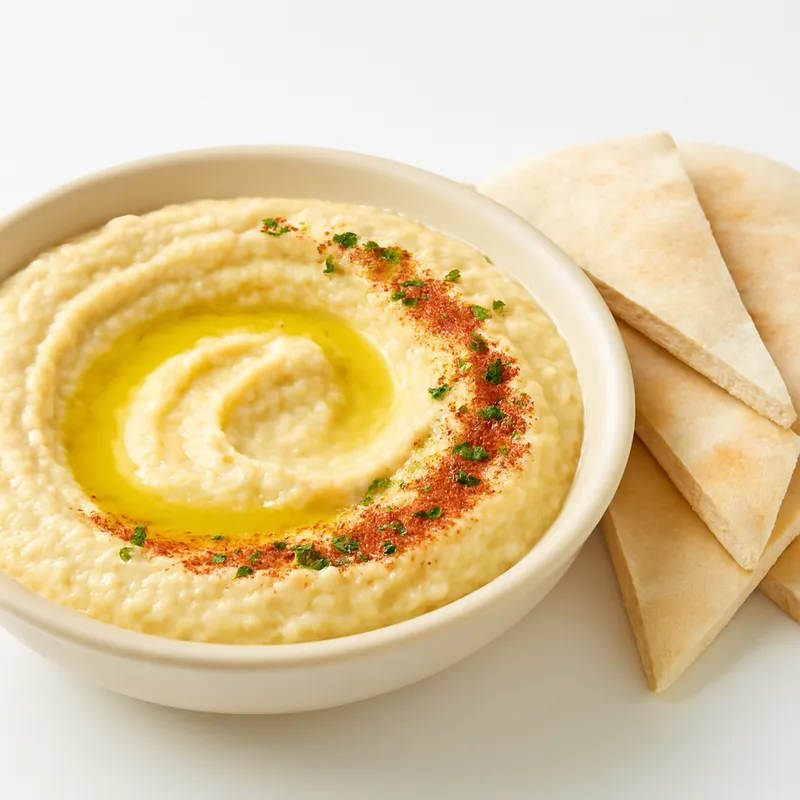
A shallow bowl, paste swirled in the middle with a pool of olive oil in the swirl, paprika and parsley around the rim. The texture separates good from great: silky, not pasty; airy, not dense. A whole chickpea or two left as garnish. Eat warm or room-temperature with torn pita or raw vegetables. Cold from the fridge is wrong.
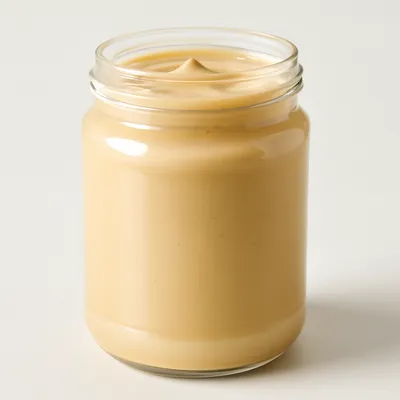
Texture comes from two unobvious moves: peel the chickpeas (or use baking soda to break down the skins during cooking), and use ice water in the food processor instead of room temp. Both reduce the fibrous "chalkiness" pre-mixed hummus is famous for. Tahini quality matters — Lebanese or Palestinian tahini (single-origin sesame, stone-ground) gives a smoother, sweeter result than American supermarket tahini. Garlic should be raw and barely-there, not roasted.
Variations
Hummus bil tahini (the "neat" version), hummus masabacha (whole chickpeas on top), hummus kawarma (with spiced lamb), hummus fattah (with toasted bread underneath).
On the Palate
Where Hummus sits in the Lebanese flavor cloud
Chase a silky, chalk-free texture: peel the chickpeas (or cook them with a little baking soda so the skins slip off) and blend with ice-cold water, not warm — the skins and warmth are exactly what make supermarket hummus gritty.
Ingredients


How it's made
4 steps · 15 min
- 15 min
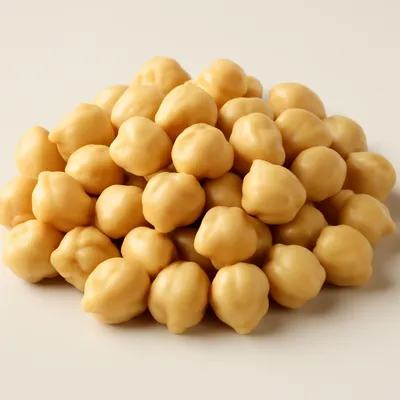
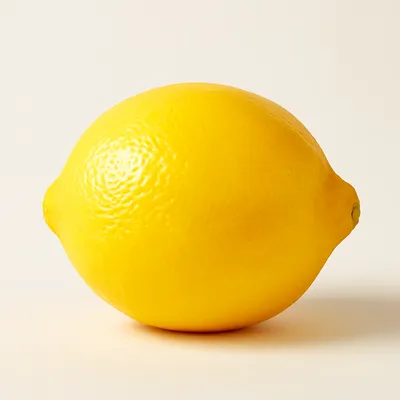
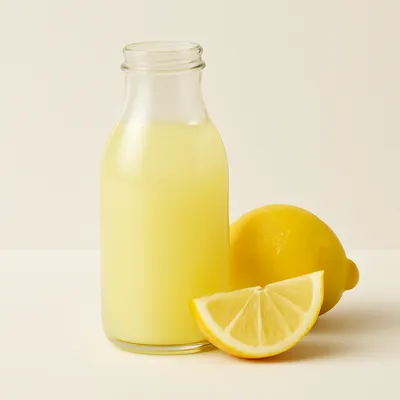
In a food processor, combine cooked chickpeas, tahini, lemon juice, and minced garlic. Blend until smooth, scraping down the sides as necessary. The mixture should be creamy and thick.
Watch outBlend well past 'combined' — you want it genuinely creamy and pale, not a coarse mash; scrape the sides and keep going.
- 23 min
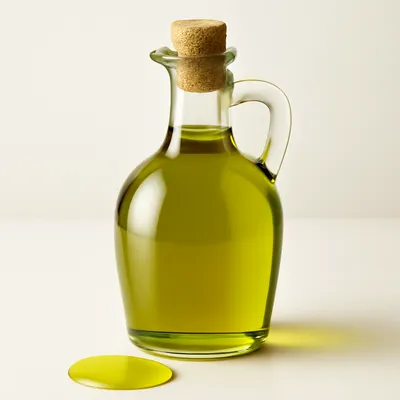
With the processor running, slowly drizzle in olive oil until the hummus reaches your desired consistency. It should look silky and smooth.
Watch outAdd oil in a slow thin stream, not a glug, so it emulsifies — the purée should turn glossy and pale as it takes the oil.
- 32 min
Taste and adjust seasoning with salt and cumin. Blend again briefly to incorporate the spices evenly.
Watch outStart with a small amount of salt and cumin, as you can always add more.
- 45 min
Transfer the hummus to a serving dish, smoothing the top with the back of a spoon. Drizzle with olive oil and garnish with a few whole chickpeas, parsley, and a sprinkle of paprika for color and flavor.
Watch outSwipe the back of a spoon through the surface to raise a shallow well, then pool the olive oil in it so it doesn't run off flat.
Archive tool suggestions — not reviewed
These legacy suggestions have not been evidence-reviewed and are not presented as required tools.