
Fine and white, baking soda is a powerful leavening agent that releases carbon dioxide, producing a light, fluffy texture in baked goods. Its slightly alkaline nature also balances acidity, enhancing flavors.
Where it comes from
Baking soda was discovered in ancient Egyptian tombs, but it became widely used in baking during the 19th century, revolutionizing the way cakes and breads were made.
In the kitchen
Utilized in baking to leaven doughs and batters, baking soda reacts with acidic ingredients to create a desirable rise and texture in cakes, cookies, and breads.
Nutrition (per 100g)
0kcalCal
0.0gProtein
0.0gFat
0.0gCarbs
0.0gFiber
Values are AI-estimated, not from a laboratory database
Pairs well with
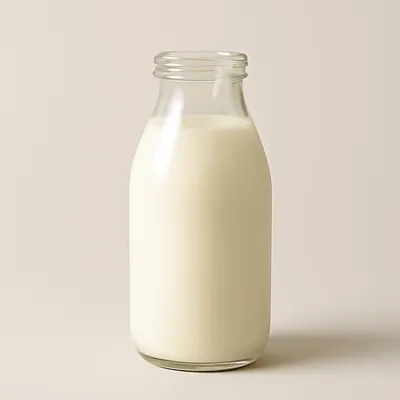
Buttermilk
The acid in buttermilk activates baking soda, creating bubbles for a tender crumb. Mix quickly; let it sit, and you'll lose the lift.
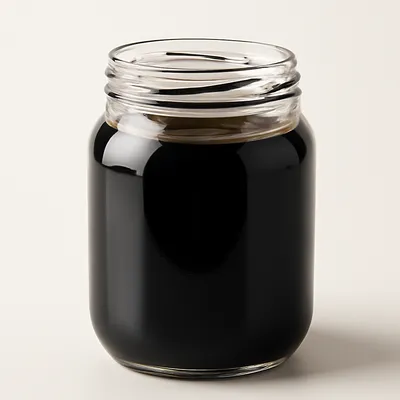
Molasses
Molasses' acidity kicks off the reaction with baking soda, lifting gingerbread to a fluffy height. Stir in gently, don't overmix.
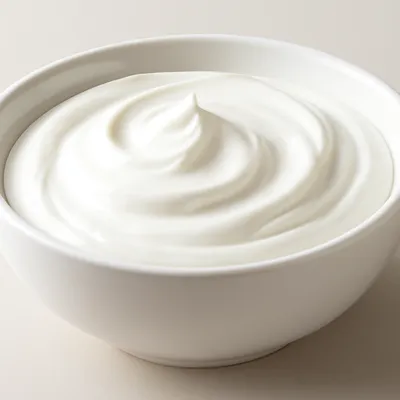
Yogurt
Yogurt's tangy acid wakes up baking soda, giving pancakes a light, airy texture. Combine just before cooking for best rise.

