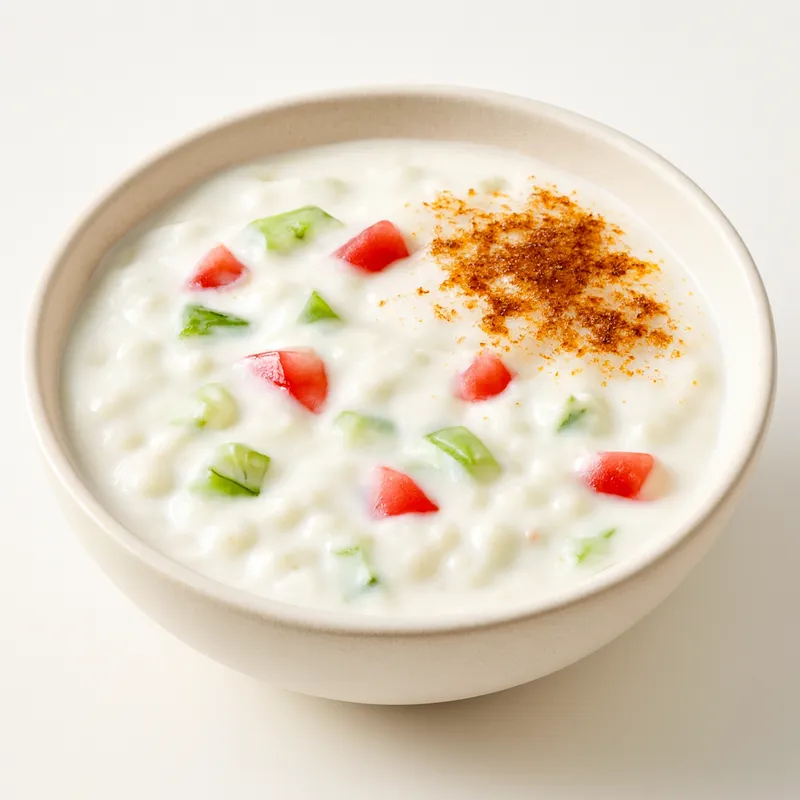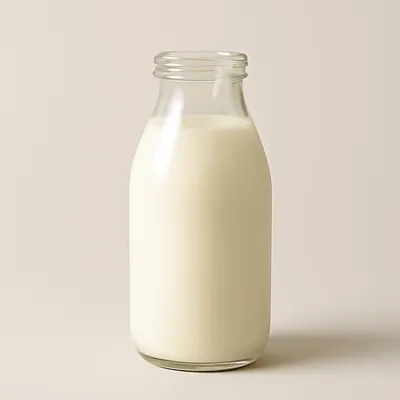
Tangy and creamy, buttermilk offers a refreshing acidity that enlivens dishes; its velvety texture enhances both sweet and savory preparations. The aroma hints at richness yet remains light.
Where it comes from
Buttermilk originated as the liquid left after churning butter, and it has been a staple in Southern cooking and Indian cuisine for centuries, often used in traditional recipes.
In the kitchen
Buttermilk adds moisture, tenderness, and a subtle tang to baked goods, while also acting as a marinade for meats, tenderizing and infusing flavor.
Nutrition (per 100g)
40kcalCal
3.3gProtein
1.0gFat
4.8gCarbs
0.0gFiber
Values are AI-estimated, not from a laboratory database
Pairs well with

cornmeal
Mix with cornmeal for a tangy, tender cornbread. The acidity helps tenderize, while the flavor sings in the oven.

Baking soda
The acid in buttermilk activates baking soda, creating bubbles for a tender crumb. Mix quickly; let it sit, and you'll lose the lift.
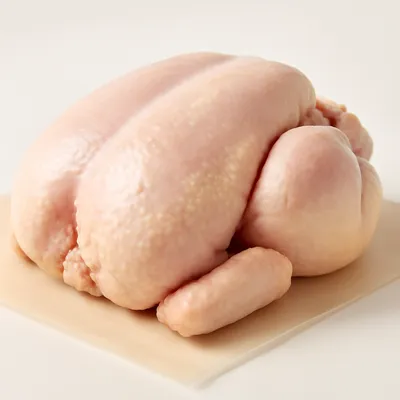
Chicken
Marinate chicken overnight in buttermilk. It tenderizes and infuses a subtle tang. Fry or bake for juicy results.

Flour
Buttermilk and flour create a tender crumb in pancakes and biscuits. Mix until just combined for best texture.

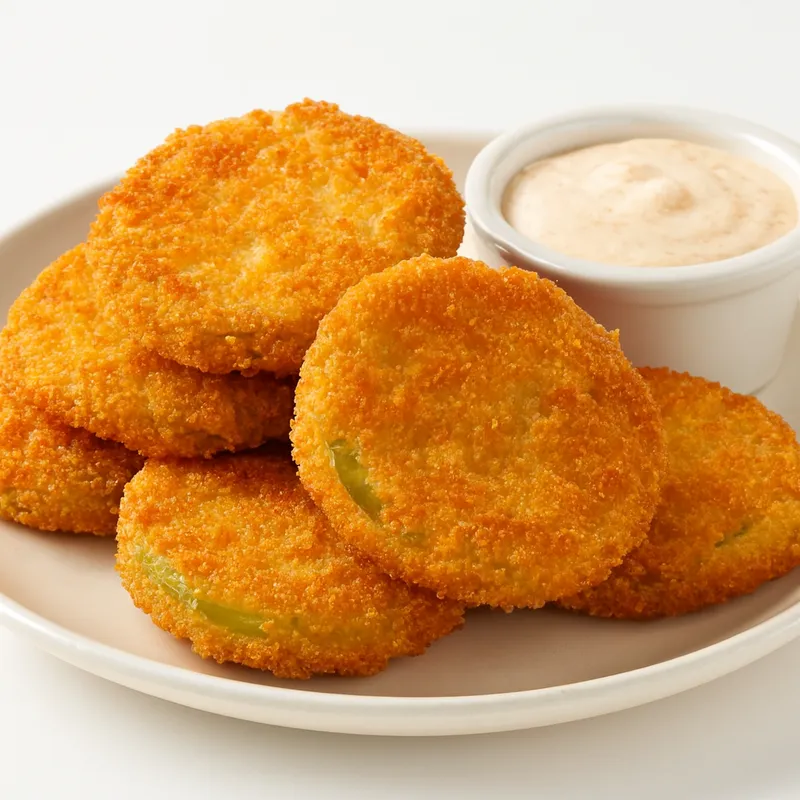
green tomatoes
Marinate in buttermilk before frying. The tangy soak tenderizes, adding a creamy note to the sharpness.

Rye Flour
Combine in dough. Buttermilk's tang softens rye's density, lending a tender crumb and subtle tang.