The crisp, cool friend on a hot day, always refreshing and never overwhelming.
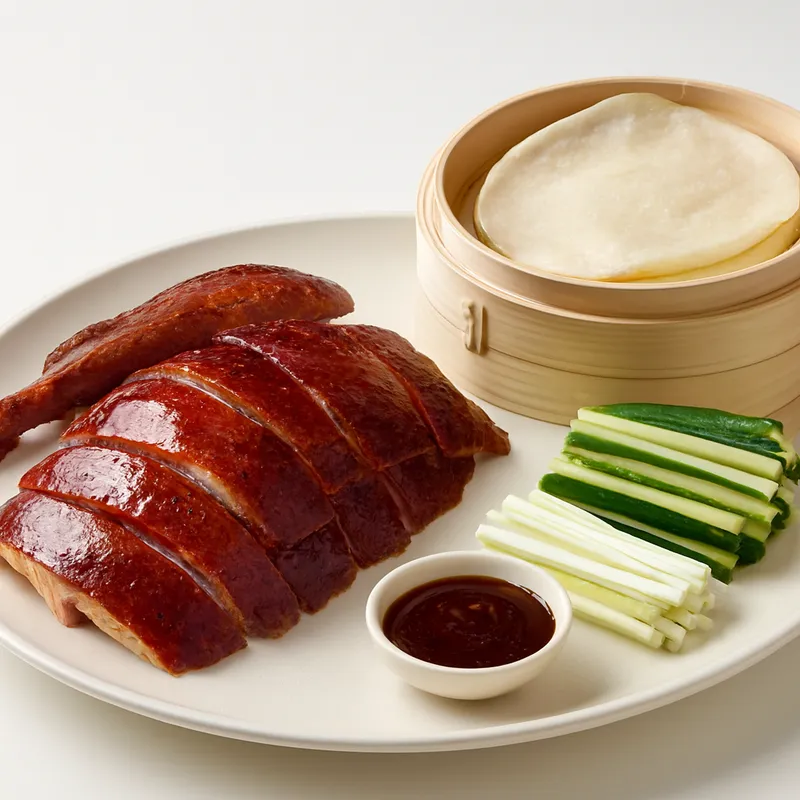
Crisp and refreshing, cucumber offers a cool burst of hydration with its subtly sweet, grassy notes. This gourd is a staple in salads and pickles, bringing a light crunch that balances richer dishes.
Where it comes from
A staple in Mediterranean and Asian cuisines, cucumbers trace their roots back to ancient India over 3,000 years ago, where they were cultivated for their hydrating properties.
In the kitchen
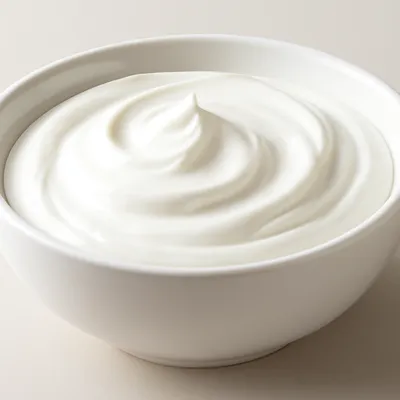
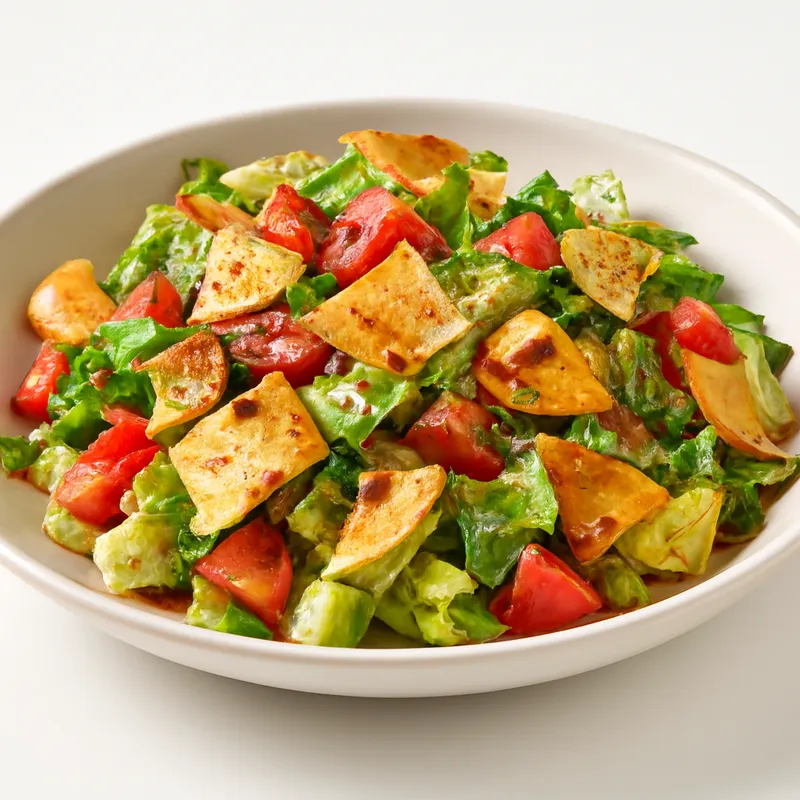
Used raw in salads and sandwiches, cucumbers also shine when pickled or blended into refreshing sauces like tzatziki, adding a vibrant crunch and cooling effect.
Across cuisines
In Malaysian cuisine, cucumber is often used as a fresh garnish to balance rich and spicy flavors. Sliced cucumber is a standard accompaniment to dishes like Nasi Lemak, providing a cooling contrast to sambal and coconut rice. It is also commonly served with Malaysian Satay, where it helps cleanse the palate between bites of grilled meat.
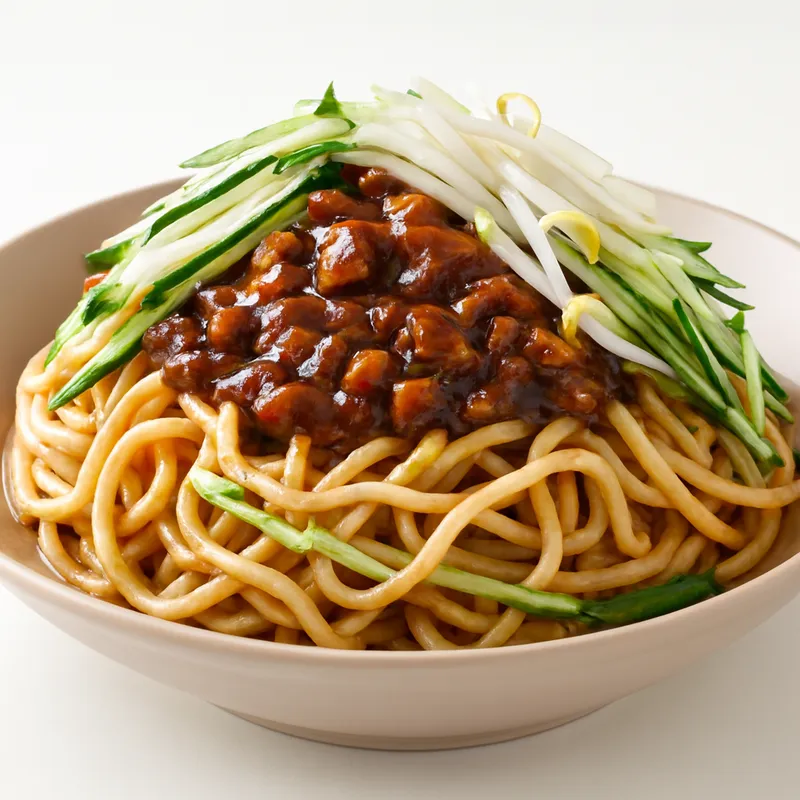
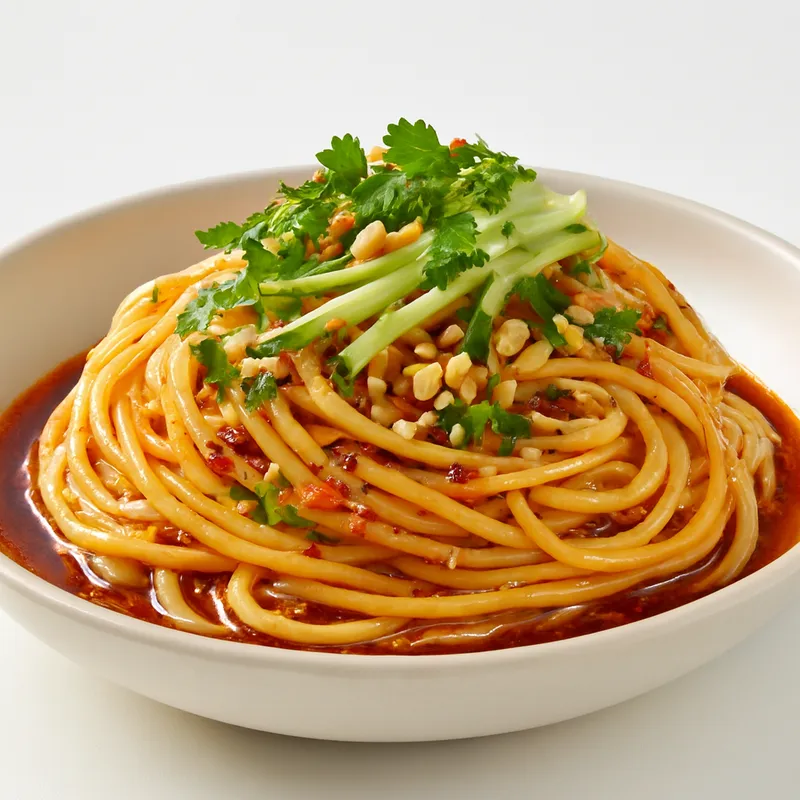
In Chinese cuisine, cucumber is frequently used in cold dishes and salads. It is often sliced thinly and mixed with garlic, vinegar, and sesame oil to create refreshing dishes like Sichuan Cold Noodles and Cloud Ear Fungus Salad. The crunchy texture and mild flavor of cucumber make it a popular choice for these chilled preparations.
Cucumber is the green base of two iconic Bulgarian dishes — diced into shopska salata for the green corner of the flag, and grated into the cold yogurt-walnut tarator soup. The local long Balkan cucumber has thinner skin and fewer seeds than the supermarket version; salting and draining are not needed.
Nutrition (per 100g)
FoodB-derived; record mapping unavailable.
Pairs well with