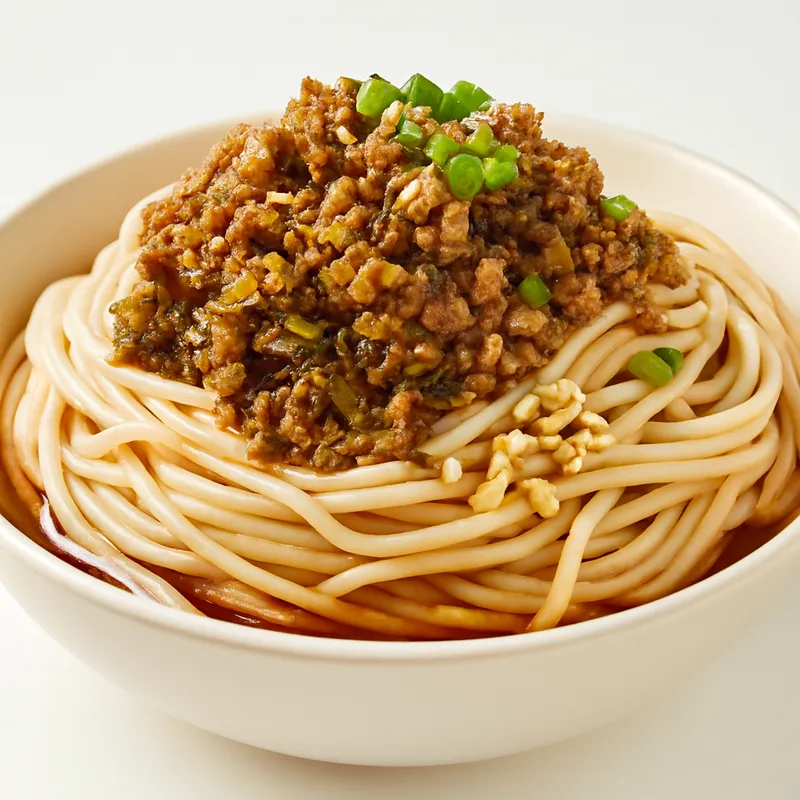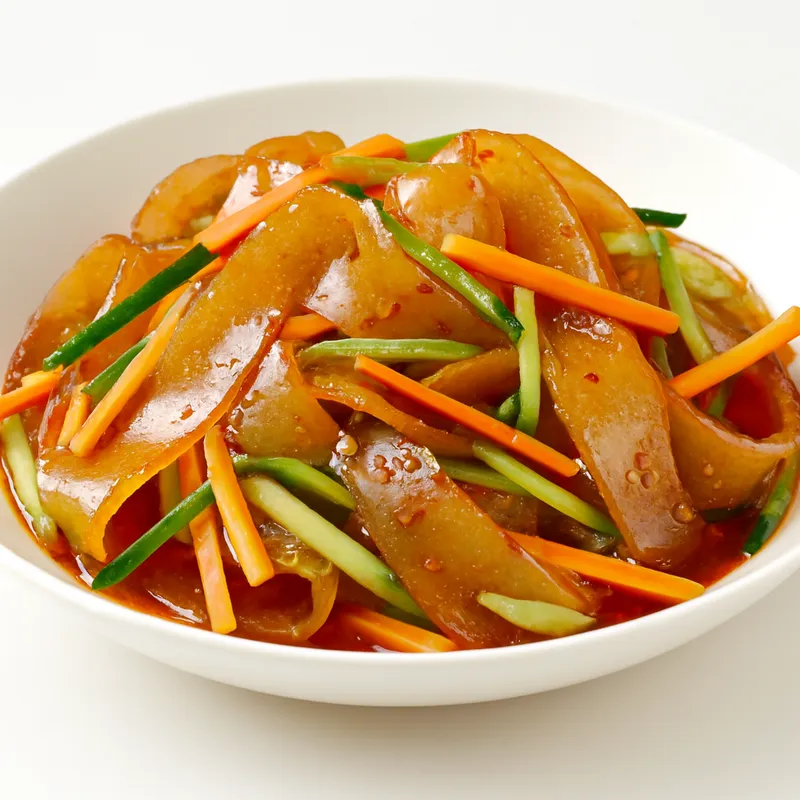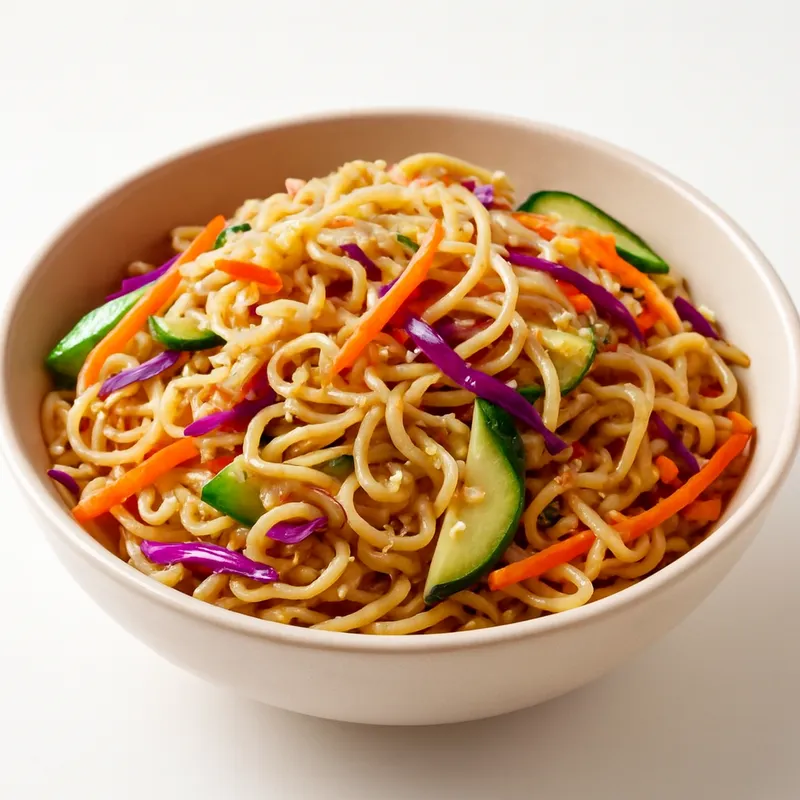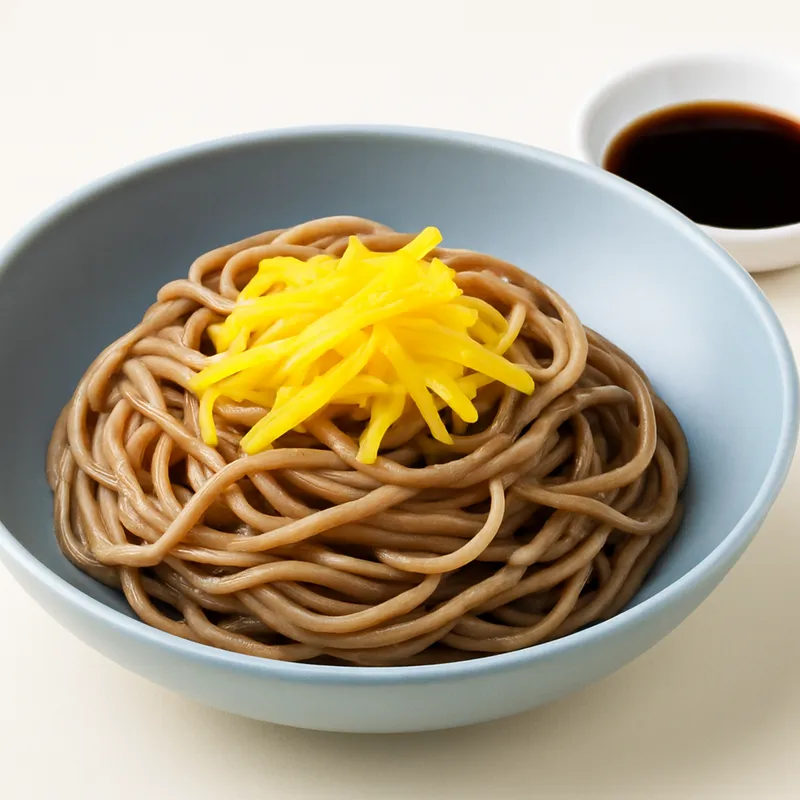
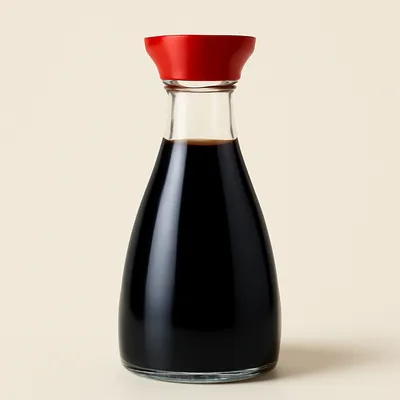



Chengdu 凉面 (liang mian) consolidated in the late Qing/early Republican era (late 19th–early 20th century) as a market street snack, drawing on a longer northern Chinese cold-noodle tradition but adapting it to Sichuan's chili-and-peppercorn pantry. The chicken-shred version 鸡丝凉面 became the canonical fancy form. Unlike Korean naengmyeon, it's not iced — just room-temperature on a hot day.
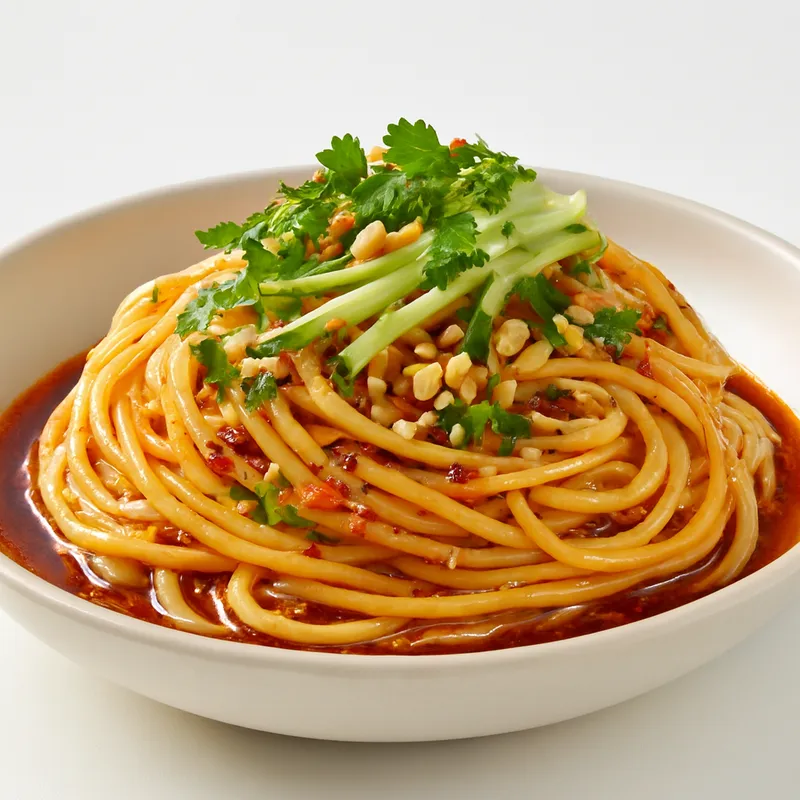
Liang mian — alkaline noodles fanned cool with oil, dressed with red chili oil, vinegar, garlic water, and a touch of sugar. The garlic must be raw and pounded; the vinegar is Baoning, not balsamic.
Springy yellow alkaline wheat noodles, cold from the fridge, tossed at the table in a ruddy dressing of red chili oil, sweet-cooked soy sauce, garlic water, black vinegar, and ground roasted Sichuan pepper. Topped with shredded chicken or just bean sprouts and chopped scallion. The first bite is sweet-sour, the second is the pepper buzz, the third is the chili. Summer street food — sold from carts in Chengdu when it's too hot to eat anything warm.
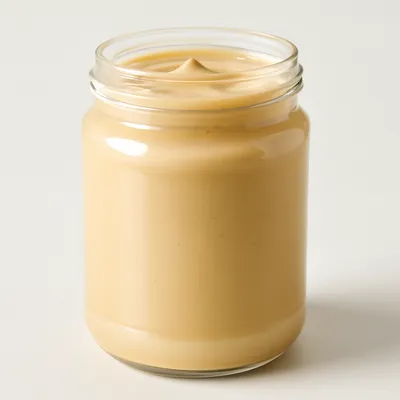
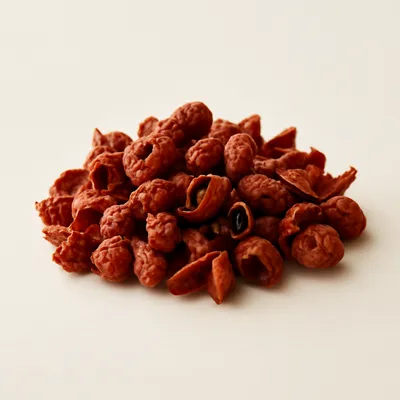
Noodle treatment is the technique: cooked al dente, drained, tossed with a thin film of oil while still warm, and fanned cool — the oil and the airflow stop them from clumping or going soggy. The sesame paste is loosened with sesame oil and a bit of cold tea before mixing with chili oil; if mixed straight, it seizes and sits in clumps. Sichuan pepper goes in as freshly toasted and ground powder, not pre-ground — pre-ground is dead.
Variations
Chengdu version sweeter and heavier on sesame paste; Yibin ran mian is technically dry-tossed and adds suimi yacai; chicken-shred liang mian (ji si liang mian) is the canonical summer plate; vegan with peanut crumb is common in temples.
On the Palate
Where Sichuan Cold Noodles sits in the Chinese flavor cloud
Handle the noodles right: cook them just al dente, then toss with a film of oil and fan them cool so they stay separate and springy instead of collapsing into a sticky clump.
Ingredients

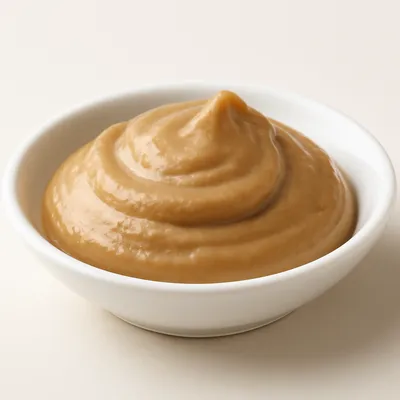


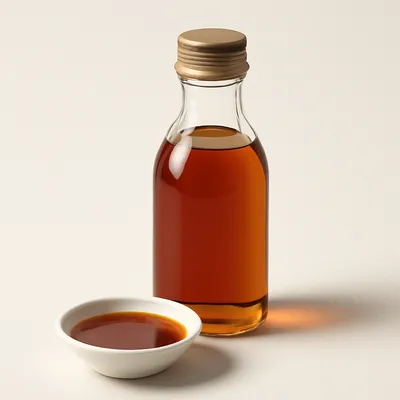

How it's made
4 steps · 11 min
- 14 min
Cook the noodles in a large pot of boiling water until just tender, about 4 minutes. They should be al dente, with a slight bite.
Watch outBite a strand — it should have a firm springy core, not go limp. Drain the instant it hits al dente.
- 23 min
In a bowl, whisk together tahini, soy sauce, sugar, minced garlic, and chili oil until smooth. The sauce should be creamy with a balanced sweet, salty, and spicy flavor.
Watch outThe sauce should pour in a smooth ribbon and glisten; if it clumps or drags, it hasn't been loosened enough.
- 32 min
Toss the cold noodles with the sauce, ensuring each strand is coated. The noodles should glisten with the sauce, absorbing its rich flavors.
- 42 min
Top with thinly sliced cucumber and other vegetables for a fresh, crunchy contrast. Sprinkle with Sichuan pepper for a numbing finish.
Watch outGrind the toasted peppercorns right before scattering — you should smell the citrusy numbing aroma the moment it lands.
Archive tool suggestions — not reviewed
These legacy suggestions have not been evidence-reviewed and are not presented as required tools.