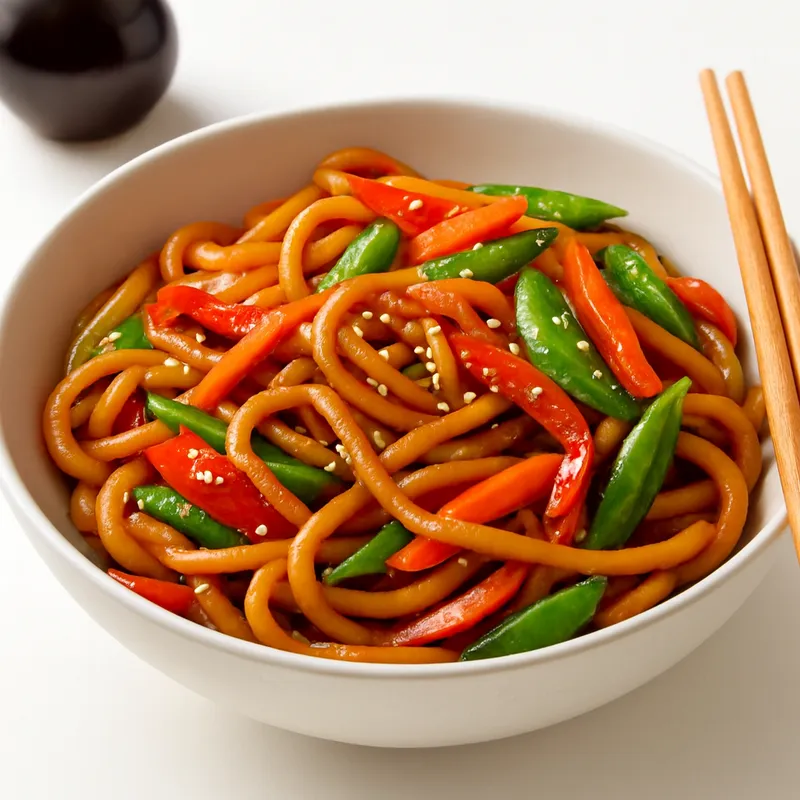
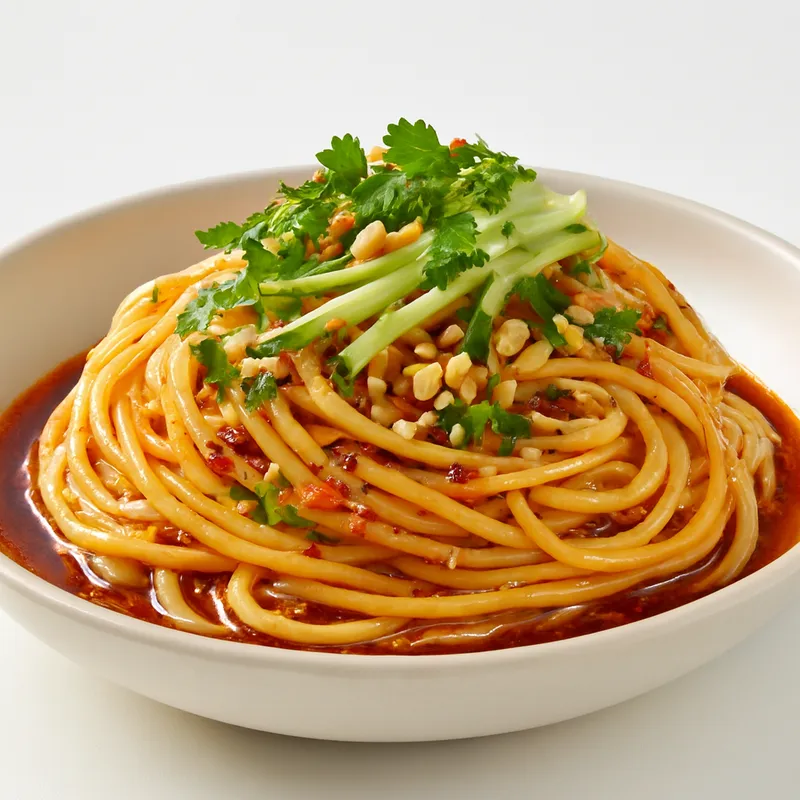
This hearty stir-fry features thick udon noodles tossed with a colorful mix of vegetables and tofu, glazed with a savory soy-mirin or Worcestershire-leaning sauce.

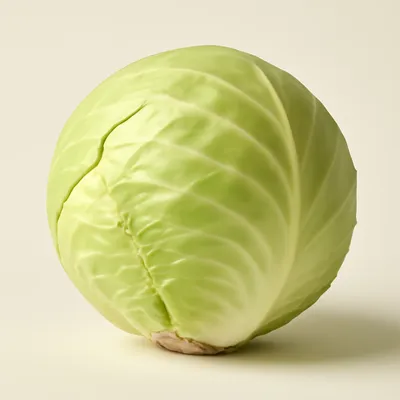

Yaki-udon emerged in Kitakyushu around 1945 — the city was rebuilding post-war and the Chinese wheat noodles used for yakisoba were hard to get, so cooks at Daruma-do substituted dried udon for what would have been a yakisoba. Osaka's version leans heavier on cabbage and the kona-mon (flour-food) seasoning logic shared with okonomiyaki and takoyaki: Worcestershire-leaning sauce, aonori, bonito flakes — sweet-savory rather than the lighter Tokyo soy treatment.
Yaki-udon came out of Kitakyushu around 1945 — soba supply was cut post-war, so cooks subbed udon into what would have been a yakisoba. Osaka's version leans cabbage-heavy with the kona-mon Worcestershire-bonito-aonori line shared with okonomiyaki.
Thick chewy udon, slick with a dark soy-mirin glaze, tossed with cabbage, carrot, onion, and tofu cubes. The noodles are squeaky-firm, almost rubbery in a good way — that bite is the whole point. Aonori or bonito flakes go on top in Osaka style. If the noodles feel mushy, they were boiled and sat too long; udon stir-fry needs noodles that were just-cooked or par-cooked and shocked.
Frozen udon outperforms fresh in stir-fry. Industrial flash-freezing locks the gluten network at peak hydration; the noodle thaws straight into the pan and keeps its bounce. Fresh udon left in the fridge loses moisture and turns gummy when re-heated. Pros run the wok hot and dry — too much sauce at once steams the noodles and kills the chew.
Variations
Kokura yaki-udon (Kitakyushu, the post-war original at Daruma-do); Osaka kona-mon-style with aonori and katsuobushi; Tsukimi yaki-udon adds a runny yolk; curry-yaki-udon swaps the sauce for Japanese curry roux.
On the Palate
Where Vegetable Udon Noodle Stir Fry sits in the Japanese flavor cloud
Keep the pan screaming hot and dry and add the sauce only at the very end — too much liquid too early steams the udon and kills the springy chew that makes yaki-udon worth eating.
Ingredients






How it's made
4 steps · 22 min
- 110 min
Bring a pot of water to a boil and cook the udon noodles according to package instructions until they are just tender. Drain and set aside, allowing them to cool slightly.
Watch outAvoid overcooking the udon noodles; they should be al dente to prevent them from becoming mushy during stir-frying.
- 25 min
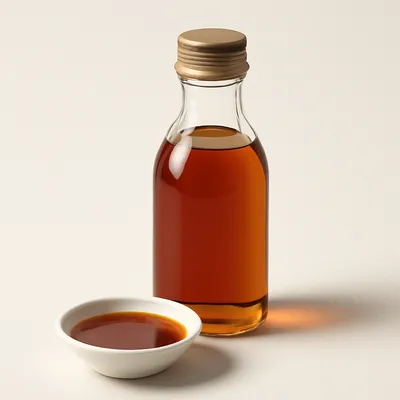
In a large pan, heat sesame oil over medium-high heat until shimmering. Add the tofu puffs and stir-fry until they are golden brown and slightly crispy on the outside.
Watch outFry the tofu puffs until the surface is golden and their edges just crisp; they should sizzle steadily, not sit and soak up oil.
- 34 min
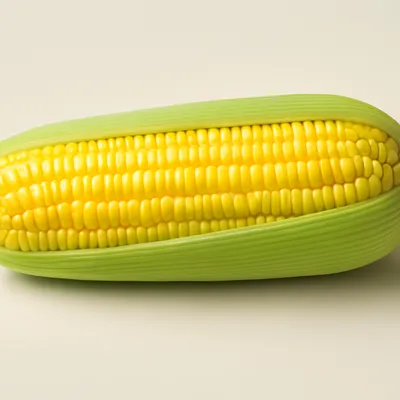
Add the sweetcorn and mixed vegetables to the pan. Stir-fry briskly until the vegetables are vibrant and just tender, about 3-4 minutes.
Watch outPull the vegetables while still bright and snappy — 3-4 minutes tops; limp veg means the pan went cold.
- 43 min
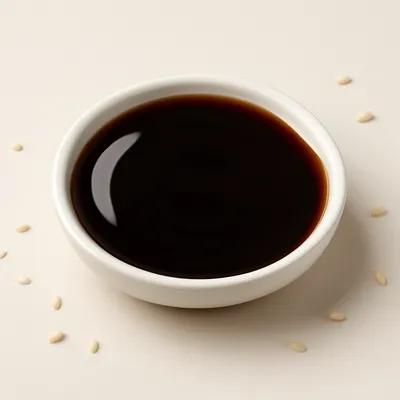
Pour in the teriyaki sauce and soy sauce, tossing everything together to ensure even coating. Add the cooked udon noodles and continue to stir-fry until everything is well combined and heated through.
Watch outToss hard once the sauce hits so it coats and reduces onto the noodles; the noodles should look glossy and stay separate, not clump.