In Practice
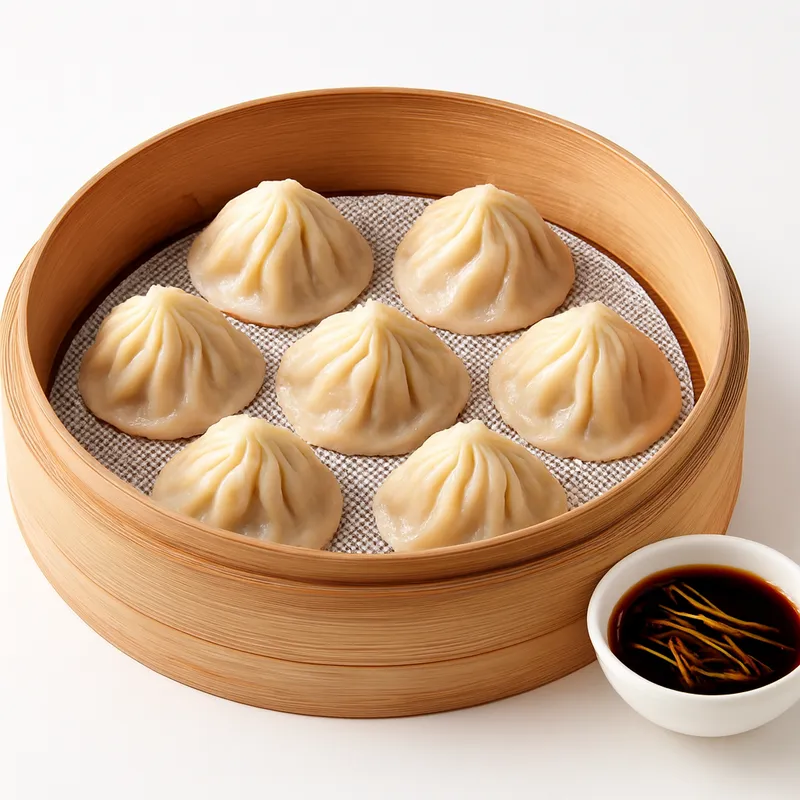
Bamboo or metal steamer over rolling water; food never touches liquid. Lid lined with cloth to prevent condensation drip (a cantonese xiaolongbao spoiler). Layer thinly — stacked food traps steam unevenly. Fish fillets 6-8 min, dumplings 8-10, custards 12-15 at gentler 90°C with vented lid. Failure modes: water boiling away unnoticed (always overfill); pot lid too tight raises pressure unintentionally; overcrowded basket leaves middle cold.
Background
Steaming is a universal technique with distinct cultural expressions. In China, bamboo steamers are used to prepare dim sum like xiaolongbao, emphasizing delicate textures. In Japan, chawanmushi is a savory egg custard steamed in ceramic cups, highlighting umami. Vietnamese cuisine features bánh bao, steamed buns filled with pork, showcasing a blend of flavors. In Persian cooking, steaming is crucial for making fluffy rice in dishes like tahdig, where the crispy crust is prized.
How It Works
Saturated steam at 100°C carries latent heat of vaporization (~2,260 kJ/kg) — when it condenses on cooler food surfaces, it releases that energy almost instantly, transferring heat 3-5× faster than equivalent dry air. No leaching into liquid, no oxidation from immersion. Cell walls soften via pectin solubilization; chlorophyll stays green because acids escape with the rising vapor rather than concentrating.
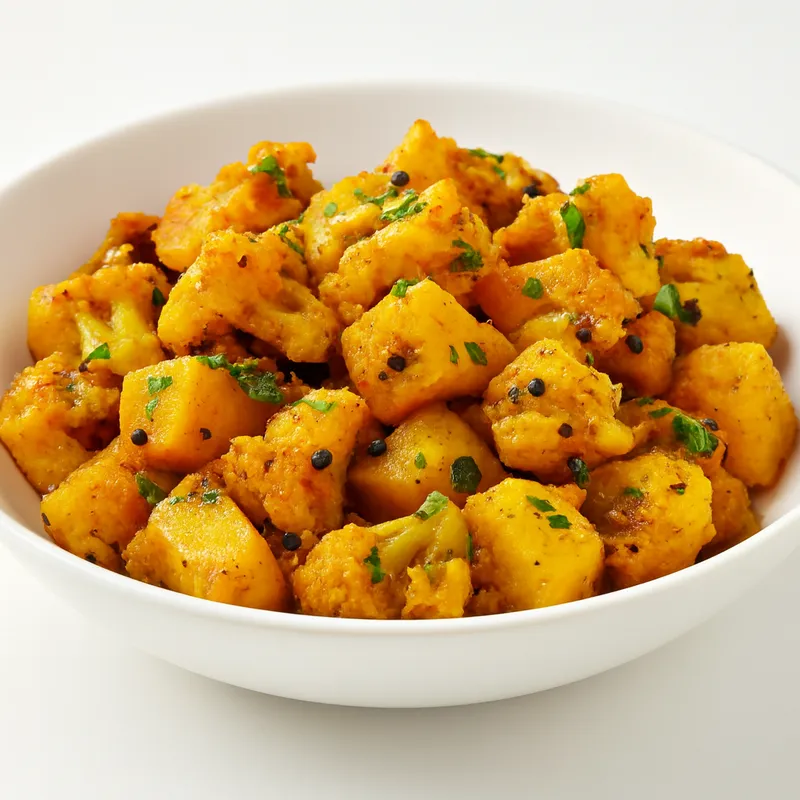
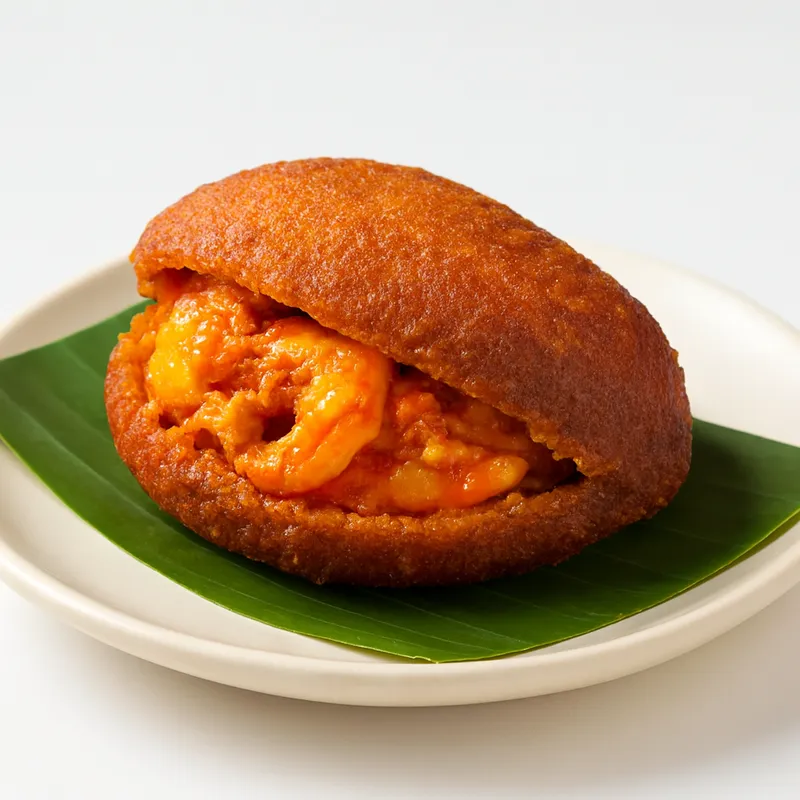
Dish examples
1330 dishes · 114 cuisines



Through Time
Chinese steaming dates to Neolithic Yangshao culture c. 5000 BCE — the *yan* ceramic vessel is the world's first dedicated steamer. Han-dynasty texts describe bamboo zheng baskets. Cantonese dim sum culture refined the technique into the 19th-century yum cha tradition; Yan-Kit So's *Classic Chinese Cookbook* (1984) and Fuchsia Dunlop's *Land of Fish and Rice* (2016) brought it to the English canon.
Related cooking knowledge
Boiling is steaming's water-contact opposite. Sous Vide and Poaching use sub-100°C immersion. Dum Cooking encloses steam inside a sealed pot — same vapor mechanism, longer aromatic infusion. Pachamanca steams from below using stones in an earth pit.