Cambodian
Kroeung paste, prahok fish funk, and freshwater fish — the quietest, most herbal cooking in Southeast Asia.
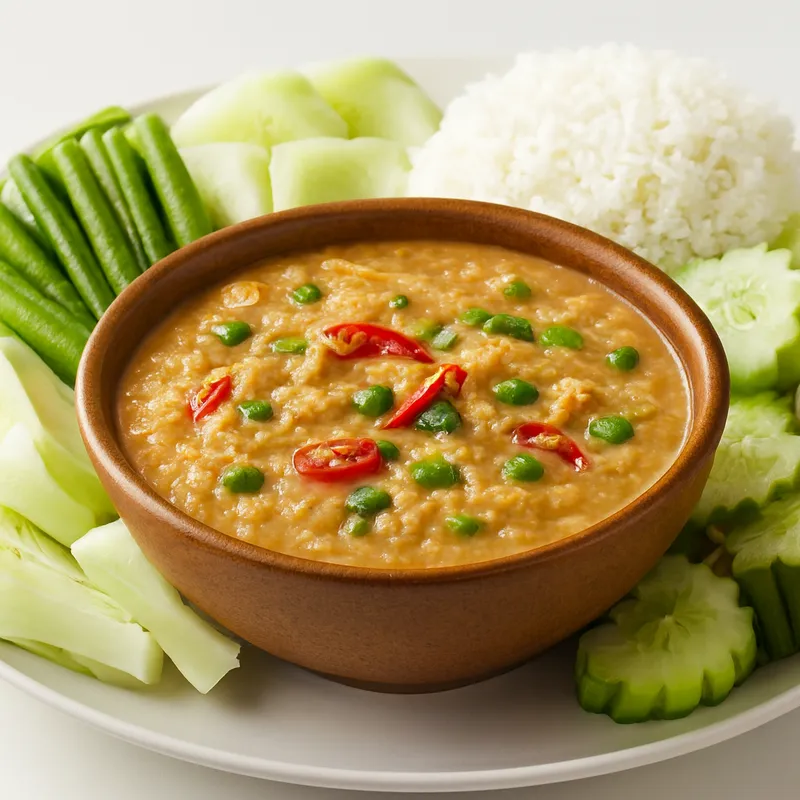
Prahok
Prahok is a fermented fish paste that provides a distinctive umami flavor, central to Cambodian cuisine.
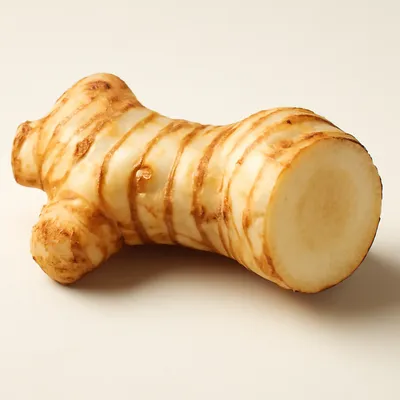
View page →A Cambodian meal smells of lemongrass before you sit down. The pantry runs on kroeung — a fresh paste of lemongrass, galangal, kaffir lime zest, turmeric, and shallots, pounded together by hand in a stone mortar and stirred into nearly every savory dish. The protein is usually freshwater fish — snakehead, catfish, carp — pulled from the Tonlé Sap or the Mekong, and often paired with prahok, the fermented fish paste that gives Khmer food its earthy, savory backbone.
What distinguishes this cooking from Thai or Vietnamese is restraint. There's less chili, more herb. Soups run clearer, sauces are less saucy. Amok Trey — fish steamed in banana leaves with kroeung and coconut milk — is the national dish, and it tastes of almost nothing but lemongrass and cream, yet somehow it tastes of everything. Meals are served family-style: a central platter of rice, two or three little dishes, a plate of fresh herbs, and sour fruit pickles on the side. Gentleness is the signature.
The Palate
Start Here
Freshwater fish fillet coated in yellow kroeung paste and coconut milk, wrapped in banana leaves, and steamed until the curry sets into a custard-smooth terrine.
Why start here · The national dish — shows the kroeung-and-coconut technique, the banana-leaf steam, and the restraint that defines Khmer cooking as a whole.
Fermented rice vermicelli topped with a green fish-and-kroeung gravy, banana flower slices, cucumber, and a forest of fresh herbs. Eaten cold, at breakfast, from a roadside vendor.
Why start here · A uniquely Khmer breakfast — nothing else in the region pairs a fermented rice noodle with a fish curry gravy this way.
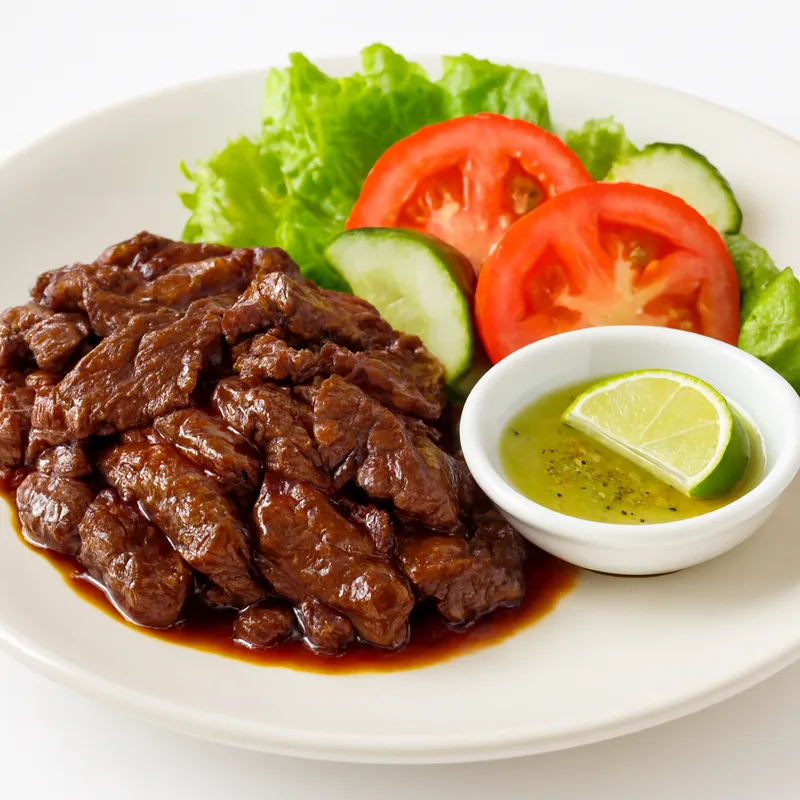
Cubed beef stir-fried with garlic, oyster sauce, and pepper, served over lettuce and tomato with a dipping sauce of lime juice, Kampot pepper, and salt.
Why start here · The most approachable Cambodian dinner — teaches the country's love of Kampot pepper and its French-colonial comfort-food inheritance.
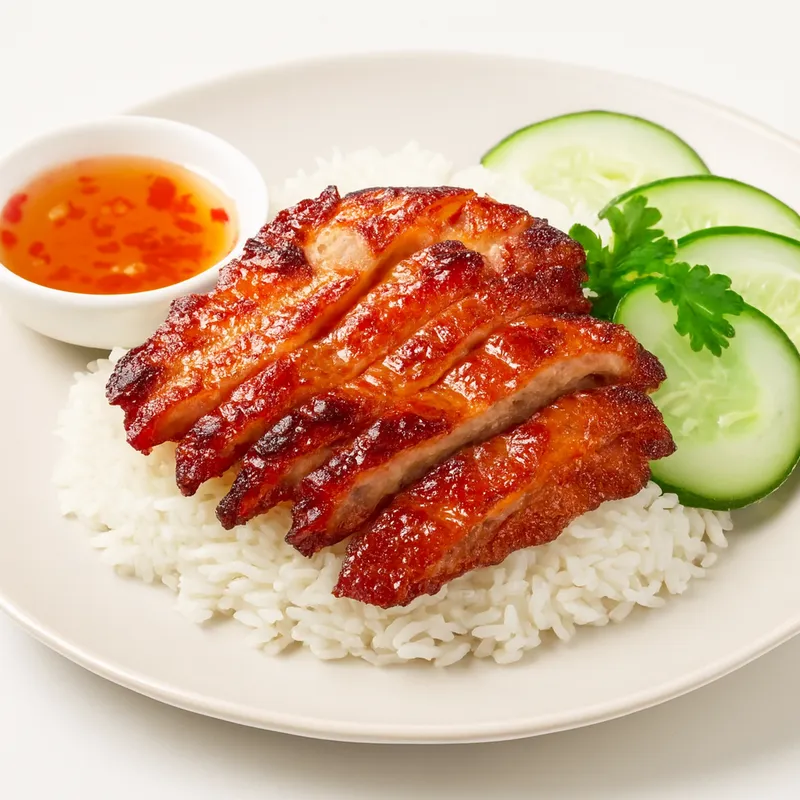
Pork marinated in coconut milk and garlic, grilled over charcoal, served over broken rice with a soft fried egg and a small bowl of clear chicken broth. Breakfast, everywhere.
Why start here · The street-corner breakfast of Cambodia — teaches charcoal grilling, broken rice, and the simple home-cooked register that most Khmer meals actually live in.
The Pantry







See all 146 ingredients›



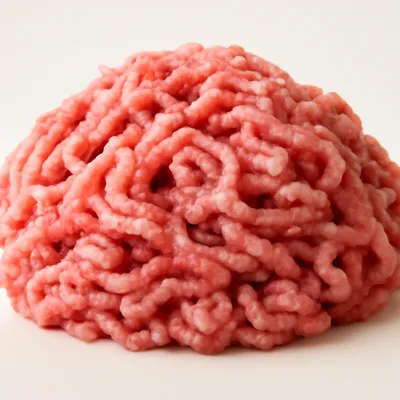
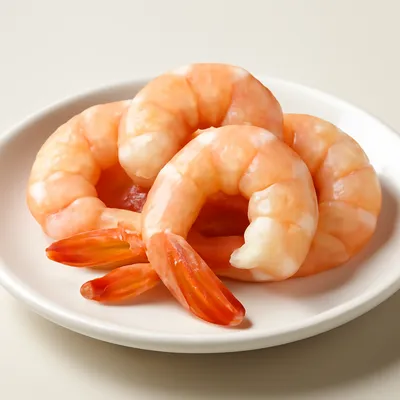

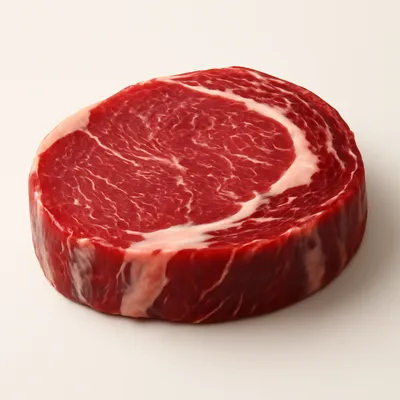














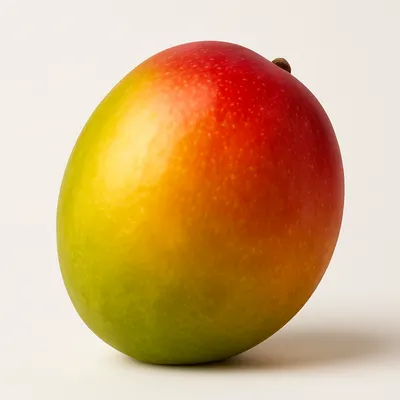
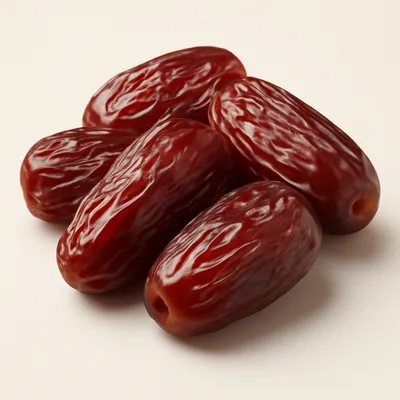
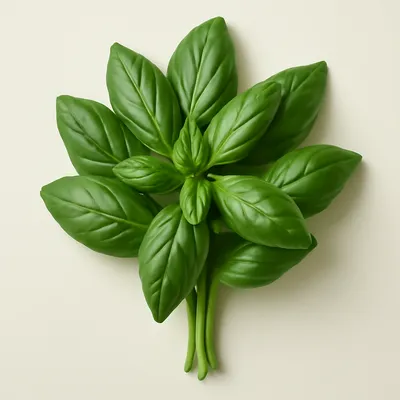
Herbs & Spices


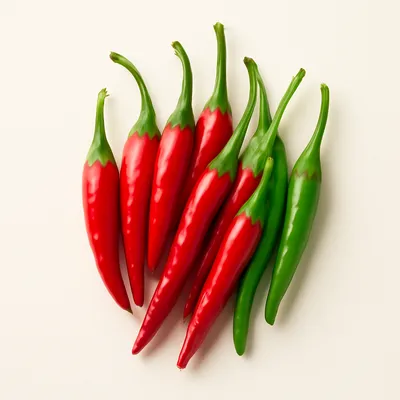
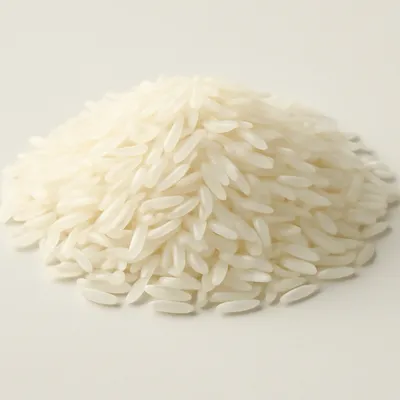
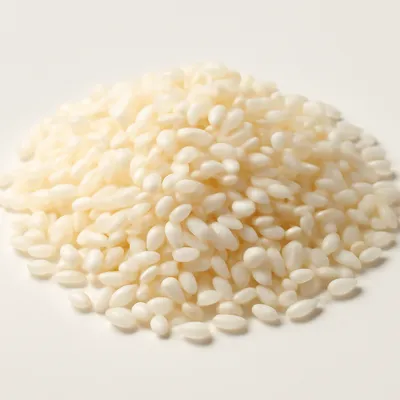
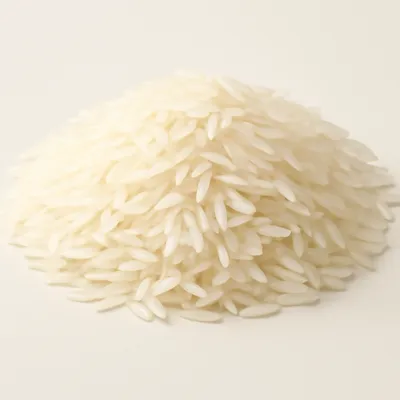
Grains & Staples


















Three Kitchens
Three kitchens — Khmer Canon kreoung-and-prahok mainstream, Cham Muslim Halal river-village, Khmer Krom Mekong-Delta borderland. Tap a region to see its table.
The mainstream Khmer table — amok trey fish curry steamed in banana leaves, prahok fermented-fish base, num banh chok rice noodles, the kreoung lemongrass-and-galangal aromatic paste.
Mekong-Delta Khmer-Krom (ethnic Khmer in Vietnam's southwest) — Vietnamese-influenced fish dishes, sour samlor soups, the Cambodian-Vietnamese culinary borderland.
Halal-Muslim Cham minority — beef-and-chicken curries with kreoung paste (no pork or fish-paste), smoked-fish preparations, the Islamic-influenced river-village kitchen.
How They Cook
Techniques that define this cuisine
Marinating
Cambodian Bai Sach Chrouk marinates pork overnight in coconut milk and garlic before grilling over charcoal for a smoky, rich flavor.
Kindred Kitchens
Cuisines built on the same signature ingredients
Signature Dishes (41)
Browse all 41 dishes›
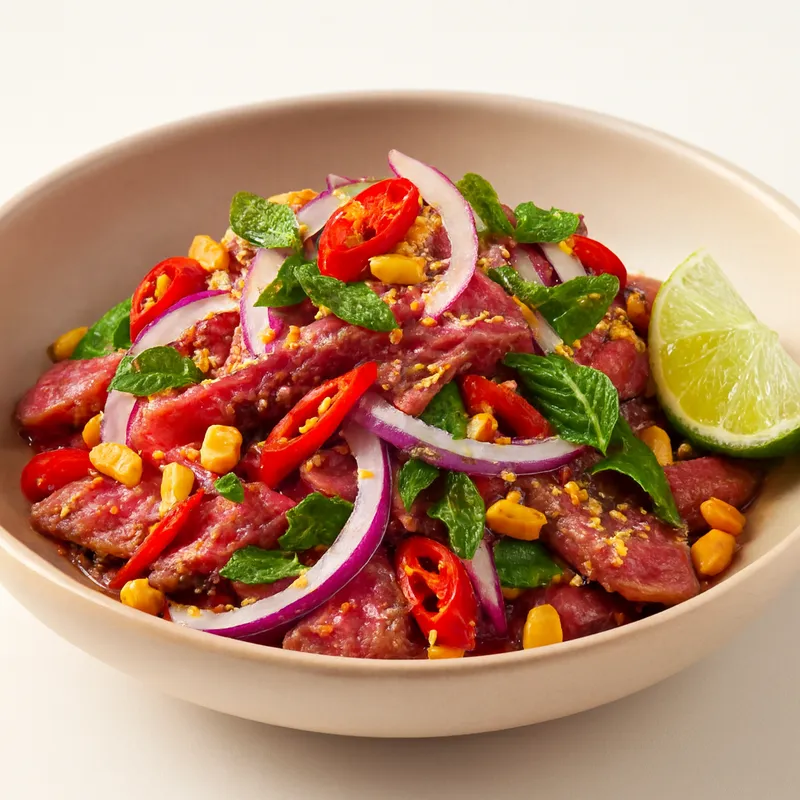
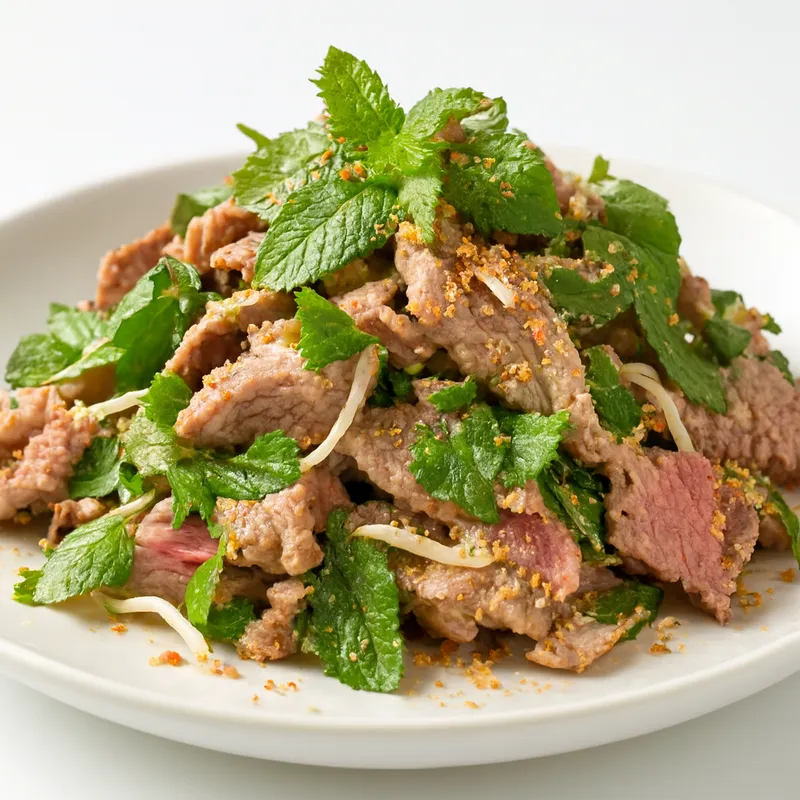
Starters
4

Soups
5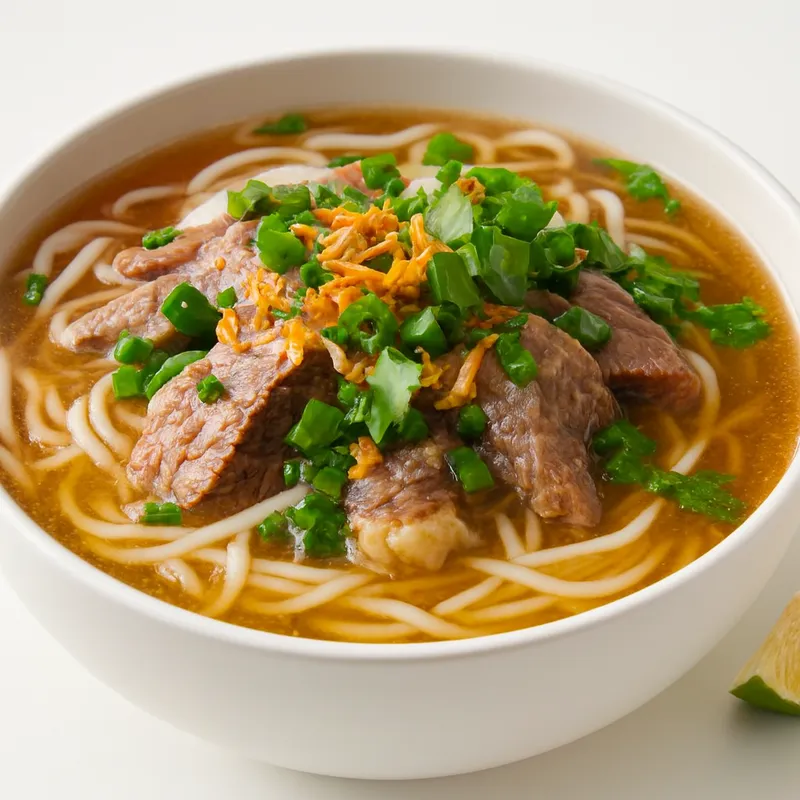
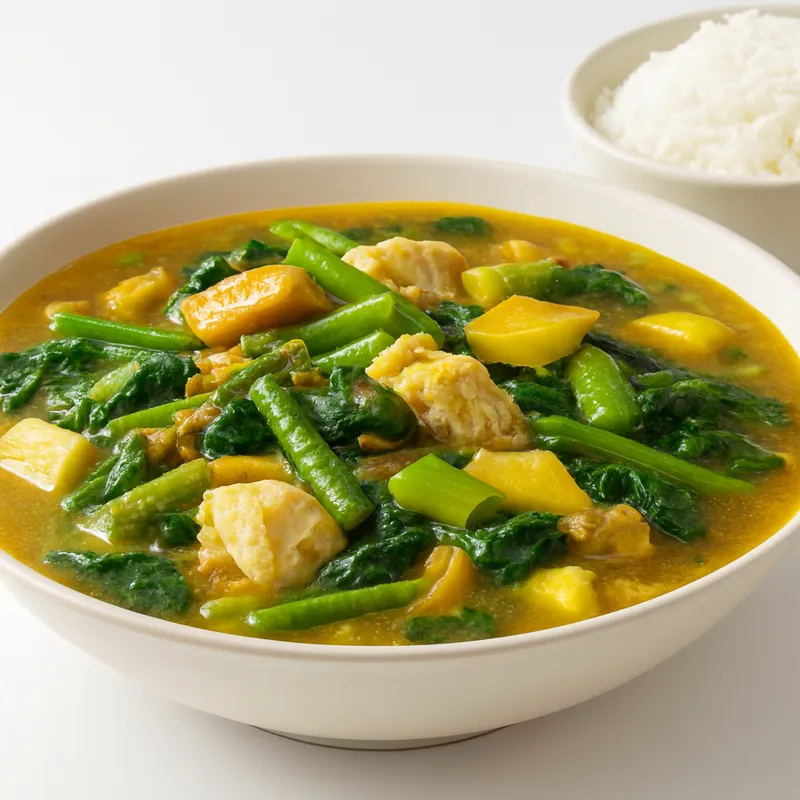


Mains
20