The humble crunch that transforms snacks into cravings.
Earthy and slightly sweet, peanuts deliver a rich, nutty flavor complemented by a delightful crunch. This versatile legume serves as both a snack and a culinary essential, embodying the essence of comfort food.
Where it comes from
Originally from South America, peanuts made their way to Africa and Asia, where they became integral to local cuisines. They are deeply rooted in Southern U.S. culture, where they are celebrated in dishes like peanut butter and boiled peanuts.
In the kitchen
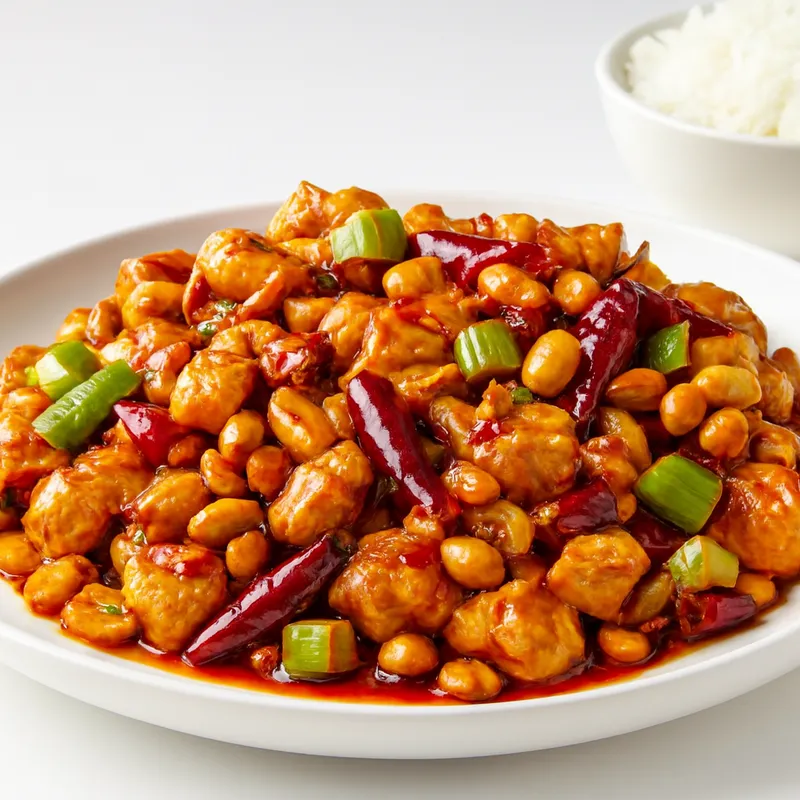
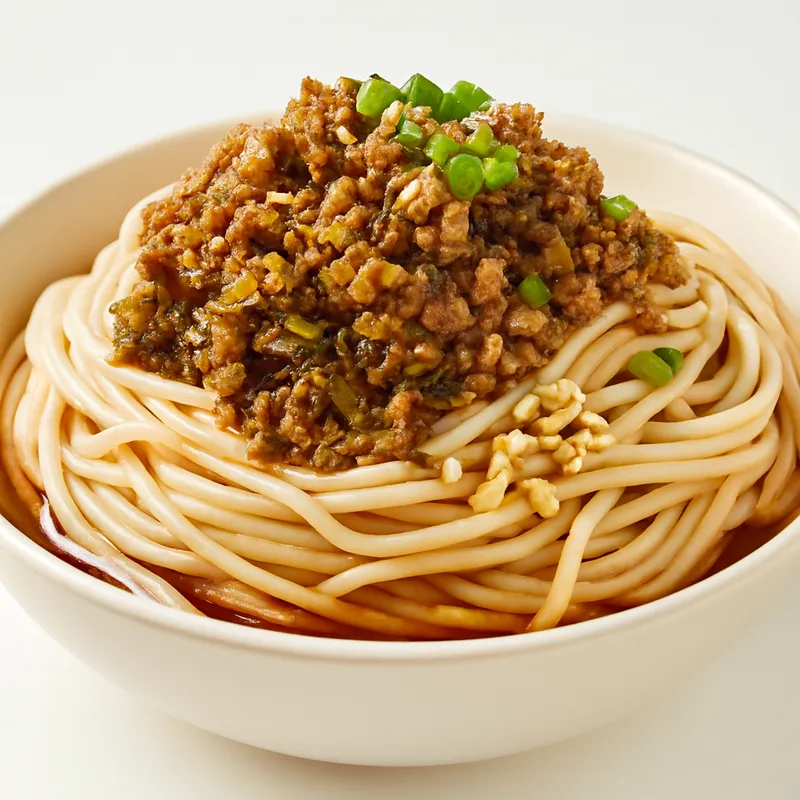
Roasted, boiled, or ground into butter, peanuts add texture and flavor to a multitude of dishes, from sauces to desserts. They are a key ingredient in Asian cuisines, enhancing both sweet and savory offerings.
Across cuisines
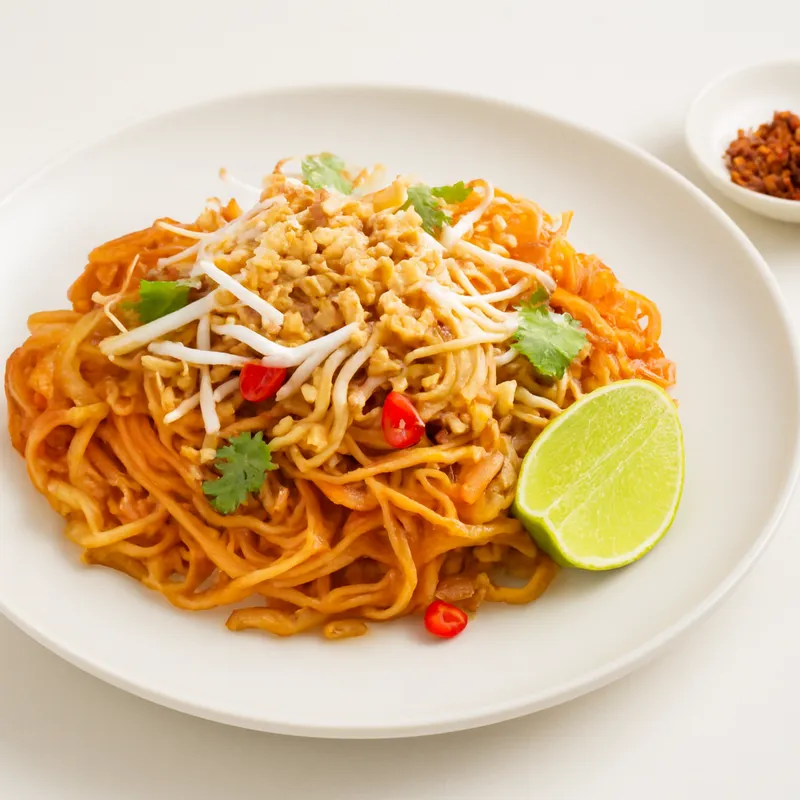
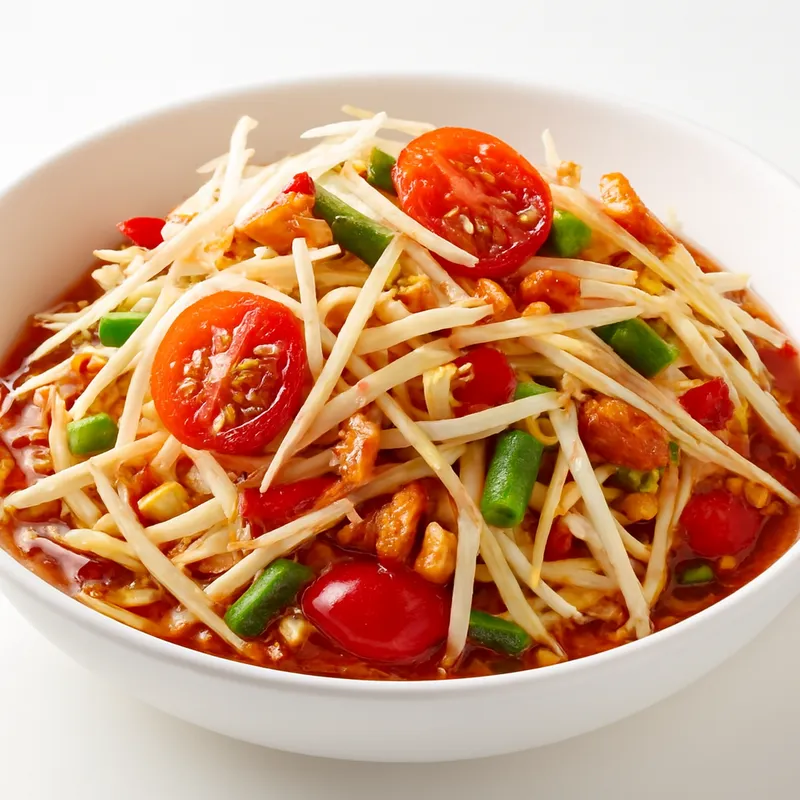
In Thai cuisine, peanuts are often used as a crushed garnish to provide texture and nutty flavor. They are commonly sprinkled over dishes like Pad Thai and Som Tum, adding a crunchy contrast to the softer ingredients. The peanuts are usually roasted before being crushed to enhance their aroma.
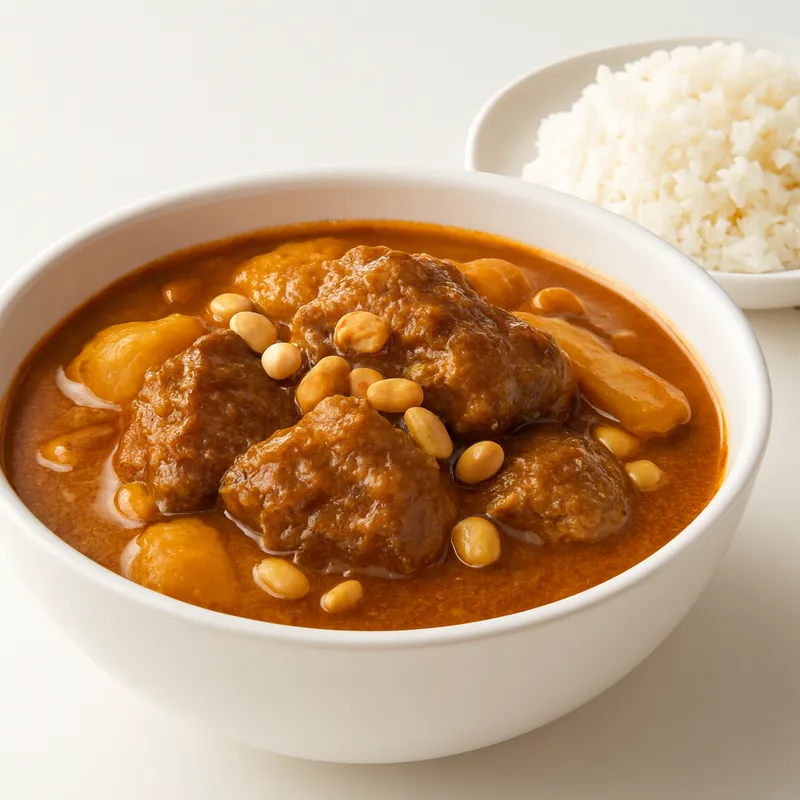
Peanuts are central to West African cooking — Senegal is the historical heart of the Sahelian peanut economy. Mafé (also called domoda) is the peanut-butter-thickened stew of beef or lamb, served over broken rice. The peanut paste is built from ground roasted nuts cooked into the tomato base until it loosens into a sauce.
Peanuts are the signature ingredient of sopa de maní — the Bolivian peanut soup that descends from Andean indigenous cooking. Raw peanuts are roasted, ground, and added to beef stock with potato, carrot, and fideos noodles. The soup is finished with crisp fried potato sticks on top. The peanut-and-Andes combination is centuries older than the African peanut economy.
Nutrition (per 100g)
AI-estimated; model and run unavailable.
Pairs well with