


Codified in 1938 under Prime Minister Plaek Phibunsongkhram, who promoted rice noodles during a national rice shortage and a wartime push for Thai identity over Chinese influence. The wok technique itself came from Teochew immigrants the previous century — the dish is a Chinese method renamed Thai by decree. The original campaign poster said: "Eating noodles is good for the country."
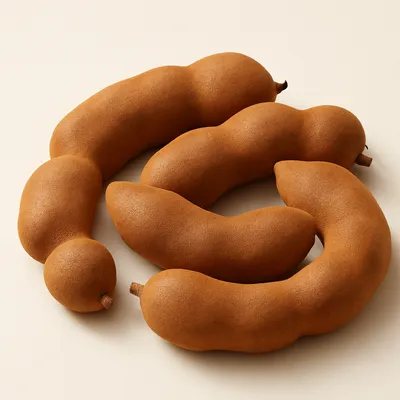
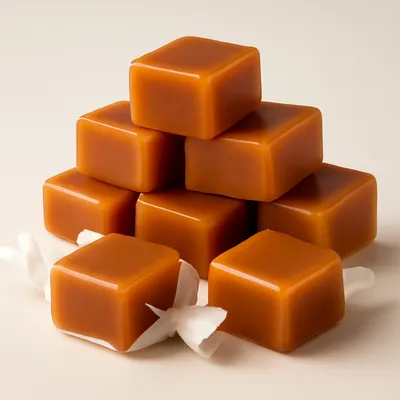
Tamarind brings the sour edge, palm sugar rounds it, and fish sauce supplies salt and savor. The noodles should stay springy, with bean sprouts and peanuts added for crunch.
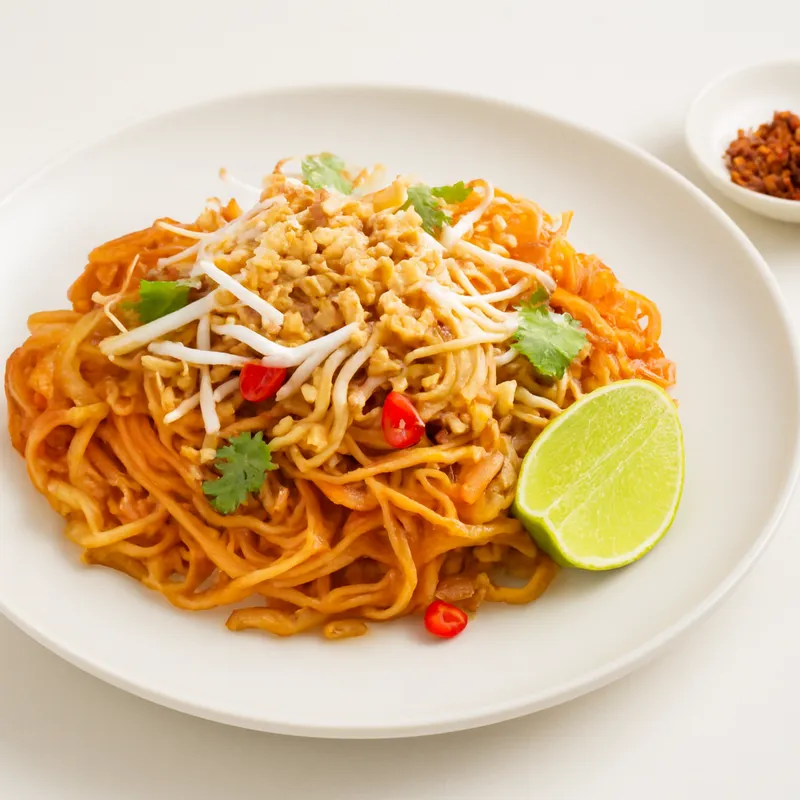
Thin rice noodles in a glossy red-brown coat. Tamarind hits first — sour, then palm-sugar caramel, then fish-sauce salt. Crushed peanuts and dried chili go on at the table. The good version is dry; if sauce pools on the plate, the cook went wrong.
Tamarind is load-bearing: it's the sour that stands up to wok heat (lime juice would denature into bitterness) and supplies the brown color. The proper version is drier than most Western renditions — Thai cooks reduce the sauce until it coats; soggy Pad Thai means too much liquid or not enough wok hei. Real fish sauce, not soy, is the backbone — vegetarian versions miss the umami spine.
Variations
Bangkok street vendors use tamarind paste and palm sugar; Chiang Mai version is sweeter with more peanut; modern Western pad thai often uses ketchup as shortcut — three sweetness levels.
On the Palate
Where Pad Thai sits in the Thai flavor cloud
Finish Pad Thai dry, not saucy — reduce the tamarind sauce over high wok heat until it just coats the noodles, using tamarind (not lime) as the sour that survives the heat and carries the brown color.
Ingredients








How it's made
5 steps · 8 min
- 11 min
Heat a large wok over medium-high heat until a drop of water sizzles and evaporates instantly. Add a splash of oil, swirling to coat the surface evenly. Toss in the garlic, stirring quickly until fragrant but not browned, about 30 seconds.
Watch outThe wok is ready when a flick of water skitters and vanishes at once; the garlic should smell sweet and nutty within seconds — pull back the heat before it colors.
- 22 min
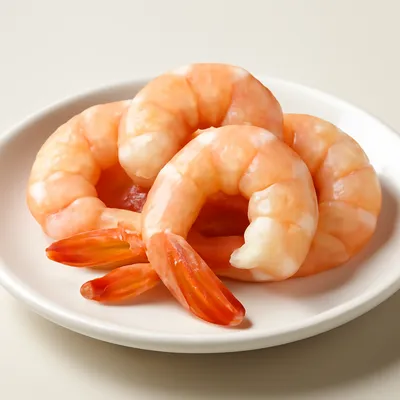
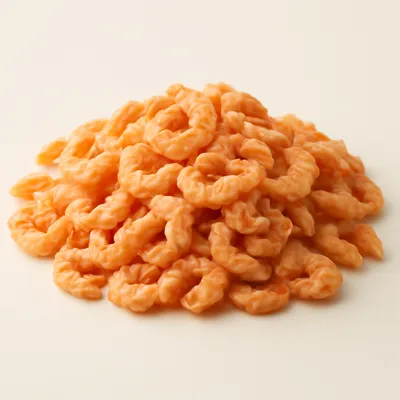
Add shrimp to the wok, cooking until they turn pink and opaque, about 2 minutes. Push them to one side of the wok.
Watch outThe shrimp should turn pink and opaque and curl loosely in about two minutes; stop the moment the flesh loses its glassy look.
- 31 min
Crack the egg into the wok, scrambling it gently with a spatula until just set. Mix the shrimp back in with the egg.
Watch outPour the egg onto a clear patch of hot wok; drag it into soft, just-set curds that still look glossy, not dry or browned.
- 43 min
Add the rice noodles to the wok, stirring and tossing them with the shrimp and egg. Pour in the fish sauce and a squeeze of lime juice, mixing until the noodles are coated and warmed through, about 3 minutes.
Watch outAs the sauce hits, it should sizzle and grip the noodles into a glossy red-brown coat; keep tossing until the pan looks dry with no liquid pooling.
- 51 min
Sprinkle peanuts over the noodles, stirring them in gently. Cook for another minute to allow the flavors to meld together.
Watch outThe peanuts should smell toasty and the noodles look evenly glazed and clump-free — the plate stays dry when you tip it.