


An Indian-Muslim (mamak) Malaysian invention, late 19th to early 20th century. Chinese immigrants brought yellow alkaline wheat noodles to Malaya; mamak cooks adapted them to halal kitchens (no pork, no Chinese sausage) and Malay-Indonesian sweet-soy palates, using kicap manis and tomato sauce — the latter a colonial-British grocery import. The result is geographically Indian-Malay, technically Chinese, condimentally British. Proper mee goreng mamak is fast street food, not restaurant fare.
Indian-Muslim mamak invention — Chinese alkaline noodles, Malay sweet soy, British colonial ketchup all hitting the same wok by 1900. The bottled tomato sauce is the load-bearing ingredient: its glucose caramelizes on the wok wall and gives the noodles their orange glaze.
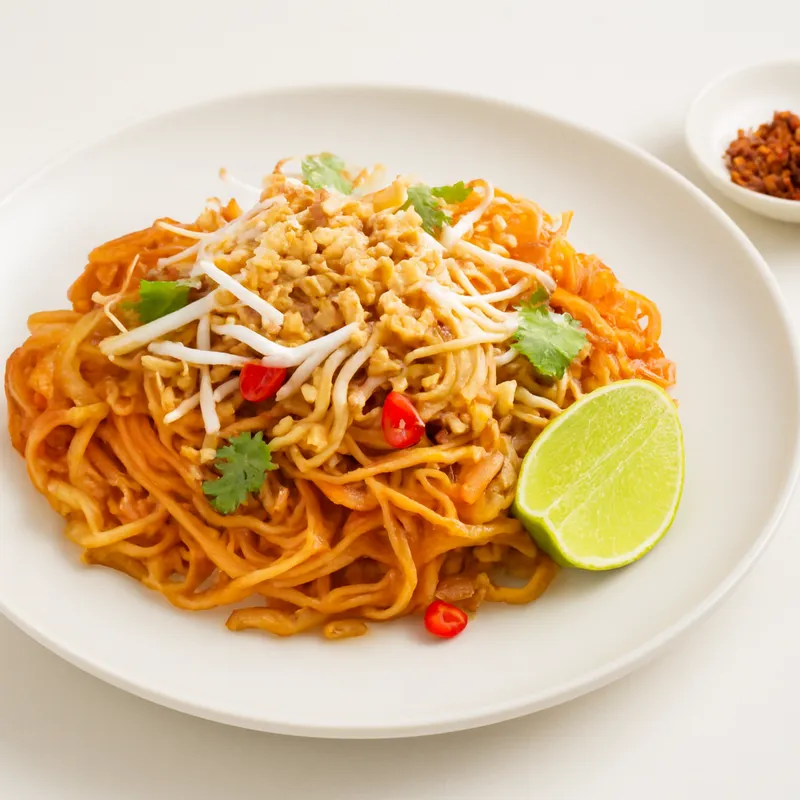
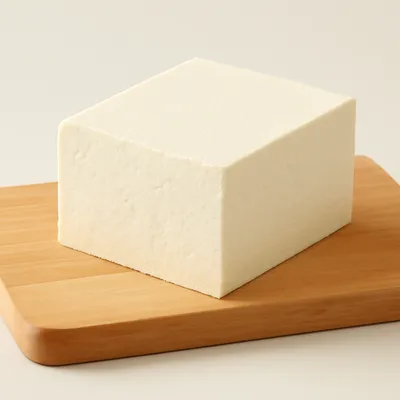
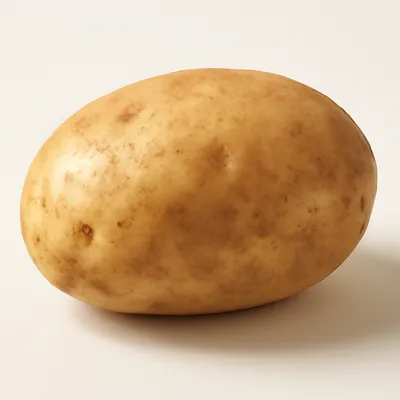
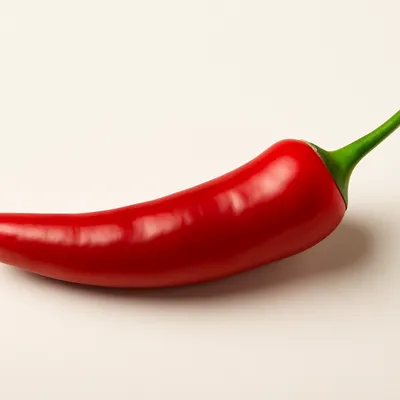
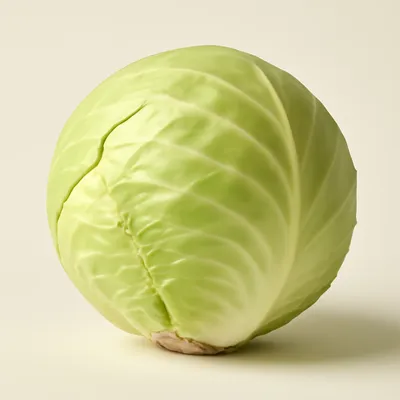
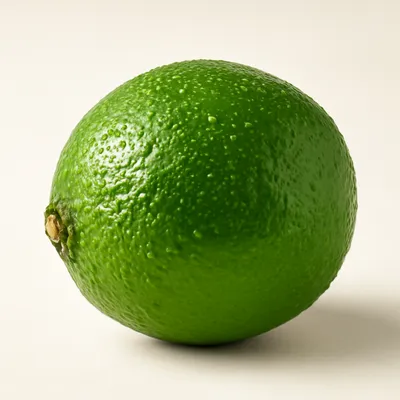
Yellow wheat noodles tossed in a hot wok with a sweet-spicy red sauce, tomato sauce, kicap manis, sambal, and chili paste — the noodles end up orange-red and slick. Cubed firm tofu, sliced potato (boiled then wok-tossed), egg cracked in mid-fry, bean sprouts, sometimes mutton or shrimp. A wedge of lime and sliced green chili on the side. Mamak café staple; tastes sweeter than it looks.
Tomato sauce (ketchup) is the unexpected load-bearing ingredient — it's not just for color. Its vinegar and sugar balance against sambal and kicap manis would otherwise read flat-sweet, and its glucose caramelizes on the hot wok surface to give the noodles their characteristic glaze. Versions made without it (substituting fresh tomato or paste) come out wetter and less glossy. That bottled-ketchup move is the cultural fingerprint.
Variations
Mee goreng mamak (the Indian-Muslim original, ketchup-based); mee goreng basah (Penang, wet-style with more gravy); Javanese mi goreng (sweeter, kecap manis-led, no ketchup); Maggi goreng (instant-noodle hawker version that took over from the late 1990s).
On the Palate
Where Mee Goreng sits in the Malaysian flavor cloud
Get the wok blazing hot and let the ketchup and kicap manis caramelize onto firm noodles — that sticky glaze, not sauce sitting in a puddle, is what makes it mee goreng.
Ingredients






How it's made
6 steps · 17 min
- 15 min
Bring a large pot of water to a boil. Add the noodles and cook until just tender, about 3-4 minutes. Drain and set aside. The noodles should be firm yet tender, not mushy.
Watch outPull the noodles while they still have a firm core — they cook again in the wok.
- 21 min
Heat a wok over medium-high heat and add a splash of oil. Add the garlic and chili pepper, stirring until fragrant, about 30 seconds. The aroma should be intense, but be careful not to burn the garlic.
Watch outGarlic and chili just turn fragrant in about 30 seconds; the second they go past golden they scorch and turn bitter.
- 35 min
Add the tofu and potato to the wok. Stir-fry until the tofu is golden and the potato is slightly crispy, about 5 minutes. The tofu should develop a nice crust while the potato edges start to brown.
- 43 min
Add the noodles, soy sauce, and tomato to the wok. Stir-fry everything together, ensuring the noodles are well-coated and heated through, about 3 minutes. The tomato should soften and meld with the soy sauce.
Watch outKeep tossing until the sauce clings and glazes the noodles glossy instead of pooling at the bottom.
- 52 min
Push the noodles to one side of the wok. Crack the egg into the empty space and scramble until just set, about 1 minute. Mix the egg into the noodles.
Watch outLet the egg set just barely into soft curds before folding it back through, so it stays tender.
- 61 min
Transfer the mee goreng to serving plates and garnish with a slice of lime. The lime adds a fresh, zesty finish to the dish.