Tamarind
Tangy tropical pod; tartaric acid provides distinctive sour-sweet balance in Indian, Thai, and Mexican cooking.
Where it comes from
Originating in Africa and now widely used in Indian and Southeast Asian cuisines, tamarind has a rich history, once considered a staple for both culinary and medicinal purposes.
In the kitchen
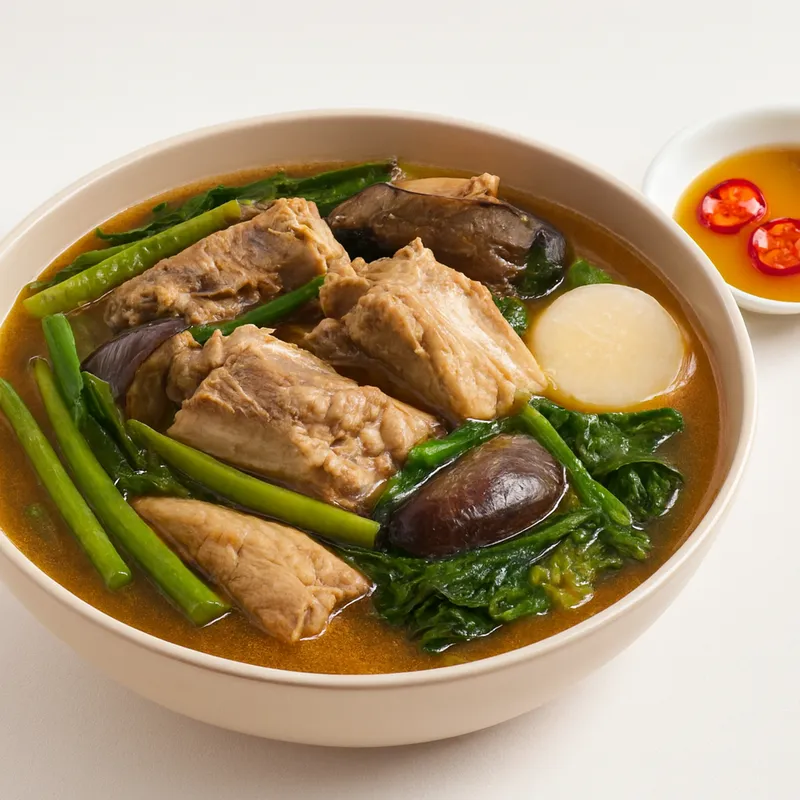
Used in sauces, marinades, and chutneys, tamarind adds a tangy depth and sweet complexity, often balancing spicy and savory elements in a dish.
Across cuisines
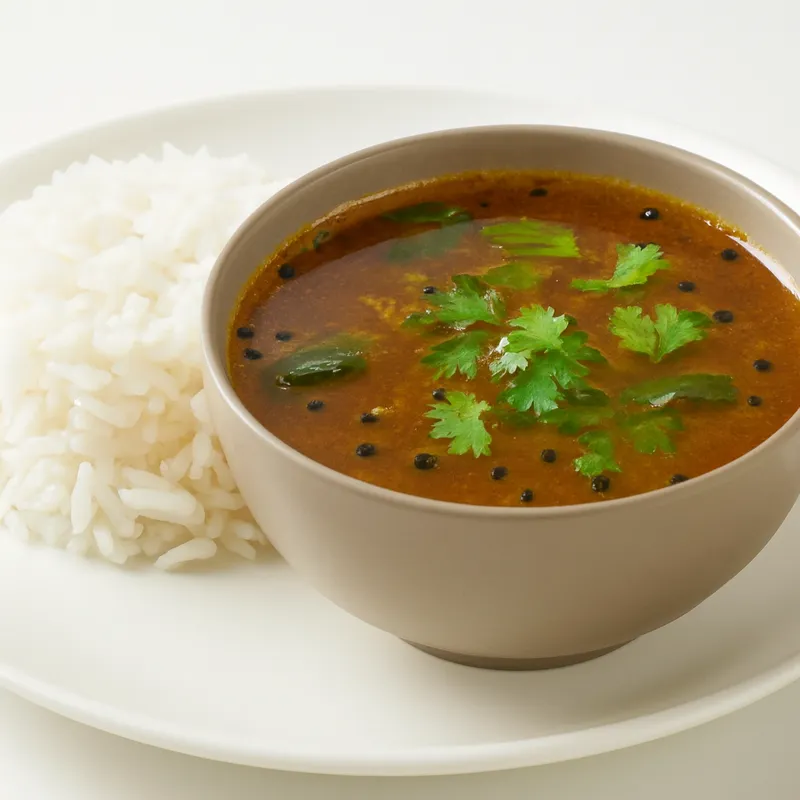
South Indian cooking uses tamarind in two forms: tamarind water extracted from pulp soaks (rasam, sambar, fish curries from Kerala and Goa), and concentrated block paste cooked directly into chutneys. Pani puri's green chutney pairs it with mint; bhel puri uses thick sweet tamarind chutney for contrast. Hyderabadi bagara baingan and mirchi ka salan rely on tamarind for the signature sour base that anchors peanut-sesame gravies.
Pad Thai's signature sweet-sour flavor comes from tamarind paste dissolved with palm sugar and fish sauce—commercial street-stall cooks use a pre-mixed sauce, but traditional recipes balance all three from scratch. Assam-style southern Thai preparations (gaeng tai pla, khanom jin nam ya) use tamarind as a souring agent alongside fermented fish. Jaew (Isaan dipping sauce for grilled meats) incorporates roasted dried chili and tamarind.
Tamarind (asam jawa) provides the characteristic sourness in Javanese gado-gado peanut sauce, where it balances the fat of the peanut base. Jamu (traditional herbal tonic) often incorporates raw tamarind alongside turmeric and ginger. Padang-style rendang and some gulai variants add a small amount for brightness at the end of the long cook.
Notable varieties
Cultivated variety with lower tartaric acid; eaten fresh or used in confections. Not suitable as a cooking souring agent where sharp acidity is required.
Nutrition (per 100g)
AI-estimated; model and run unavailable.