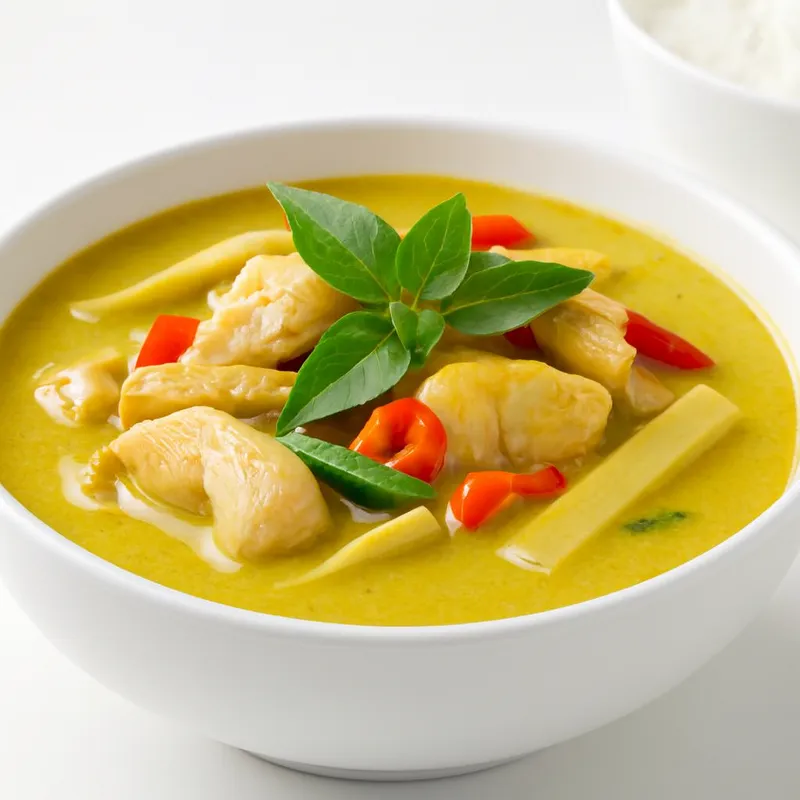
A pungent curry known for its deep, earthy notes from the tai pla paste, combined with the freshness of makrut lime and a fiery kick.




A Pak Tai (Southern Thai) staple from coastal Muslim and Thai-Buddhist fishing communities along the Andaman and Gulf coasts. Tai pla itself is a frugality product: when fishermen gutted the catch, the innards were salted and barrel-fermented for months rather than discarded. The curry is older than national Thai cuisine — it's a regional fish-preservation tradition that became a curry.
A Pak Tai curry built on tai pla — mackerel innards barrel-fermented for months, predating national Thai cuisine. The fermented sediment carries free amino acids no fish sauce or doubanjiang can replicate; strain the paste before it goes in or even Southerners back away.
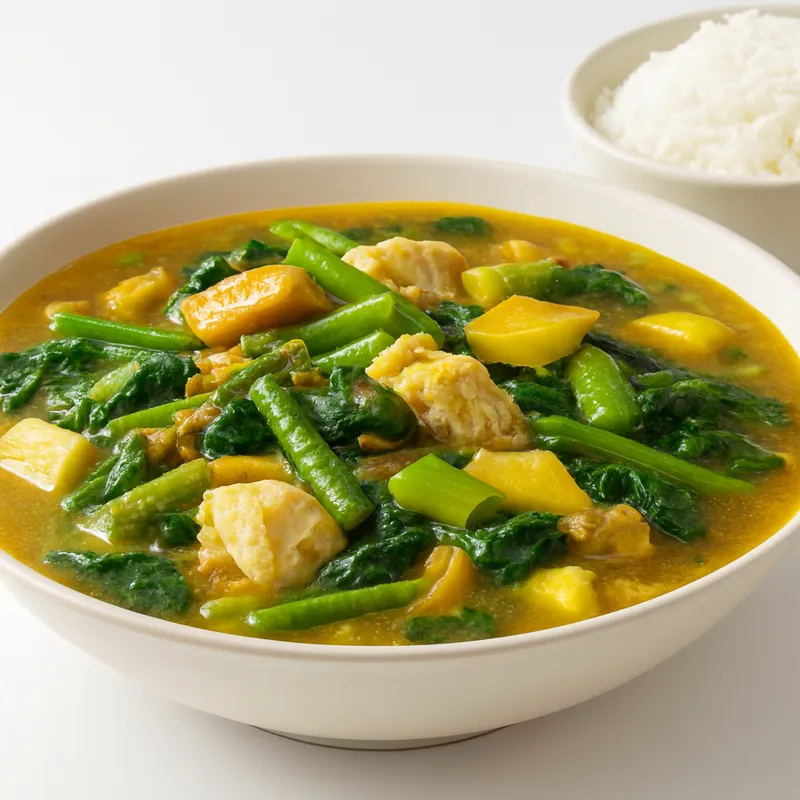
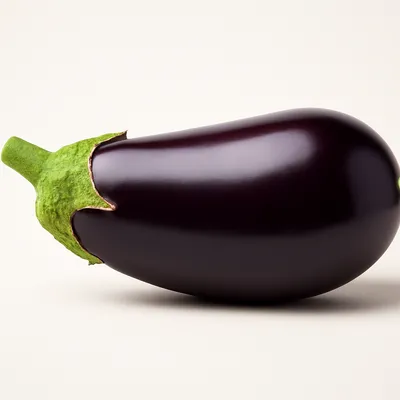
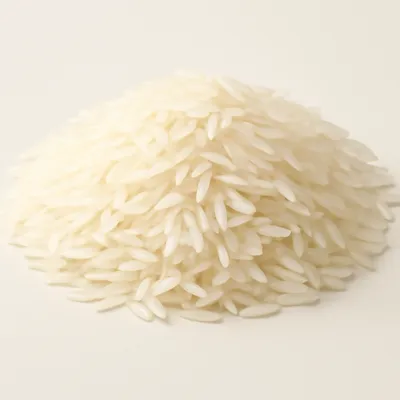
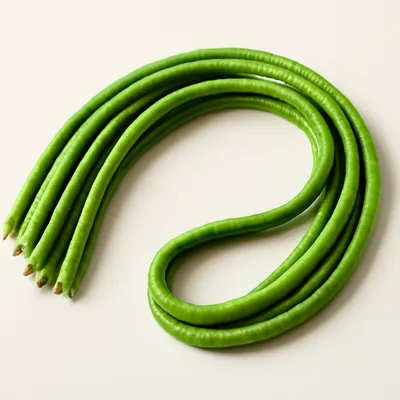
A muddy-brown, dense Southern curry built on tai pla — fermented fish innards, usually mackerel, aged for months. Vegetables (long bean, eggplant, bamboo shoot, pumpkin), sometimes fish chunks, in a thick, salty, fiery broth. Pungent enough that the smell tells you the dish has arrived before the bowl does. Served with rice; a single spoonful flavors several mouthfuls. Among the hottest curries in the Thai canon.
Tai pla is non-substitutable — it carries glutamates and free amino acids built up over months of fermentation, and it's what gives the curry its black-brown depth. Western recipes that swap in Vietnamese fish sauce or Chinese fermented bean produce something entirely different. The paste is also strained before going into the curry; the unstrained sediment is too aggressive even by Southern standards.
Variations
Phatthalung and Trang versions run with bamboo shoot and pumpkin; Krabi Muslim cooks drop the pork-adjacent ingredients and load up green papaya; Bangkok's Prai Raya restaurant runs a tamed Phuket-pitched version, while Songkhla street stalls keep it punishing.
On the Palate
Where Gaeng Tai Pla sits in the Thai flavor cloud
The fermented fish-gut paste (tai pla) is the whole dish — strain it into the water first for a clean, deep-savory base; nothing else, not fish sauce, not fermented bean, delivers its months-built glutamate funk.
Ingredients





How it's made
5 steps · 1 hour 30 min
- 121 min
Boil the tai pla paste with water in a pot to form the curry base.
Watch outAs the paste boils out, the base should smell sharply funky and turn black-brown — that murky depth is right, not a mistake.
- 213 min
Add mackerel, eggplant, bamboo shoots, and yard-long beans to the pot.
- 313 min
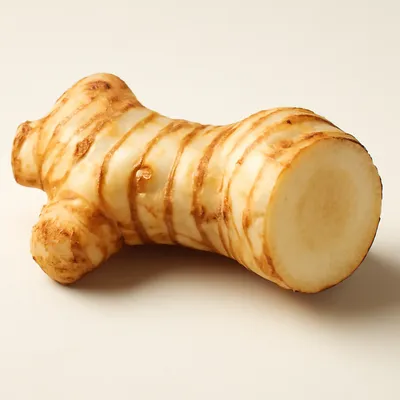
Incorporate makrut lime leaves, turmeric, and galangal for depth of flavor.
- 439 min
Simmer until the vegetables are tender and the fish is cooked through.
Watch outKeep it at a steady simmer until the eggplant and beans go soft and the fish flakes; a hard rolling boil breaks the fish apart.
- 55 min
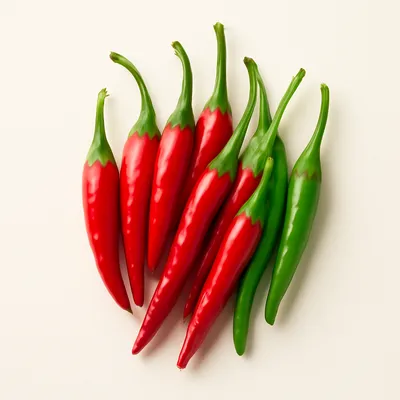
Balance the saltiness with some salt and add bird's eye chili for heat.
Watch outTaste before the final salt — the tai pla is already salty, so add chili and only enough salt to lift it.
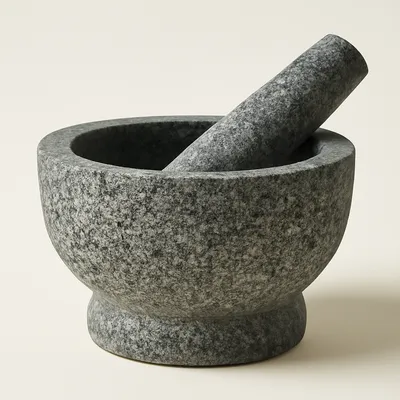
Archive tool suggestions — not reviewed
These legacy suggestions have not been evidence-reviewed and are not presented as required tools.