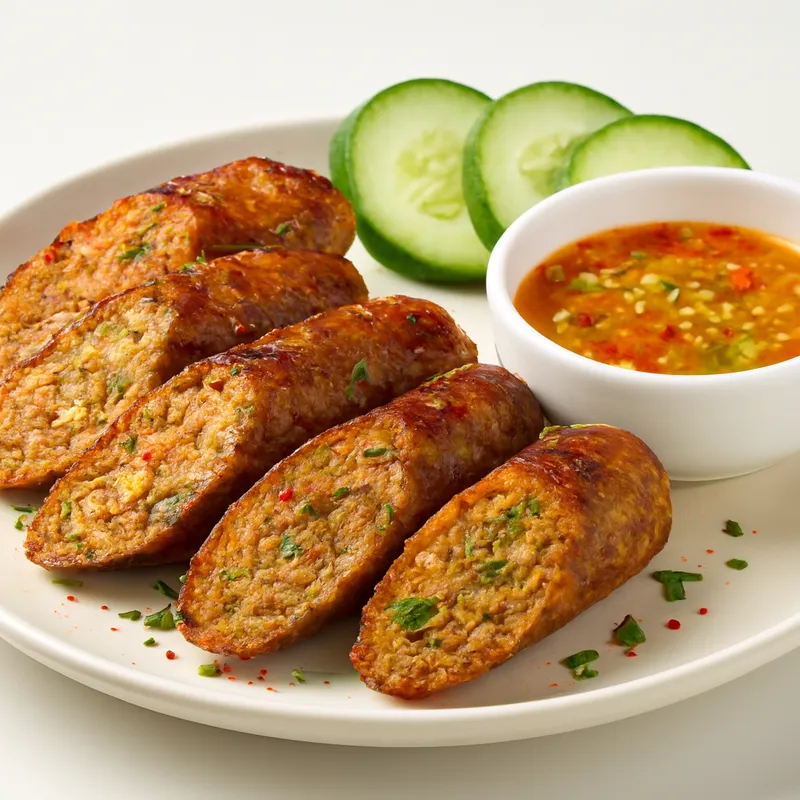
This dish features silky rice noodles drenched in a rich, coconut milk-based curry, brimming with the umami of kapi and the earthy heat of fingerroot (krachai).
Khanom jeen is the oldest noodle in Thailand — a Mon-origin fermented rice noodle dating to at least the Ayutthaya period (14th-18th century), predating the Chinese rice-noodle wave by several centuries. "Nam ya" means "medicine water," referring to the herbal-curry base. The dish appears in temple festivals across Central and Southern Thailand because the noodle and curry can be made in volume.
Khanom jeen — Mon-origin fermented rice noodle dating to the Ayutthaya period (14th-18th c.) — predates the Chinese rice-noodle wave by centuries. Nam ya means 「medicine water」; the fish must be poached then pounded into the paste, not blended raw, or the curry goes muddy.
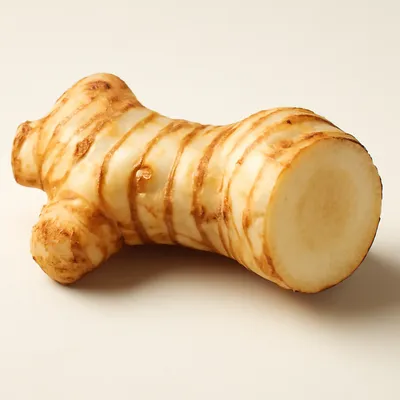
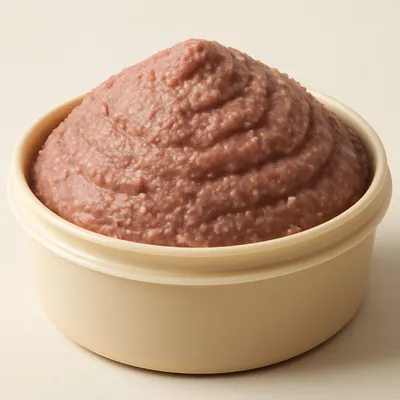
Soft, fresh-pressed rice noodles in a thick coconut-fish curry — pounded fish (usually mackerel or snakehead), galangal, lemongrass, kaffir lime, fingerroot, dried red chili, shrimp paste — ladled over the noodles at the table. Bean sprouts, pickled greens, hard-boiled egg, and raw vegetables go on top by hand. The curry is creamy-thick and fish-forward, not chicken-stock-light. Eaten for breakfast or temple lunch.
Pre-poaching the fish then pounding it into the curry paste is the load-bearing technique — raw fish blended in goes muddy and won't bind to the coconut milk. Khanom jeen noodles are mildly fermented, which gives them a faint sour note that balances the rich curry; substituting fresh rice vermicelli changes the dish into something flatter and one-dimensional.
Variations
Nam ya pa runs without coconut and leans on fingerroot; nam ya pu uses crab instead of mackerel or snakehead; Phetchaburi temple kitchens serve it with banana blossom and pickled mustard greens, while Southern Pak Tai versions add fresh turmeric and run hotter.
On the Palate
Where Khanom Jeen Nam Ya sits in the Thai flavor cloud
Ingredients









How it's made
5 steps · 2 hours
- 130 min
Boil mackerel in water, then flake the meat and set aside.
- 219 min
Blend dried chili, galangal, lemongrass, kratiem, shallots, and kapi into a smooth paste.
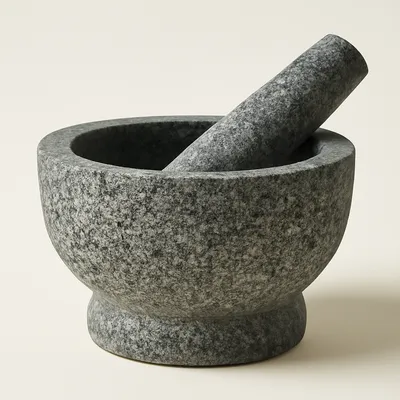
Watch outPound the aromatics until you can no longer see separate fibers — a smooth, cohesive paste, not a chunky mince.
- 356 min
Simmer the paste in coconut milk until fragrant.
Watch outSimmer the paste in the coconut milk until it turns deeply fragrant and a thin film of oil surfaces.
- 48 min
Add the flaked fish and season with nam pla.
Watch outAdd the flaked fish gently and fold, not stir hard, so it stays in soft shreds.
- 58 min
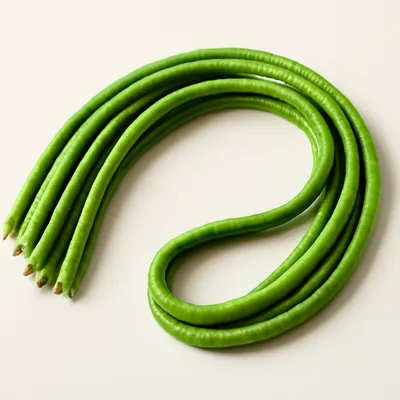
Serve over rice noodles with fresh bean sprouts and long beans.
Archive tool suggestions — not reviewed
These legacy suggestions have not been evidence-reviewed and are not presented as required tools.