Fresh fermented rice vermicelli (khanom jin) in a pork-rib and tomato broth with dried cotton-tree flowers (dok ngiao), pork-blood cubes, and fermented soybean disc (tua nao).
Nam ngiao came south from the Tai Yai (Shan) people of upper Burma into Chiang Mai and Chiang Rai; the name 「ngiao」 in Northern Thai is an old word for the Shan. The cotton-tree-flower (dok ngiao) is the unique marker — a Shan ingredient native to dry forest in the upper Mekong region. Once a festival dish, it became Chiang Mai's everyday lunch sometime in the mid-20th century, sold from morning markets and noodle stalls alongside khao soi.
Came south from the Tai Yai (Shan) of upper Burma into Chiang Mai and Chiang Rai; ngiao is the old Northern Thai word for the Shan. Dok ngiao (cotton-tree flower) is the unique marker, and tua nao must be roasted before pounding.
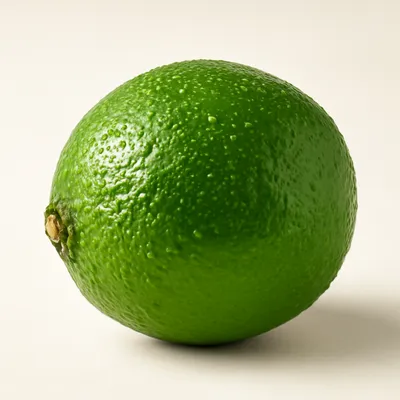
Rust-red broth, slightly oily on top from the lard-and-paste sear, sour-tomato bright with a meaty undertow from the pork bones. The khanom jin noodles are soft and slightly fermented-tangy on their own — they soak up the broth like a sponge. Dok ngiao adds a velvety, almost slimy soft fibre; pork blood is custard-firm and faintly metallic. Add fried garlic and a squeeze of lime at the table — without the lime it tastes flat. Crispy pork rinds dunked into the broth give the only crunch.
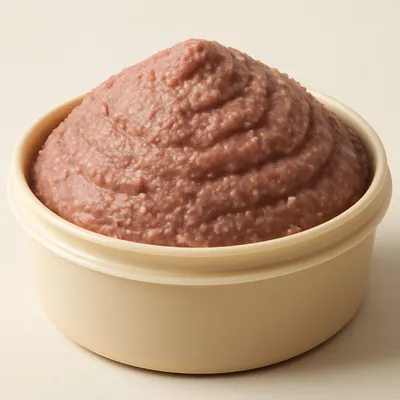
Three load-bearing details: the tua nao disc is roasted before pounding (raw it tastes like wet beans; toasted it goes nutty and miso-like, the umami backbone of the broth). Tomatoes go in early, not late — they need 60 minutes to break down into the broth, not float as chunks. Dok ngiao must soak before going in or it pulls liquid from the broth and stays leathery; once soaked it adds a soft fibrous body that distinguishes nam ngiao from any tomato-based pork soup elsewhere.
Variations
Chiang Rai version runs heavier on dok ngiao and pork blood; Chiang Mai's Khao Soi Lam Duan also serves the morning nam ngiao; Mae Hong Son highland Shan villages skip the tomato and run a clearer broth; Yunnan Tai Lue cousins use guoba rice crust on top.
On the Palate
Where Khanom Jin Nam Ngiao sits in the Thai flavor cloud
Ingredients
Serves 6












How it's made
6 steps · 45 min active + 45 min waiting
- 112 min
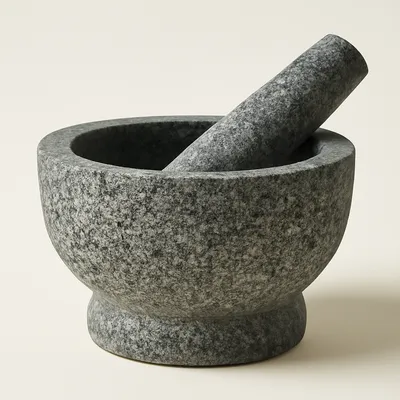
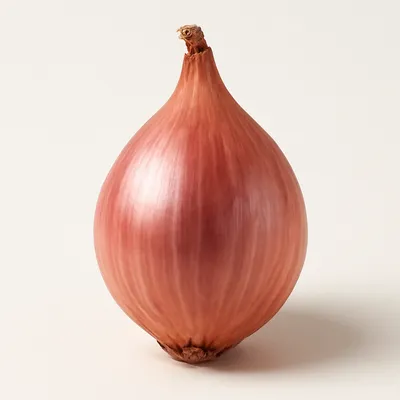
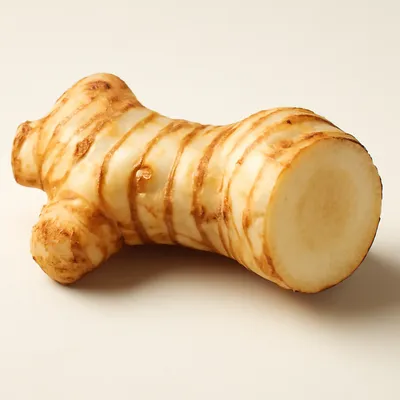
Pound paste in a stone mortar in this order: 8 dried red chiles (soaked, squeezed), 1 tsp salt, 6 garlic cloves, 4 shallots, 1 inch galangal, 1 tsp shrimp paste, 1 toasted tua nao disc — into a coarse rust-red paste.
Watch outUse the tua nao disc only after it's toasted — raw it smells like wet beans; toasted it goes nutty and miso-like, and that's the umami backbone of the whole broth.
- 29 min
Fry the paste in 3 tbsp pork lard or oil over medium heat 4 minutes until aromatic and the oil splits red. Add 400g minced pork; brown 5 minutes.
Watch outEnsure the oil is not too hot to prevent burning the paste.
- 360 min
Add 600g pork ribs, 8 quartered cherry tomatoes, 2 tbsp fish sauce, 1 tbsp dark soy. Cover with 2.5L water; simmer uncovered 60 minutes until ribs are tender and tomatoes have collapsed into the broth.
Watch outLet it go the full hour uncovered until the tomatoes collapse and melt into the broth — if they're still floating as chunks the soup hasn't come together yet.
- 410 min
Add 20g dried dok ngiao (cotton tree flowers, soaked 30 min and drained) and 200g cubed pork blood; simmer 10 minutes — the dok ngiao plumps and turns velvety, the blood firms.
Watch outSoak the dok ngiao before it goes in or it drinks up your broth and stays leathery — once soaked it plumps and turns velvety in about 10 minutes.
- 55 min
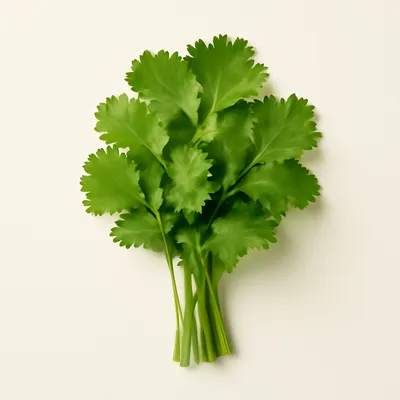
Blanch 600g fresh khanom jin (rice vermicelli) in hot water 10 seconds; coil into bowls. Ladle broth and solids over. Top with chopped pickled mustard greens, crispy fried garlic, sliced shallot, coriander, and a wedge of lime.
Watch outAvoid overcooking the vermicelli to prevent it from becoming mushy.
- 62 min
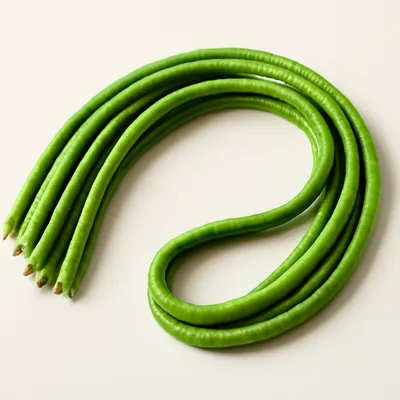
Serve with a side plate of bean sprouts, long beans, fresh chiles, and crispy pork rinds — diners tear and add as they eat.
Archive tool suggestions — not reviewed
These legacy suggestions have not been evidence-reviewed and are not presented as required tools.