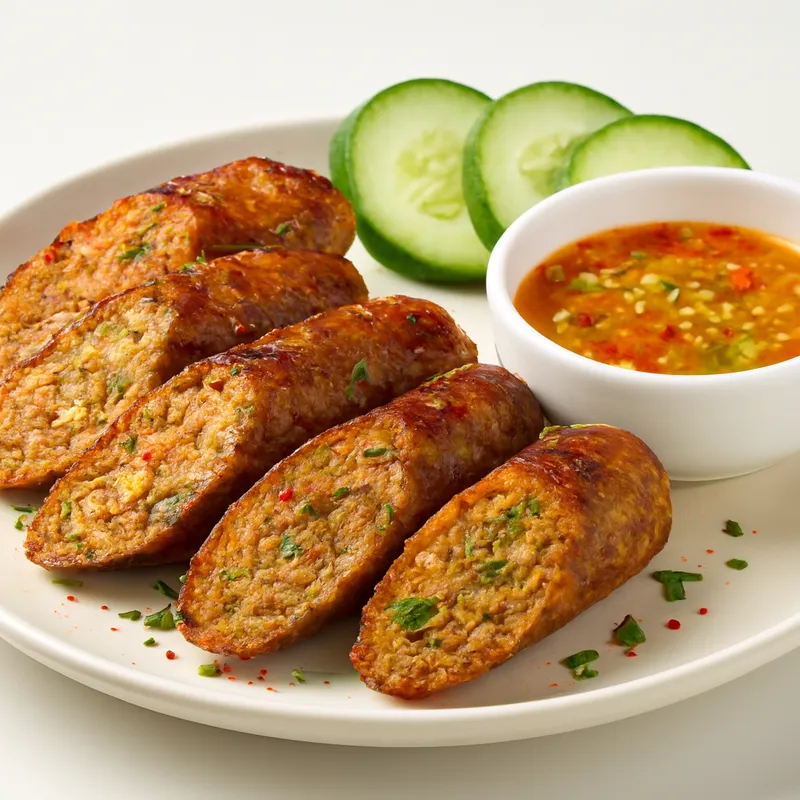
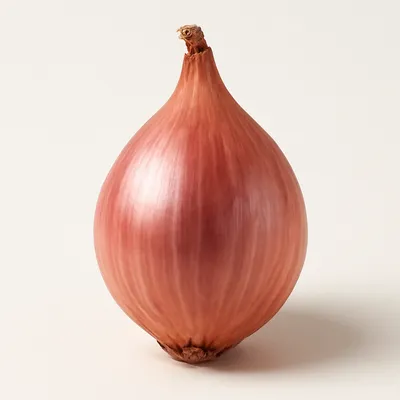
Mok pla is the Isaan way with fish in a banana-leaf parcel: chunks of freshwater fish folded with a pounded herb mix and steamed, with no coconut milk anywhere in sight. What sets it apart is the herbs — dill and lemon basil lead, with lemongrass, shallot, chili, and a handful of toasted sticky-rice powder to bind the juices into a moist, almost crumbly filling. It is rustic, green, and fragrant rather than rich, the leaf packet trapping the steam and the aroma until it is opened at the table.



Mok is a steamed-in-leaf technique shared across Isaan and Lao cooking, and the dill-forward fish version is specifically the northeastern one — northern Lanna cooks make a grilled cousin called aeb, and the southern-central hor mok is the coconut-and-curry-paste mousse. The Isaan mok keeps it lean: no coconut, the dill doing the heavy lifting on aroma. It is everyday home food of the Mekong basin with no fixed origin date, part of the same Lao-rooted larder as the region's grilled and pounded dishes.
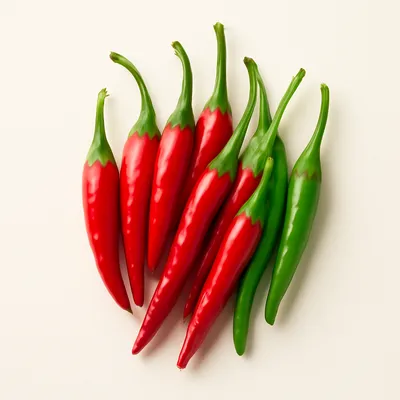
Soft, moist fish bound loose by the rice powder, threaded through with the anise-grass freshness of dill and the bright citrus of lemon basil. Lemongrass and kaffir lime leaf sharpen the back of it, chili gives a clean low heat, and the whole thing smells of green herbs and steamed banana leaf the moment the packet opens. Lean and aromatic where a coconut hor mok is rich and custardy — this one tastes of the herbs first.
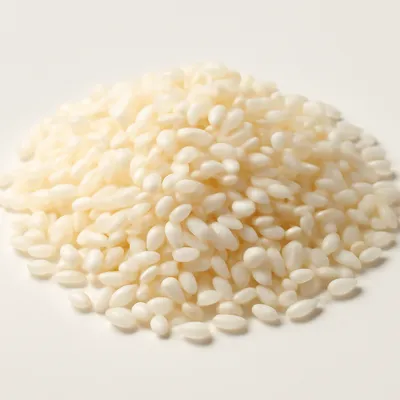
Steaming inside a banana leaf is a gentle, even heat: the leaf traps moisture so the fish poaches in its own juices and the herb liquid rather than drying out, and it perfumes the contents with a faint grassy aroma as the leaf heats. Pre-searing the leaf over a flame makes it pliable and seals it against leaks. The load-bearing trick is the toasted glutinous rice powder pounded into the paste — its starch swells in the steam and binds the released fish and herb juices into a moist, cohesive filling rather than a watery one, the same khao khua thickening that defines so much Isaan cooking. Without coconut cream to enrich it, the dish leans entirely on the pounded herbs for body and aroma.
Variations
The fish can be minced rather than chunked for a finer, more paste-like mok. Pork, chicken, or mushrooms and young jackfruit stand in for fish in related mok parcels. Some Isaan cooks add a little pla ra to the paste for deeper funk, or pile in more wild greens. The northern aeb is the grilled-not-steamed cousin; the central-southern hor mok adds coconut cream and red curry paste for a set custard — a quite different dish.
On the Palate
Where Mok Pla sits in the Thai flavor cloud
Ingredients
Serves 3

How it's made
6 steps · 30 min active + 20 min waiting
- 110 min
Cut cleaned freshwater fish into bite-size chunks and season lightly with fish sauce.
- 210 min
Pound sticky-rice powder, shallot, garlic, lemongrass, chili, and salt into a coarse paste in a mortar.
- 35 min
Tear in kaffir lime leaf and fold the paste through the fish along with plenty of dill, lemon basil, and spring onion.
- 410 min
Soften banana leaves over a flame, then spoon the mixture into the centre and fold into a sealed parcel, pinning with toothpicks.
Watch outSear the banana leaf over a flame just until it turns glossy and pliable — a stiff leaf cracks at the fold and the parcel leaks its juices while steaming.
- 518 min
Steam the parcels over high heat until the fish is just cooked and the filling has set moist, about 15 to 20 minutes.
Watch outPull the parcels when the fish is just set and the filling holds together moist; over-steam and the toasted-rice binding tightens and the filling goes dry.
- 61 min
Open the packet at the table and serve hot with sticky rice.
Archive tool suggestions — not reviewed
These legacy suggestions have not been evidence-reviewed and are not presented as required tools.