
A Malay-Muslim composed rice plate built on rice steamed blue with butterfly-pea flowers, then heaped with a fistful of finely sliced raw herbs, bean sprouts and long beans, fried or grilled fish, toasted grated coconut, fish crackers and a spoon of fermented-anchovy budu. Everything is tossed together at the table — kerabu means a herb-and-vegetable salad. The cobalt rice is the signature, but the dish lives on the contrast of cool herbs, sweet toasted coconut and the deep salt-funk of budu. In Thailand it belongs to the deep-south provinces of Pattani, Narathiwat and Yala, kin to Malaysian Kelantan across the border.
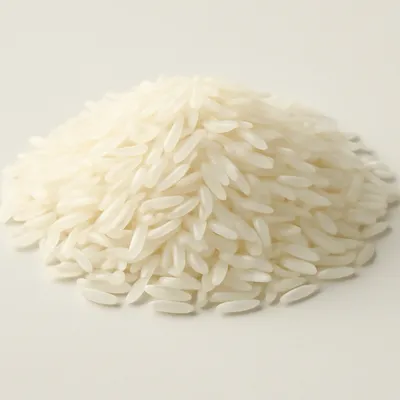



Nasi kerabu is a signature of Malaysia's east coast, above all Kelantan, where the herb-rich Malay table built around ulam (raw herbs), budu and fresh vegetables is everyday eating; it is documented as a Kelantanese heritage dish. The same plate is native to the Thai deep south — Pattani, Narathiwat, Yala — whose Malay-Muslim community shares Kelantan's language, cooking and pantry. The blue rice is colored with butterfly-pea (Clitoria ternatea) petals, a long-standing Southeast Asian natural dye; white, turmeric-yellow and herb-green versions exist too. It is a regional Malay tradition straddling the border, not a central-Thai invention.
The blue rice is cool and almost flavor-neutral, a canvas; what hits is the herb pile — finely shredded raw kaffir-lime leaf, lemongrass, wild betel leaf, mint and torch ginger, sharp and green and a little numbing. The toasted coconut brings sweet nuttiness, the fried fish savory weight, the crackers crunch, and over all of it the budu lands like an anchovy thunderclap: dark, salty, fermented, faintly sweet from the palm sugar cut into it. Tossed together it is bright, pungent, cooling and deeply savory all at once, every forkful slightly different.
The rice turns blue because butterfly-pea petals release anthocyanin pigments, water-soluble plant colors that bind to the grains during steaming; the same pigments shift toward purple if anything acidic touches them, which is why the squeeze of lime goes on at the table, not in the pot. Budu carries the dish's umami: anchovies packed in salt and left to ferment for months break down through fish and microbial enzymes into free glutamate and aspartate, the savory amino acids, with palm sugar and tamarind stirred in to darken and round it. The herbs must be sliced fine and raw so their volatile oils stay sharp; cooking them would flatten the whole point of a kerabu.
Variations
Besides the blue, the rice is also made plain white, turmeric-yellow or green; some cooks color it with other edible flowers. The fish may be fried, grilled or pounded into a dry coconut floss (serunding); solok lada (stuffed chilies) and salted egg are common add-ons. The Thai deep-south version overlaps closely with Kelantan's; central-Thai cooks sometimes lighten the budu or swap in a milder fermented sauce.
On the Palate
Where Nasi Kerabu Pattani sits in the Thai flavor cloud
Ingredients
Serves 4
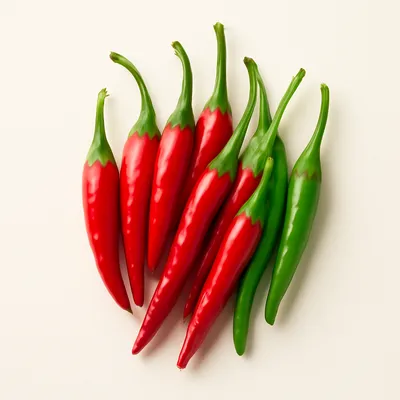

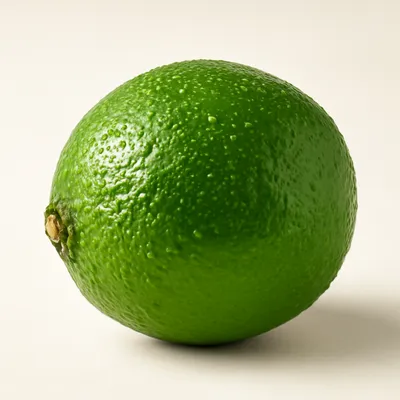
How it's made
7 steps · 50 min active + 25 min waiting
- 115 min
Steep butterfly-pea flowers in hot water until deeply blue, strain, and use the liquid to cook the rice.
Watch outSteep the butterfly-pea flowers until the water is a deep, saturated blue before you cook the rice — pale water gives washed-out grains.
- 225 min
Steam the rice in the blue water until tender; fluff and cool to room temperature.
- 38 min
Toast grated coconut in a dry pan until golden and fragrant.
- 415 min
Finely slice the raw herbs — kaffir lime leaf, lemongrass, mint, wild betel leaf — plus bean sprouts and long beans.
- 512 min
Fry or grill the fish until crisp and cooked through.
- 65 min
Stir palm sugar and a little tamarind into the budu to taste.
- 75 min
Plate the blue rice, surround with herbs, coconut, fish and crackers; spoon budu over and toss at the table with a squeeze of lime.
Watch outKeep the lime for the table, not the pot — the moment acid touches the blue rice it shifts toward purple.
Archive tool suggestions — not reviewed
These legacy suggestions have not been evidence-reviewed and are not presented as required tools.


