
A Thai-Chinese seafood-restaurant signature: whole prawns laid over a bed of glass noodles in a lidded clay pot, baked over the burner with soy sauce, ginger, garlic, white pepper, coriander root and a splash of stock until the noodles drink up every drop of prawn-and-aromatic liquor. The pot comes to the table sealed; lifting the lid releases a cloud of pepper-and-ginger steam. There is no chili — this is a fragrant, peppery braise rather than a spicy one, and the noodles, not the prawns, are the prize.
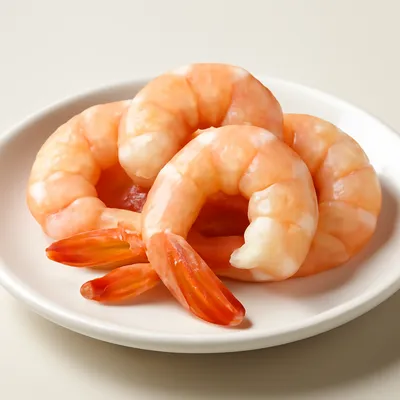





Goong ob woon sen is a staple of Thailand's Thai-Chinese seafood houses, and its building blocks are plainly Chinese: ob (to bake in a covered clay pot, the claypot-rice technique of southern China), woon sen (mung-bean glass noodles), light and dark soy, ginger and white pepper. It is the kind of dish that defines the menu of a Bangkok or coastal seafood restaurant rather than a street cart, since it wants live prawns and a tabletop clay pot. No datable origin is recorded; it reads as a Sino-Thai restaurant creation built on the southern-Chinese claypot method, seasoned to a Thai pepper-and-coriander-root profile. Pork fat or a slab of pork belly under the noodles is a common touch that signals the Chinese kitchen.
The prawns sit glossy and curled on top, shells stained amber from the soy, their heads heavy with roe-rich fat. But the first thing you reach for is the noodles beneath — slippery, springy, the colour of weak tea, each strand saturated with a savory-sweet liquor of soy, ginger heat and white-pepper warmth. There is no chili burn; instead a deep, comforting peppery fragrance and the clean sweetness of the prawn juices that have dripped down into the pot.
The clay pot is the whole device. It heats slowly and holds heat evenly, and the tight lid traps steam so the dish cooks by a covered braise-steam — the prawns gently poach in their own juices while the glass noodles, pre-soaked just to pliable, swell as they absorb the soy-and-stock liquor from below. Glass noodles are ideal here because they are nearly flavorless and act like a sponge, taking on whatever they sit in. Timing is everything: lift the lid the moment the prawns turn opaque, or they toughen. The aromatics — bruised ginger, garlic, coriander root, a heavy hand of cracked white pepper — go in dry around the noodles so the steam carries their oils through the pot, and a knob of pork fat or oil keeps the noodles from clumping.
Variations
Crab (puu ob woon sen) or a mix of seafood can stand in for prawns. Many cooks lay strips of pork belly or a spoon of rendered pork fat under the noodles for richness; some add a beaten egg, sesame oil, or a splash of Shaoxing-style rice wine. The seasoning stays in the soy-ginger-pepper family — chili is not traditional, though a chili-garlic dip may come alongside. A drier, more caramelized pot versus a wetter, saucier one marks the difference between two house styles.
On the Palate
Where Goong Ob Woon Sen sits in the Thai flavor cloud
Ingredients
Serves 3
How it's made
8 steps · 20 min active + 15 min waiting
- 115 min
Soak glass noodles in warm water until pliable but not soft, then drain.
Watch outSoak the glass noodles only until pliable, not soft — they'll finish swelling in the pot as they drink the sauce; soaked soft, they turn to mush.
- 25 min
Bruise ginger and garlic; pound coriander root with white peppercorns into a rough paste.
- 33 min
Mix soy sauces, oyster sauce, a little sugar and stock for the seasoning liquid.
- 43 min
Smear oil or lay pork fat in the bottom of a clay pot; spread the noodles over it.
- 52 min
Pour the seasoning liquid over the noodles and scatter the aromatics on top.
- 62 min
Arrange whole prawns over the noodles and cover with the lid.
- 710 min
Set the pot over medium heat and bake-steam, sealed, about 8-10 minutes until prawns turn opaque and noodles absorb the liquid.
Watch outLift the lid the moment the prawns turn opaque — hold them longer and they toughen; the sealed pot cooks fast.
- 82 min
Finish with white pepper, coriander and spring onion; bring the covered pot to the table and open at the table.
Archive tool suggestions — not reviewed
These legacy suggestions have not been evidence-reviewed and are not presented as required tools.


