
A gentle Chinese-Thai braise of hard-boiled eggs, pork belly, and tofu (often fried) stewed slowly in a dark, lightly sweet soy broth scented with cinnamon, star anise, and five-spice, usually with cilantro root, garlic, and white pepper. It is mild, comforting home and rice-shop food — no chili — eaten over rice with the braising liquid spooned generously on top. The eggs take on a marbled tea-brown skin and the pork turns meltingly soft in the spiced soy.





Khai palo is a Thai-Chinese dish whose name and method come from the southern-Chinese soy-braise (lou / Teochew "lo"), brought by Teochew and Hokkien migrants and adapted to Thai tables; "palo" derives from a Chinese five-spice braising tradition, and the dish is a close Thai cousin of Chinese soy-stewed eggs and pork. It has no single inventor and is everyday comfort food — cooked in a big pot at home and ladled out over several days, and sold as a standard at Thai-Chinese rice shops. The five-spice blend (built on star anise, cinnamon, clove, fennel, and Sichuan or white pepper) is the Chinese signature carried intact into the Thai kitchen.
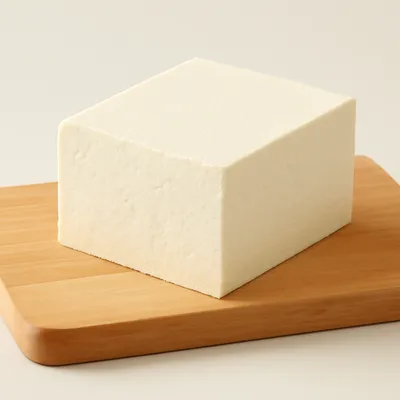
Sweet-savory and deeply aromatic — cinnamon and star anise lead, soy gives the salt-and-color, and palm sugar rounds it with a soft caramel sweetness. The egg white is firm and stained brown, the yolk just-set; the pork belly is tender with a wobble of soft fat, and the fried tofu, spongy inside, drinks up the broth like a sponge. There is no heat at all — this is the calm, brown-sweet end of the Thai table, all comfort and warmth. The broth should taste rounded and fragrant, never one-note salty.
Two mechanisms define palo. First, the caramel: palm or rock sugar is melted to a deep amber before the soy and water go in, and that browned sugar gives both the rich color and a roasted-sugar depth that soy alone can't supply — burning the sugar first is the move. Second, the long, low braise: gentle simmering slowly breaks down the collagen in the pork belly into gelatin so the meat turns silky, while the eggs and tofu sit in the liquid long enough to absorb its color and spice by diffusion. The whole spices (cinnamon bark, star anise, often toasted in a five-spice blend with cilantro root and garlic) release fat-soluble aromatics into the broth over time; pounding the cilantro root and garlic first opens them up. Frying the tofu first sets a skin that keeps it from disintegrating and gives the inside an open, broth-soaking texture.
Variations
Common additions are pork hock or belly with skin, deep-fried or pressed tofu, and sometimes chicken, offal, or fried fish; some cooks add a handful of shiitake or a knot of pickled mustard greens. The sweetness and darkness vary by household — some run it sweeter and stickier, others lighter and more savory. A purely egg-and-tofu version makes a frugal weeknight pot, while a richer one is built around a generous amount of fatty pork belly and a whole hock.
On the Palate
Where Khai Palo sits in the Thai flavor cloud
Ingredients
Serves 4

How it's made
6 steps · 20 min
- 120 min
Hard-boil and peel the eggs; cut pork belly into chunks; deep-fry the tofu until golden and set aside.
- 25 min
Pound cilantro root, garlic, and white pepper into a rough paste.
- 35 min
Melt palm sugar in oil over low heat until deep amber, then add the pounded paste and fry until fragrant.
Watch outMelt the palm sugar to a deep amber before the soy goes in — that browned-sugar edge is the whole color and depth; pull it just before it smells burnt.
- 45 min
Add the pork, sear briefly, then pour in soy sauce, water, cinnamon, and star anise and bring to a simmer.
- 575 min
Simmer gently until the pork is tender, then add the eggs and fried tofu and braise until colored and infused.
Watch outKeep it at a bare simmer, not a boil — gentle heat turns the pork belly silky; a hard boil toughens the meat and clouds the braise.
- 63 min
Taste and adjust the sweet-salty balance, and serve over rice with plenty of the braising liquid.


