
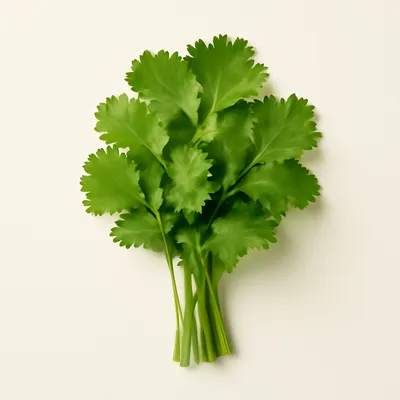
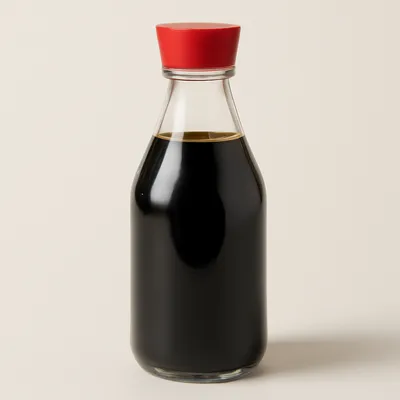
Phuket's defining home dish — cubes of pork belly braised low and slow in dark soy, palm sugar, garlic, white pepper, and pounded cilantro root until the meat goes meltingly soft and the sauce turns to a glossy mahogany lacquer. It is the Hokkien table's everyday braise rather than a curry: gently sweet, deeply savory, barely spiced, built for spooning over hot rice. A whisper of star anise or five-spice may go in, but Moo Hong is the restrained, soy-forward cousin of the more heavily spiced, egg-laden moo palo. On Phuket it appears at family meals, temple offerings, and the island's Peranakan feasts.




Moo Hong is an honest Hokkien-Phuketian dish, carried south by Fujianese migrants who poured into Phuket during the tin-mining boom of the nineteenth and early twentieth centuries, many arriving by way of Penang and the Straits Settlements. It belongs to the same Hokkien soy-braise family as Penang and Singapore's tau yu bak (「soy-sauce pork」), reworked on the island with palm sugar and the pounded cilantro root and white pepper that mark southern Thai cooking. The name 「hong」 traces to the Hokkien term for this style of dark soy braise. It is a cornerstone of Phuket's Baba (Peranakan) cuisine — the Chinese-Malay-Thai blend that grew up among the island's mixed merchant families — and remains the dish locals name first when asked what Phuket tastes like.
Each cube is a soft stack of layers: a yielding cap of fat that has all but dissolved, a band of gelatinous skin, and tender lean beneath, the whole thing dyed dark amber and slick with sauce. The flavor is sweet-savory and rounded, with the warm back-note of white pepper and garlic and only the faintest spice. The sauce is thick enough to coat a spoon and clings to the rice. Done right there is no chew left in the fat at all — it gives way like custard.
The transformation is collagen chemistry. Pork belly is laced with connective tissue; held at a low simmer for a couple of hours, that collagen hydrolyzes into gelatin, which is what makes the meat fall-apart soft and gives the cooled sauce its lip-coating body. Browning the palm sugar to a light caramel before the liquid goes in builds color and a bittersweet depth that plain sugar cannot; the dark soy then layers on its own fermented, malty color and umami. Pounded cilantro root and white pepper are added early so their aromatics penetrate the fat as it renders. The braise is kept barely bubbling and largely uncovered toward the end, so the sauce reduces and the sugars concentrate into that signature glaze rather than staying watery.
Variations
The closest relative is moo palo (khai palo), which leans harder on five-spice and adds hard-boiled eggs and often tofu and the braise is thinner; Moo Hong stays soy-forward and short on spice. Some Phuket cooks add a star anise pod or a little five-spice, others none at all. Pork shoulder or trotter can stand in for, or join, the belly, and braised eggs are a common addition for a heartier pot. It is almost always eaten with plain rice, sometimes alongside other Baba dishes like crab curry.
On the Palate
Where Moo Hong sits in the Thai flavor cloud
Ingredients
Serves 4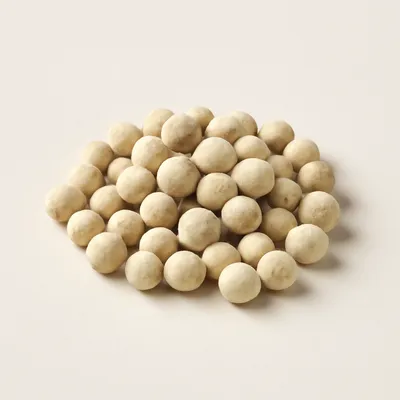
How it's made
8 steps · 30 min
- 110 min
Cut pork belly into large bite-size cubes, keeping skin and fat on.
- 25 min
Pound cilantro root, garlic, and white peppercorns into a coarse paste.
- 36 min
Melt palm sugar in the pot over low heat until it turns a light caramel.
Watch outTake the palm sugar just to a light caramel — that bittersweet edge is the backbone of the color and flavor, but a shade too dark turns it acrid.
- 45 min
Add the pounded paste and fry briefly, then add the pork and turn to coat and brown.
- 54 min
Pour in dark soy sauce, a little light soy, and water to almost cover; bring to a gentle simmer.
- 6120 min
Braise low and slow for about two hours, turning occasionally, until the meat is meltingly tender.
Watch outKeep the braise at a bare bubble for the full two hours — that slow, gentle heat is what melts the collagen and makes the belly fall-apart soft.
- 715 min
Uncover toward the end and reduce until the sauce is glossy and clings; adjust sweet and salt.
Watch outReduce at the end just until the sauce turns glossy and clings to the meat — that sheen is the gelatin, and the signal to stop.
- 82 min
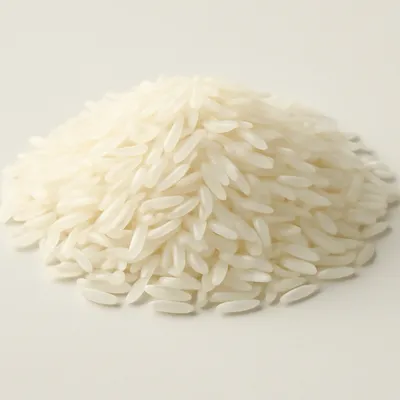
Serve hot over jasmine rice.


