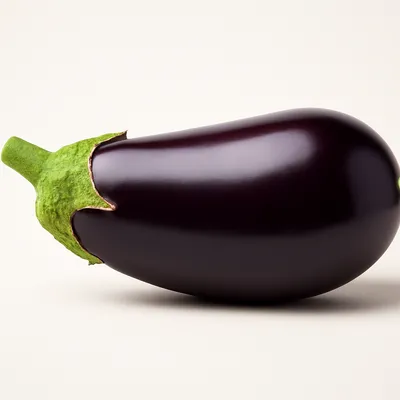
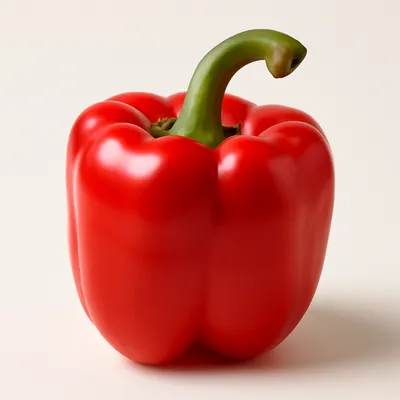
A Diyarbakır lamb-and-vegetable stew defined by two things: a great deal of garlic, and a tart, sour edge that comes from sumac. Chunks of lamb simmer with eggplant — the classic and most famous form — along with tomato, long green peppers and clarified butter, all soured with a sumac infusion rather than dry powder. A pounded raw-garlic sauce, loosened with the stew's own hot juices, is stirred in at the end. The result is rich, sour and intensely garlicky.




Meftune is a speciality of Diyarbakır, with related traditions in nearby Mardin and Siirt — the latter prized for its high-quality sumac. The name derives from the Arabic maftūn, meaning captivated or bewitched; cooks like to say the dish is so good it leaves you infatuated, though that is a folk explanation of the word rather than documented history. It appears in Ottoman-era cookery texts, but no firm founding date can be given. The dish carries protected geographical-indication status; the flagship eggplant form, Diyarbakır Patlıcan Meftunesi, was registered with Turkey's patent office in 2022. It is also known in Kurdish as tırşik, from a root meaning 'sour'.
The stew is deeply savoury and unmistakably sour — the sumac gives a clean, fruity tartness quite unlike vinegar or lemon, more rounded and faintly astringent. Eggplant turns silky and soaks up the lamb's fat; the meat is tender, the long peppers add a mild warmth. Above all it is garlicky: the raw-garlic sauce stirred in at the end keeps a pungent bite that the cooked garlic in the pot can't match. Eaten with rice or flatbread, it is bold, bright and satisfying.
The sourness comes from whole sumac berries, not powder: they are steeped in warm salted water, then strained, and the tart infusion is simmered into the stew so the sourness saturates everything from within rather than sitting on the surface. This is the technique the traditional recipe specifies, and it gives a cleaner, deeper acidity than scattered dry sumac. The raw-garlic sauce is added only at the end and loosened with the dish's own hot juices, because cooking would mellow the garlic's sharp, volatile compounds — stirring it in off the heat keeps that pungency alive. Eggplant is often salted or pre-fried so it cooks down to silk and drinks up the fat.
Variations
Eggplant is the canonical and best-known meftune, but the vegetable rotates with the seasons: winter squash, spring kenger (wild thistle) and fava beans, summer peppers. Mardin has a version made with dried eggplant rather than fresh. The sourness can come from sumac or, in some kitchens, from koruk (unripe-grape verjuice). Diyarbakır's patent office holds several meftune registrations for these different vegetable forms. The constant across all of them is the heavy garlic and the sour finish.
On the Palate
Where Meftune sits in the Turkish flavor cloud
Ingredients
Serves 6

How it's made
6 steps · 40 min active + 50 min waiting
- 120 min
Steep whole sumac berries in warm salted water for about 20 minutes, then strain and reserve the tart infusion.
Watch outSteep the whole sumac berries in warm salted water, then strain — this tart infusion is what carries the sourness deep into the stew; dry powder just sits on top.
- 215 min
Brown cubed lamb in clarified butter, then add chopped onion and tomato paste and cook down.
- 38 min
Add the eggplant (salted or lightly fried first) and long green peppers, and pour in the sumac infusion.
- 445 min
Simmer gently until the lamb is tender and the eggplant is silky, about 45 minutes.
- 58 min
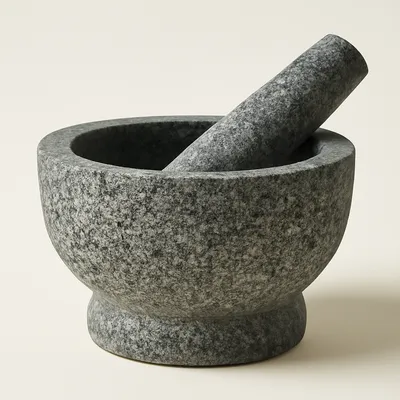
Pound raw garlic with salt into a paste, loosen it with a little of the hot cooking liquid, and stir it through off the heat.
Watch outStir the raw-garlic paste in off the heat — let it cook and the sharp, volatile pungency mellows away and you lose the whole point of it.
- 65 min
Rest a few minutes and serve with rice or flatbread.
Archive tool suggestions — not reviewed
These legacy suggestions have not been evidence-reviewed and are not presented as required tools.