The lush, gamey allure of lamb makes it the crown jewel of any meal.
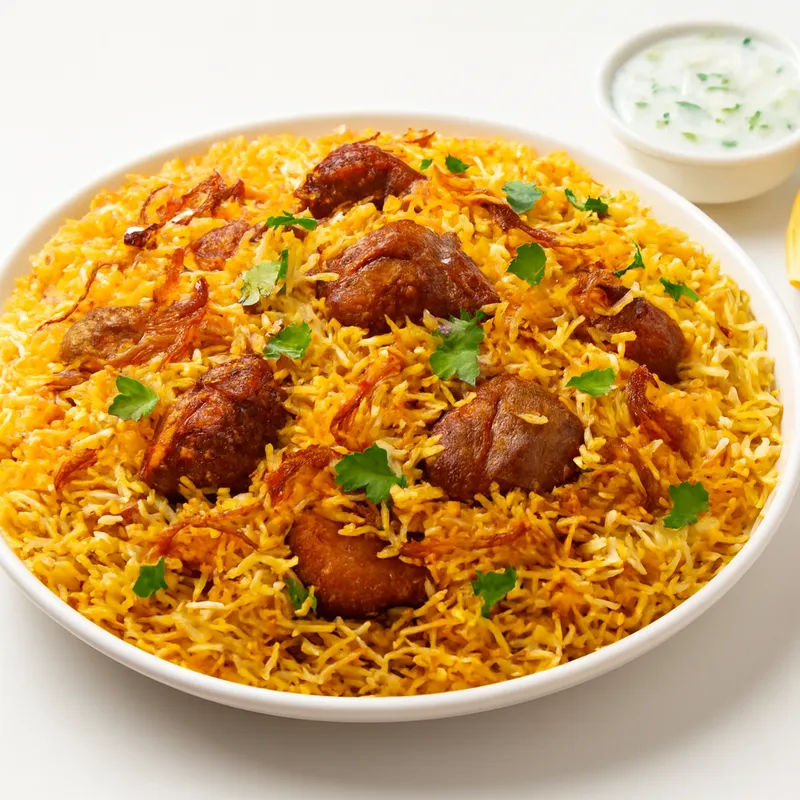
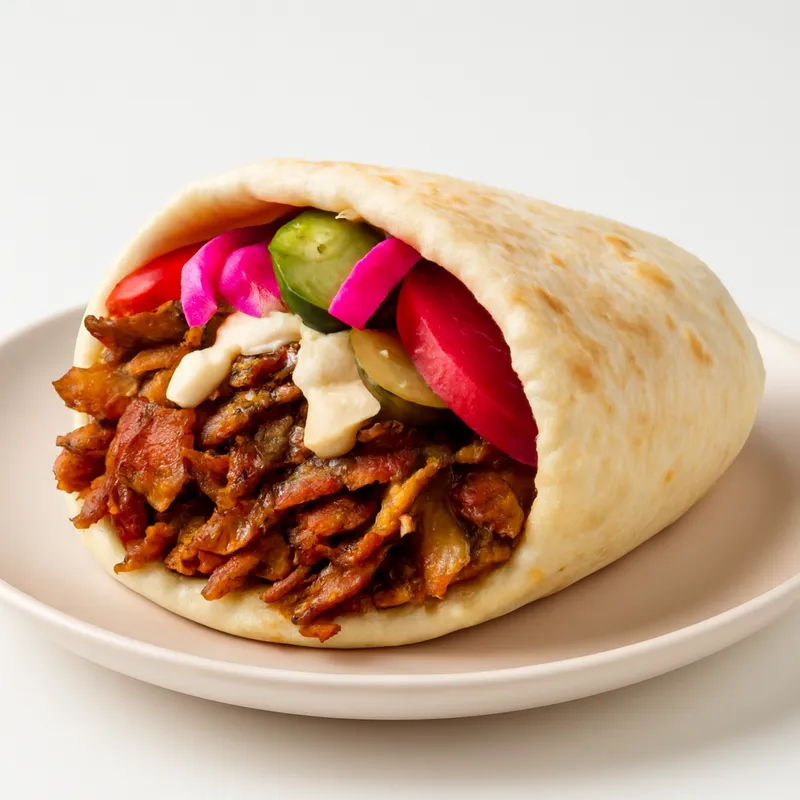
Succulent, tender meat with a rich flavor; lamb offers a distinct, gamey taste that is cherished in many culinary traditions. It is particularly prominent in Mediterranean, Middle Eastern, and Indian cuisines.
Where it comes from
Lamb has been a part of human diets for thousands of years, revered in many cultures for its flavor and symbolic significance during feasts and celebrations.
In the kitchen
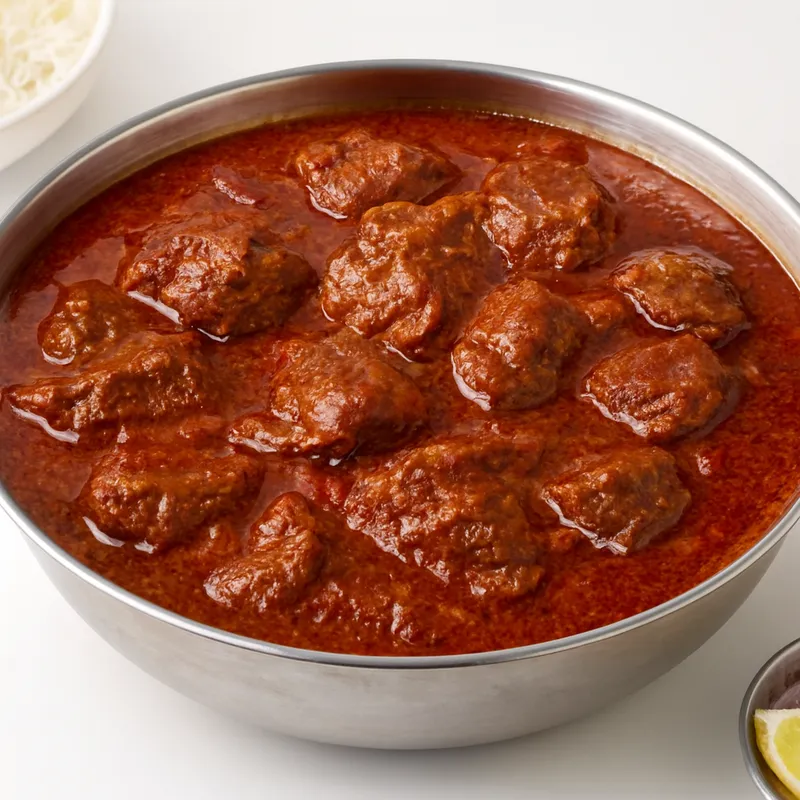
Lamb is often roasted, grilled, or stewed, adding a rich, savory quality that pairs beautifully with bold spices and herbs.
Across cuisines
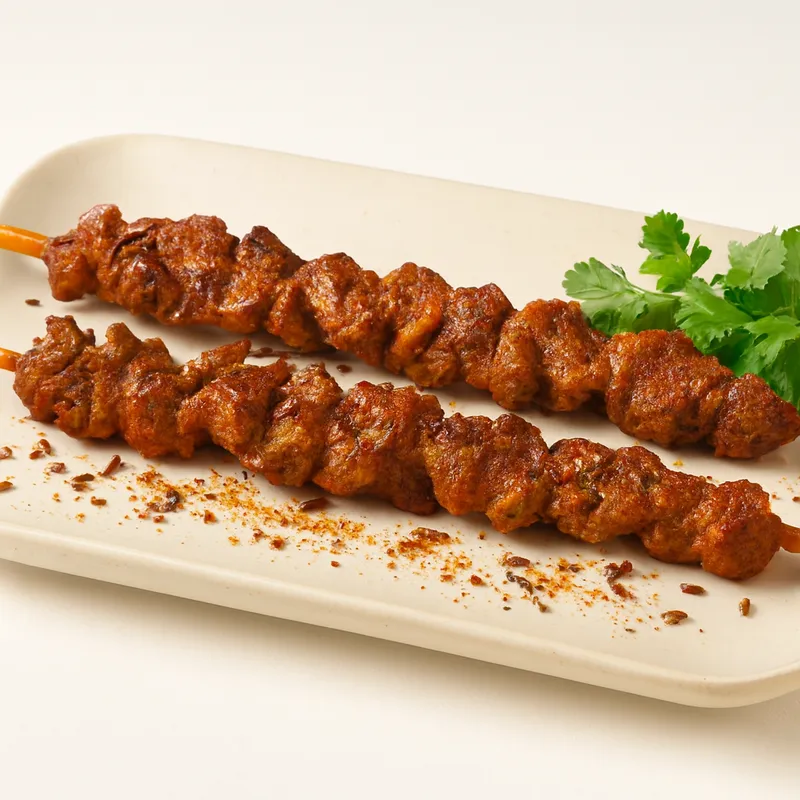
Uyghur cuisine prominently features lamb marinated in a blend of spices such as cumin, chili, and garlic. The meat is often skewered and grilled over open flames, as seen in kawap. This method imparts a distinct smoky flavor and tender texture to the lamb.
Lamb is the dominant Afghan meat, used in kebabs (kabab chopan, lola kabab), polo, stews, and meatballs (kofteh herati). The fat-tail variety — dunba — provides the rendering fat that self-bastes shoulder cubes on the charcoal grill. Beef and chicken appear but are secondary.
Lamb is the iconic Australian meat — the country has more sheep than people (across the southeast and Tasmania), and lamb backstrap is the modern Australian fine-dining centerpiece. Pan-seared, served medium-rare with native-spice rubs (wattleseed, lemon myrtle, mountain pepper). The Australian-bred Suffolk and Merino crossbreeds give a less gamy flavor than European lamb.
Nutrition (per 100g)
AI-estimated; model and run unavailable.
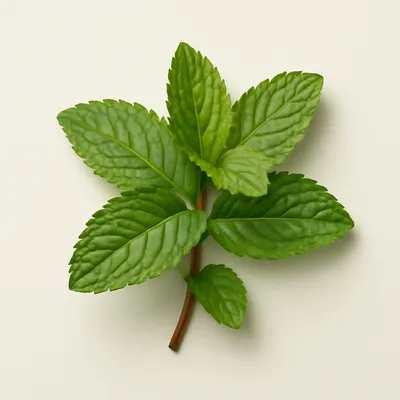
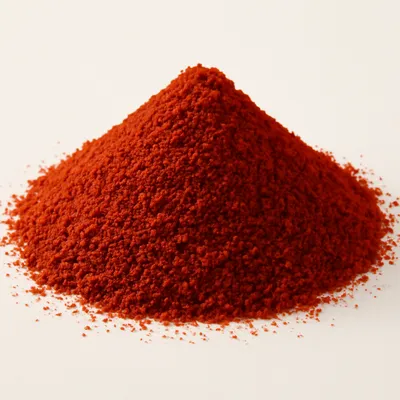
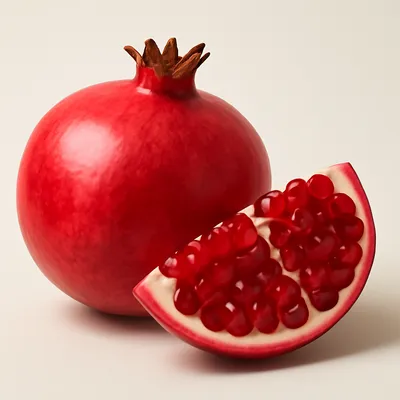
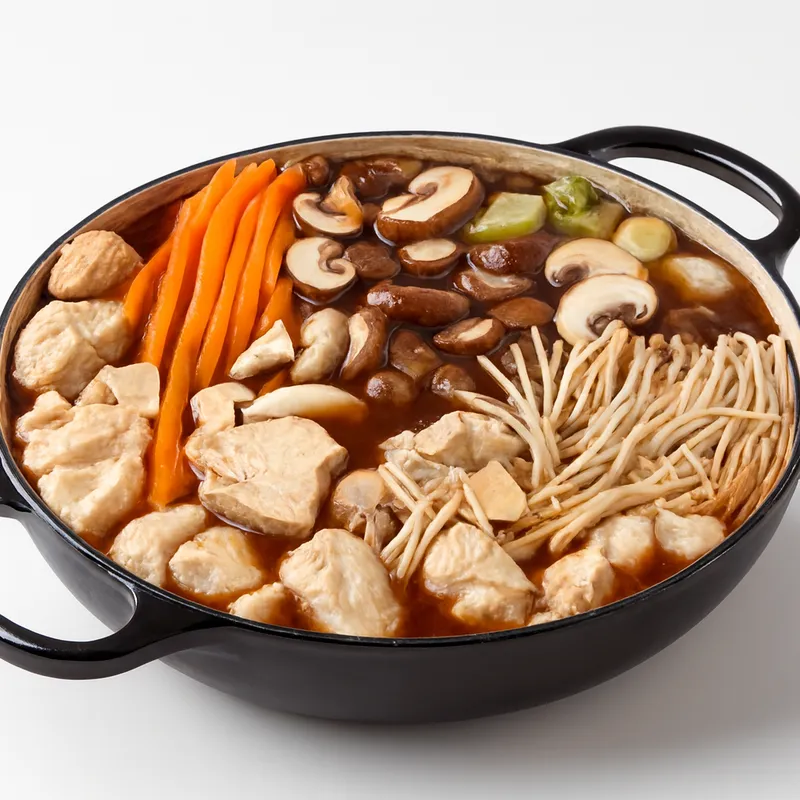
Pairs well with