

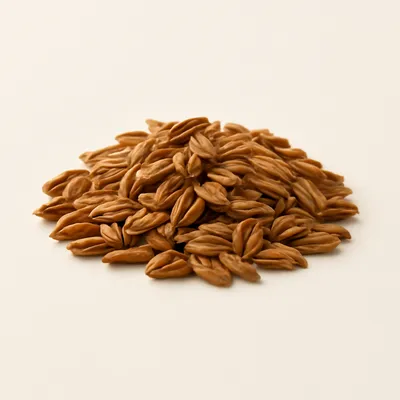

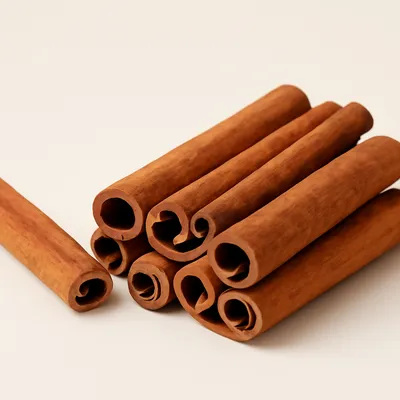
Direct descendant of Ottoman döner kebab, invented in Bursa in the 1860s by Iskender Efendi, who first stood the spit vertical so fat dripped down rather than off. "Shawarma" is the Levantine Arabic version — from the Turkish çevirme, "turning." The dish spread from the Ottoman heartland through Greater Syria and Egypt in the late 19th and early 20th centuries; today's tahini-and-pickle dressing is a Levantine adaptation.
A street food icon, this dish is all about the spices and the slow-roasted meat that beckons for a bite.
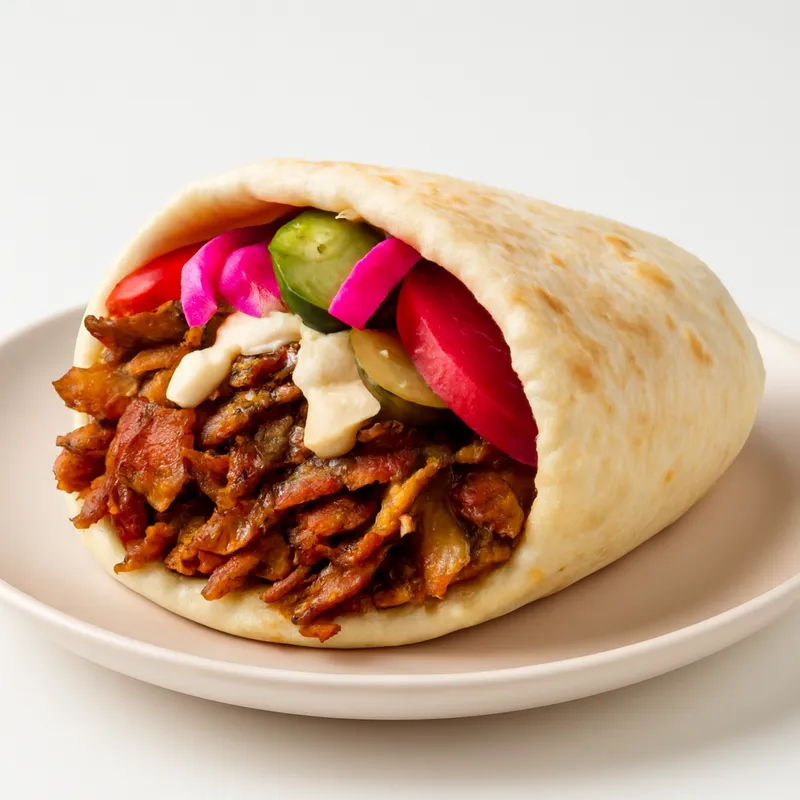
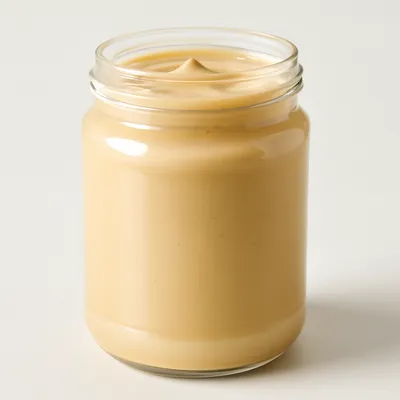
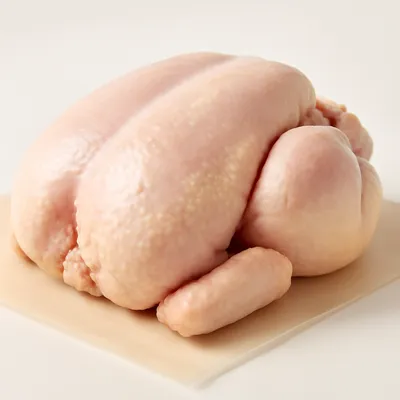
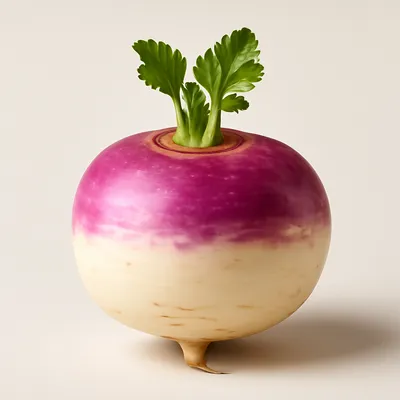
Thin shavings of meat — lamb, chicken, or mixed — sliced from a vertical rotating spit, the outer layer crisped by the gas or charcoal flame, the inner layer just-cooked and dripping. Wrapped in pita or laffa with tahini, pickled turnip, tomato, parsley, raw onion. The crisp-to-soft ratio is the test: every bite should have at least one shaved-edge piece.
The vertical spit is engineered for self-basting — fat from the upper layers melts down through the lower meat as it rotates, which is why each shave should hit fat-and-lean together. A spit packed with all-lean cuts dries out by the second carve. Real shawarma also requires the carver to slice continuously as orders come, not pre-shave a pile — the meat's value is in those thirty seconds between blade and bread.
Variations
Lebanese (lamb + tahini-garlic); Egyptian (with tomato + tahini); Turkish döner (with yogurt); Greek gyro is the cousin; Persian shawarma is sweeter and uses saffron.
On the Palate
Where Shawarma sits in the Lebanese flavor cloud
Layer fat between the lean as you stack the skewer — the melting fat bastes the meat below it as the spit turns, and an all-lean stack dries out and goes stringy by the second carve.
Ingredients

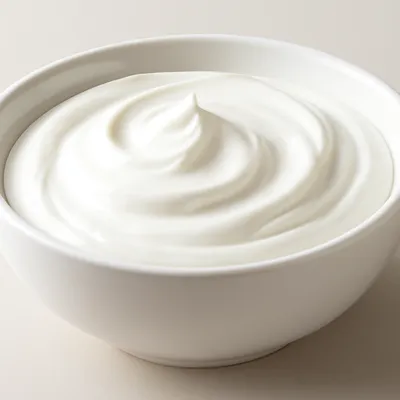
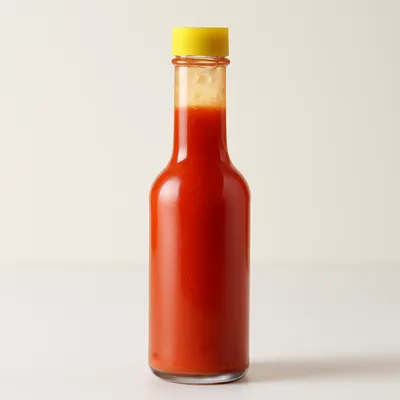









How it's made
4 steps · 1 hour 30 min active + 30 min waiting
- 110 min
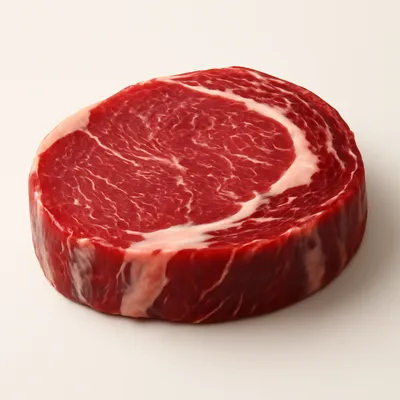
Slice the lamb, beef, or chicken into thin, even pieces. In a large bowl, combine the meat with cumin, turmeric, cinnamon, and lemon juice. Massage the spices into the meat, ensuring every piece is coated. Let it marinate for at least 30 minutes to absorb the flavors.
Watch outMassage the spice paste in until every piece is fully coated and slick — dry patches will taste bland after roasting.
- 215 min
Thread the marinated meat slices onto a skewer, alternating with small pieces of fat for added juiciness. Stack them tightly to form a compact mass. Secure the top and bottom to prevent slipping.
- 360 min
Position the skewer on a motorized spit in front of a gas or electric heat source. Allow it to rotate slowly, roasting the meat evenly. The outer layer should become golden and slightly crisp.
Watch outThe turning outer layer should go deep golden and just crisp at the edges — that's the surface ready to shave.
- 45 min
Using a long, flat knife, shave off the cooked outer layer of meat. Slice thinly to maintain tenderness and flavor. Serve immediately in pita or lavash with garlic tahini sauce and fresh vegetables.
Watch outShave thin, and only the browned outer layer — go too deep and you drag up pale, undercooked meat from within.
Archive tool suggestions — not reviewed
These legacy suggestions have not been evidence-reviewed and are not presented as required tools.