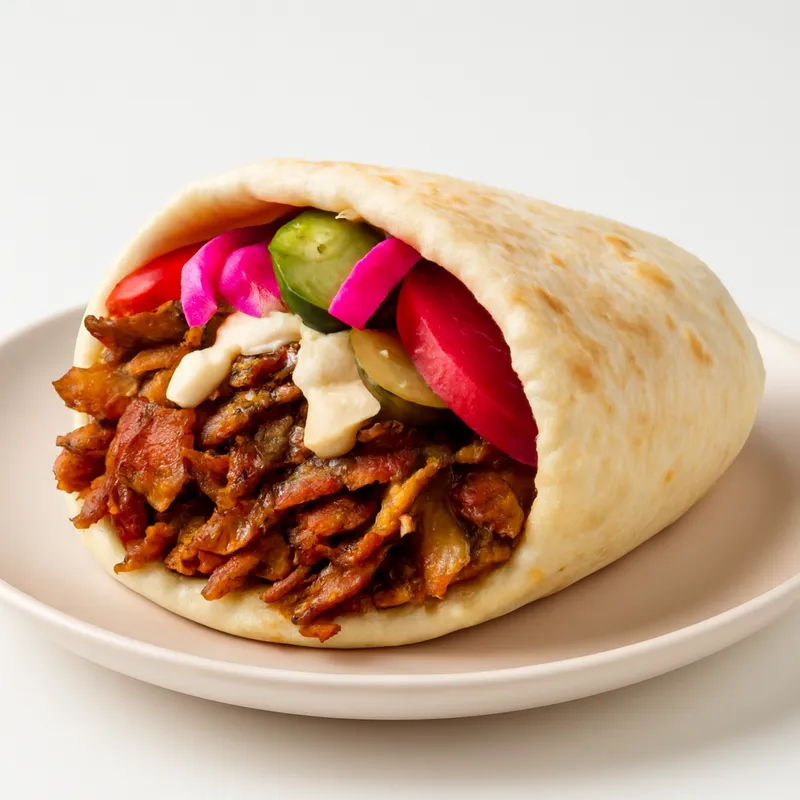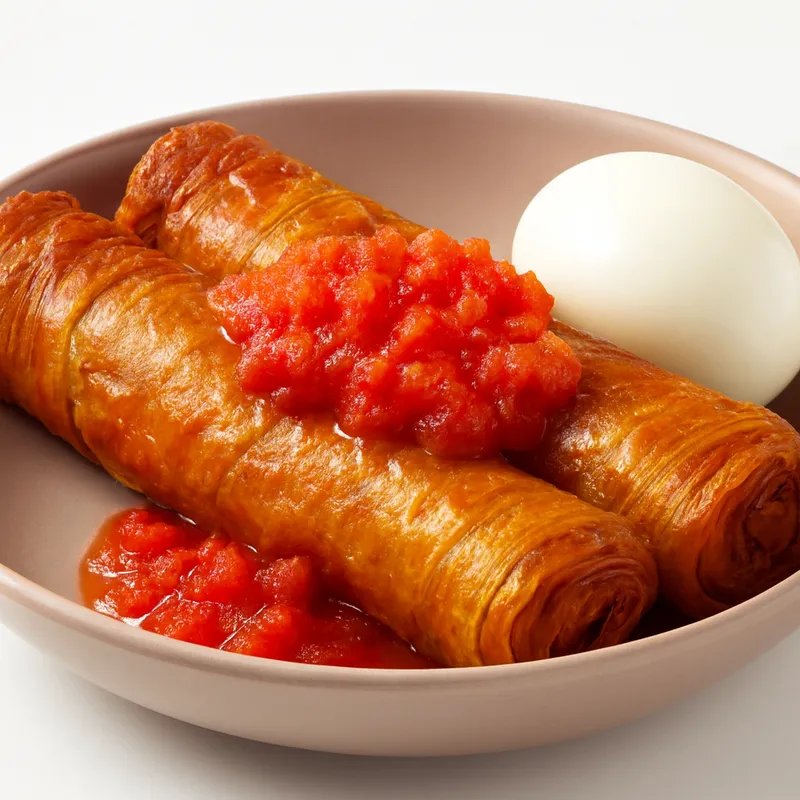


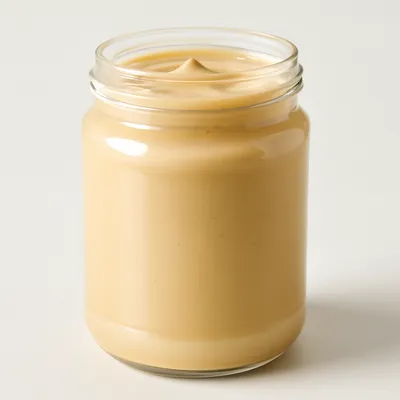

Brought to Israel by Iraqi Jews after the 1950–51 mass migration (Operation Ezra and Nehemiah). The fillings recreate a Saturday-morning Iraqi-Jewish breakfast — egg, fried aubergine, salad — which couldn't be cooked on Shabbat, so it was prepared Friday and eaten cold. The pita-pocket reformatting happened in Ramat Gan in the 1960s when Iraqi-Israeli vendor Sabich Halabi started selling it from a stall.
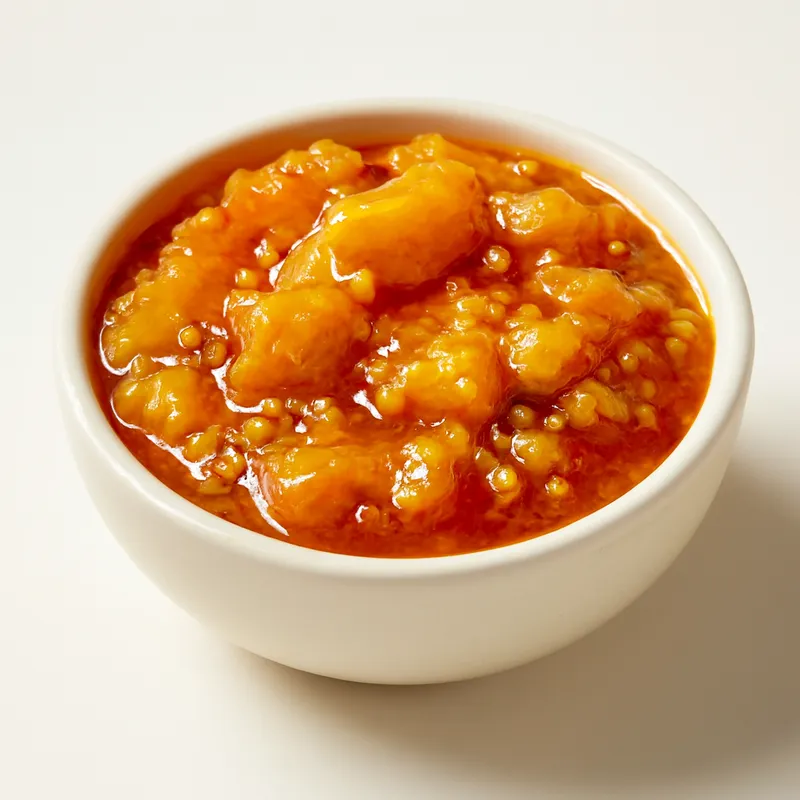
Iraqi Jewish Saturday breakfast that arrived with the 1950–51 Operation Ezra and Nehemiah migration; Sabich Halabi opened the Ramat Gan stall in the 1960s that pita-pocketed it. Amba — fenugreek-and-turmeric pickled-mango sauce, originally an Indian condiment via Basra port — is the load-bearing ingredient.
A pita stuffed in a fixed order: fried eggplant slices, a hard-boiled egg sliced thick, Israeli salad (cucumber-tomato-onion diced fine), tahina, amba (pickled-mango sauce, sour and sulfurous), parsley, sometimes hummus on the bread. Eaten standing. The egg yolk should still be slightly soft; the eggplant must be fried enough to collapse, not just soften.
Amba is the load-bearing ingredient — a fenugreek-and-turmeric pickle of green mango that came from Iraqi Jewish kitchens (originally an Indian condiment route through Basra port). Without amba, sabich is just an eggplant pita; with it, the sulfurous-fenugreek funk cuts through the egg richness. Fenugreek's sotolone is the same compound that makes maple syrup smell of curry.
Variations
Ramat Gan original (Sabich Halabi's stall, the benchmark); Tel Aviv versions add hummus on the bread; Jerusalem stalls run heavier on tahina; Frena Bakery (Sderot) does an open-pita plated form; modern vegan versions skip the egg and double the eggplant.
On the Palate
Where Sabich sits in the Israeli flavor cloud
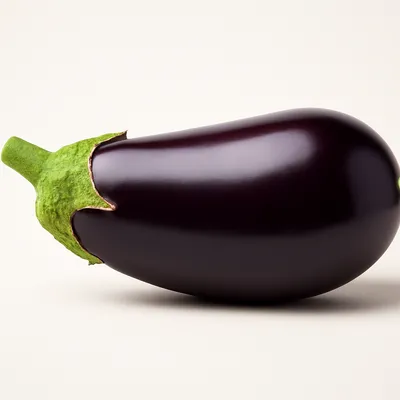
Fry the eggplant to a deep, collapsing gold — soft and almost creamy inside, never pale and spongy — because underfried eggplant stays bitter and rubbery and drinks oil instead of releasing it.
Ingredients





How it's made
5 steps · 30 min
- 18 min
Slice eggplant into thick rounds. Heat oil in a skillet over medium-high heat until shimmering. Fry eggplant slices until deeply golden and tender.
Watch outFry until the slices go deep gold and slump — a pale, springy slice isn't done and will taste raw.
- 210 min
Hard-boil eggs by placing them in a pot of water, bringing to a boil, then simmering for 9 minutes. Cool under cold running water before peeling.
Watch outNine minutes gives a just-set yolk; the cold-water plunge stops it there and loosens the shell.
- 35 min
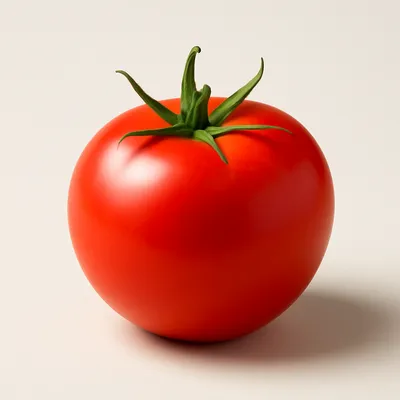
Chop tomatoes and cucumbers into small cubes. Mix with finely chopped parsley, a drizzle of olive oil, and a pinch of salt to create a fresh salad.
- 43 min
Warm pita or laffa in a dry skillet until soft and pliable. Slice open to form a pocket.
- 54 min
Stuff the pita with fried eggplant, sliced eggs, chopped salad, a drizzle of tahini, and a spoonful of amba sauce. Serve immediately.
Watch outLayer the amba and tahini so every bite gets both — the tang and the funk are what tie it together.
Archive tool suggestions — not reviewed
These legacy suggestions have not been evidence-reviewed and are not presented as required tools.
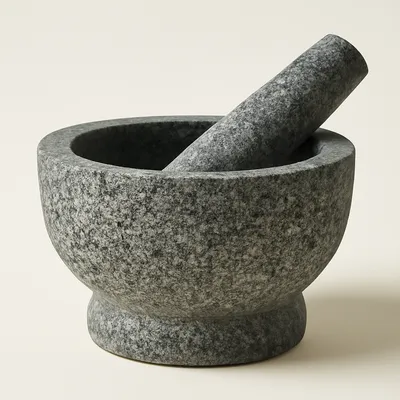
The simplest tool in any kitchen: a heavy bowl and a club to bash things in it. Different cuisines use different stones — Thai cooks pound green papaya in a tall granite mortar (krok hin); pesto Genovese requires the soft-pored Carrara marble; Indian masalas grind down on rough basalt. The bash-don't-cut motion releases volatile oils that a blade keeps sealed in the cell wall.
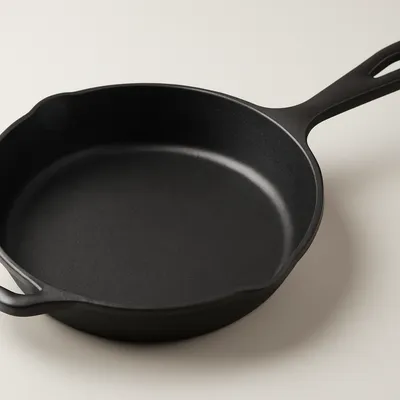
A heavy, single-piece cast iron pan, 25-30 cm across, weighing 1.5-2.5 kg. Once preheated, the thick mass holds 230°C+ even when a cold steak hits the surface — that's the secret to a deep crust. A well-seasoned skillet (multiple thin layers of polymerized oil baked into the iron) is essentially nonstick, gets better with use, and lasts a century. Lodge skillets from Tennessee have been in continuous production since 1896.