Tahini
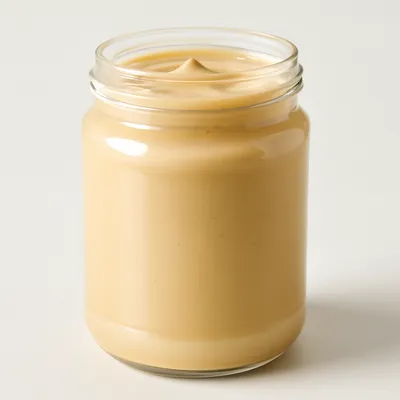
Sesame paste with rich, slightly bitter nuttiness; essential to hummus and Middle Eastern cuisine.
Where it comes from
Believed to have originated in ancient Persia, tahini has been a culinary cornerstone in Middle Eastern and Mediterranean diets for thousands of years.
In the kitchen
Used in dips like hummus or drizzled over roasted vegetables, tahini adds a creamy texture and nutty flavor, enhancing the overall dish with depth.
Across cuisines
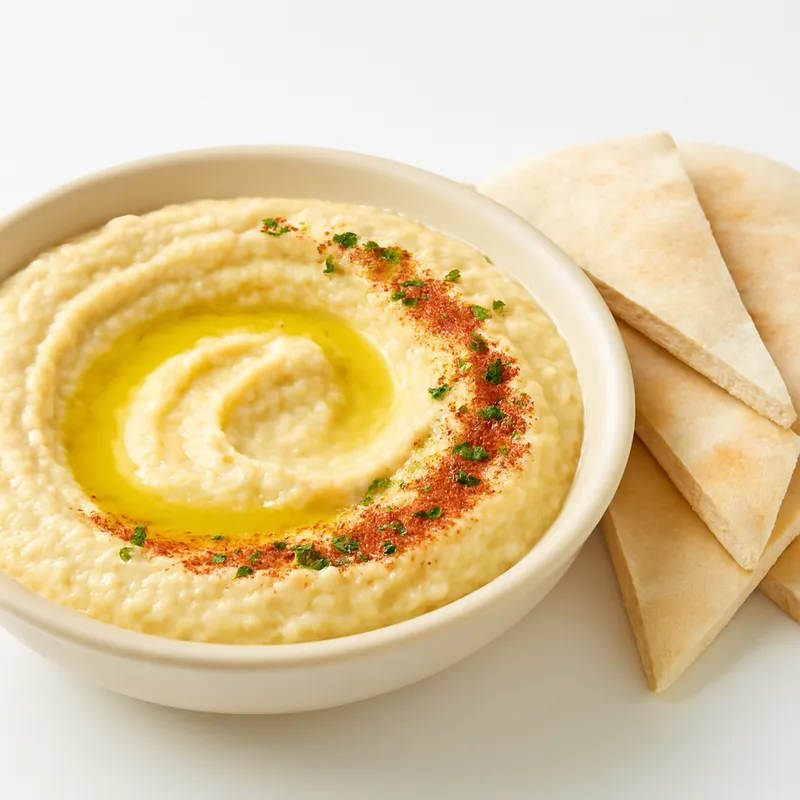
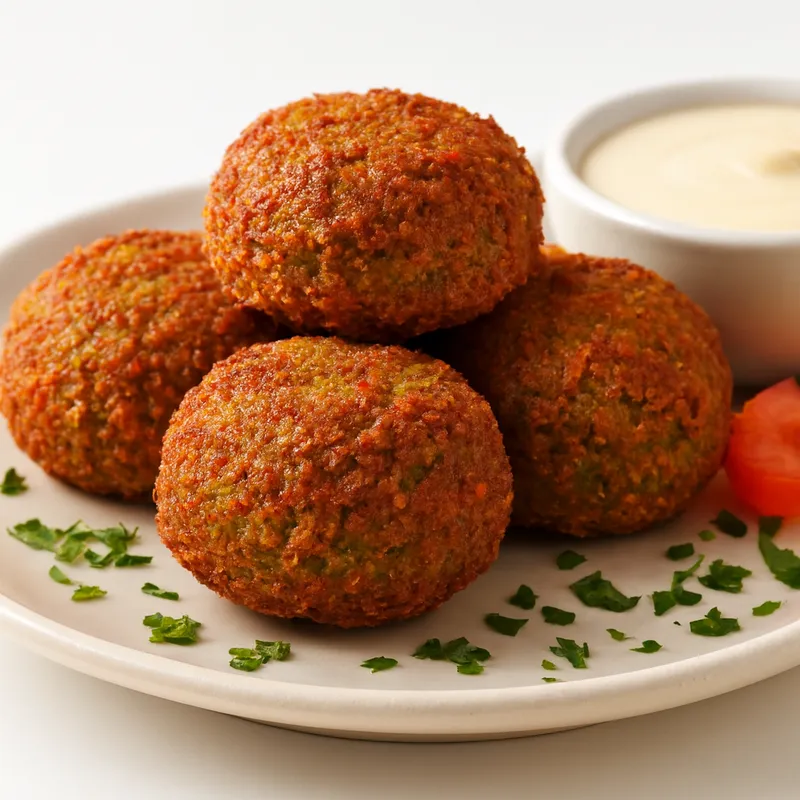
Hummus's body — pureed with chickpeas, lemon, garlic, ice-water; the proportion of tahini to chickpea separates Beirut style (heavier) from Cairo (lighter). Falafel and shawarma get a thinned tahini-lemon-garlic drizzle. Halawa (halva) is tahini cooked with sugar syrup until the proteins re-crystallize into a flakey block.
The Lebanese benchmark — hummus is the headline, but tahini also goes into baba ghanoush where it emulsifies the smoked eggplant, into samakeh harra (spicy fish sauce), and into sayadieh's tahini drizzle over caramelized-onion fish-rice. Lebanese tahini is paler, runnier, less roasted than Palestinian.
Nablus is the heritage city — its stone-ground, deeply toasted tahini is bitter-darker and the regional benchmark. Sumakiyeh, a Gaza chard-and-meat stew, uses tahini as the thickener instead of flour. Musakhan's onion-sumac base is sometimes brushed with tahini before the chicken is laid down.
Notable varieties
Stone-ground, hulled white sesame, deeply roasted. Darker, slightly bitter, more aromatic. The heritage benchmark; specific brands like Al-Arz and Al-Karawan from Nablus are sought across the Levant.
Lighter roast, paler color (sometimes called 'white tahini'), more pourable. Sweeter, less aggressive. The mainstream hummus base in Beirut and across the diaspora.
Often roasted darkest of the three Levantine styles, sometimes pressed from unhulled sesame for added depth. Bitter-edged, used with bold spices and koshari.
Chinese sesame paste — much thicker, often partially blended with peanut paste, deeply toasted. Functionally different from tahini: it clings to noodles and is the standard hotpot dip with sesame oil, never thinned with lemon.
Nutrition (per 100g)
AI-estimated; model and run unavailable.