


The origin of falafel is genuinely uncertain; food historians most often name Egypt as the likeliest birthplace but concede there is no hard documentary proof. A popular tradition credits Egyptian Coptic Christians with inventing it as a meatless protein for Lent, but this rests on no real evidence and the word 'falafel' is not even Coptic; a competing theory holds that 19th-century British soldiers from India brought chickpea fritters into Egypt — also only circumstantial. The earliest solid evidence is of 19th-century Cairo and Alexandria street vendors stabilizing the modern form, and the dish is in all likelihood comparatively recent. Egyptians widely insist their fava-bean tamiya is the ancestral form and the Levantine chickpea version a later offshoot, but the actual order of the two is not established. The name tamiya comes from Arabic 'food/morsel,' indicating its everyday status.
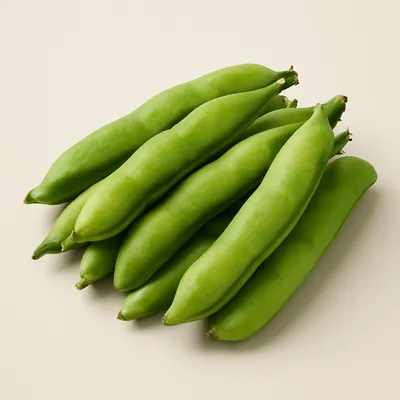
The original falafel — Egyptian Coptic Lent invention, stabilized by 19th-century Cairo and Alexandria street vendors. Made from soaked-raw fava (never cooked) ground with parsley, dill, leek; the rough raw grind is what holds shape and traps steam pockets. 175°C oil floor, or the patty drinks fat.
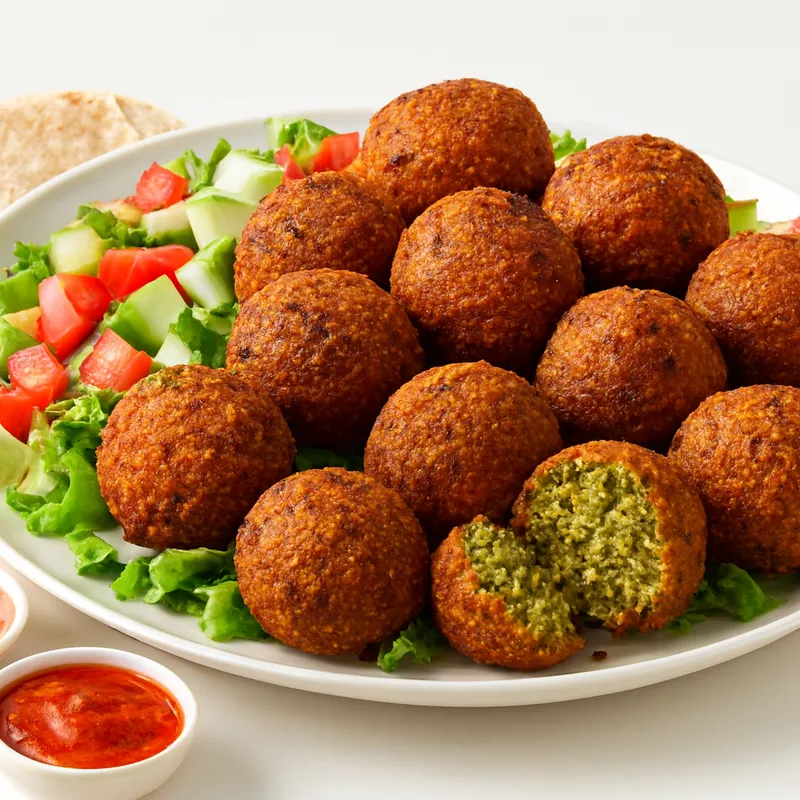
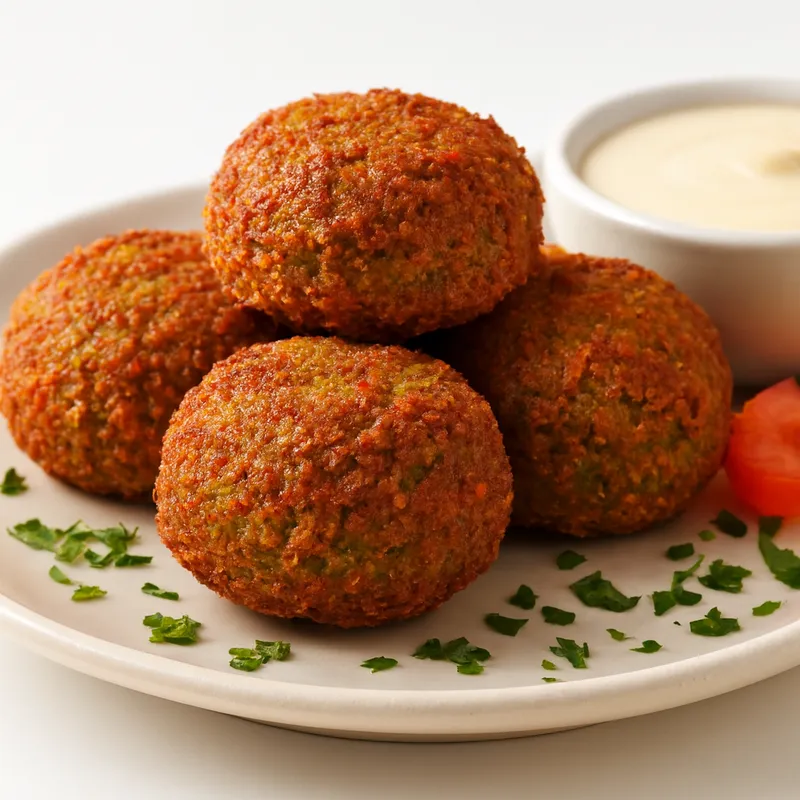
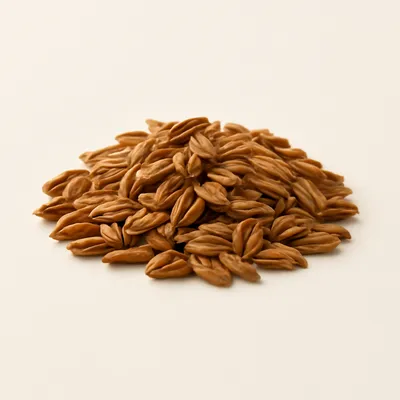
Bright green inside, mahogany crust outside — the green is the giveaway. Egyptian tamiya is made from skinned dried fava beans, not chickpeas, ground with parsley, dill, cilantro, leek, and coriander seed, formed into flat patties (not balls), and deep-fried until crisp. Eaten in baladi bread with tahini, tomato, and pickled turnip. Fava breaks open lighter and fluffier than chickpea — chickpea falafel is dense by comparison.
The bean must be soaked raw and ground, never cooked. Cooked fava turns to paste and the patty falls apart in the fryer — the rough, raw grind is what holds shape and traps the steam pockets that fluff the inside. Baking soda (a pinch in the mix) reacts with the bean's residual acidity to release CO2 mid-fry, opening the crumb. Frying oil must hit 175°C; cooler oil and the patty drinks fat instead of crisping.
Variations
Cairo style (flatter patty, more cilantro); Alexandria style (rounder, sesame-coated exterior); Levantine falafel (chickpea instead of fava, denser); Israeli falafel (chickpea plus baking soda, balled and fluffier); Yemeni-Israeli stalls run a half-fava-half-chickpea hybrid.
- ·Egyptian original: ground fava beans (not chickpeas), fresh herbs and leeks blitzed in.
- ·Greener interior, softer texture; predates the Levantine chickpea version that spread globally.
On the Palate
Where Tamiya (Egyptian Falafel) sits in the Egyptian flavor cloud
Grind the fava beans raw after soaking — never cook them first — because only the rough, uncooked grind holds the patty together and traps the steam pockets that fluff the inside; cooked beans turn to paste and disintegrate in the oil.
Ingredients
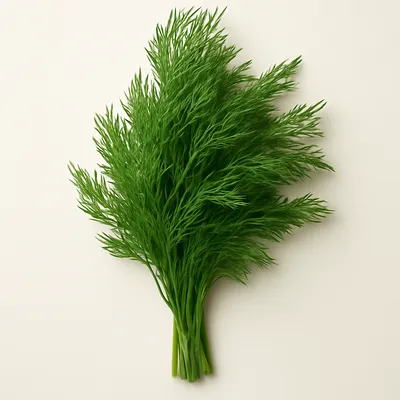





How it's made
5 steps · 33 min active + 8 hours waiting
- 10 min
Soak the fava beans overnight in plenty of water until they are plump and tender to the touch. Drain and rinse them well before use.
- 25 min
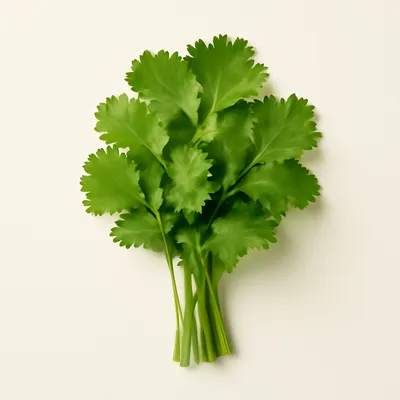
In a food processor, combine the soaked fava beans, parsley, cilantro, cumin, garlic, and onion. Pulse until the mixture is a coarse paste, with a bright green color and a fresh, herby aroma.
Watch outStop pulsing while the paste is still coarse and grainy — bright green with visible bean bits, not a smooth purée.
- 310 min
Form the mixture into small patties, about the size of a golf ball, pressing them gently to hold their shape. They should feel firm and cohesive.
Watch outThe formed patty should feel firm and just hold together when pressed; if it crumbles apart, the grind was too dry or too fine.
- 416 min
Heat vegetable oil in a deep pan to 350°F (175°C). Fry the patties in batches, turning occasionally, until they are golden brown and crisp on the outside, about 4 minutes per batch.
Watch outOil is ready when a crumb dropped in sizzles up briskly; the surface should turn deep golden and crisp in about 4 minutes.
- 52 min
Drain the fried falafel on paper towels to remove excess oil. Serve hot with tahini sauce or as part of a wrap.
Archive tool suggestions — not reviewed
These legacy suggestions have not been evidence-reviewed and are not presented as required tools.