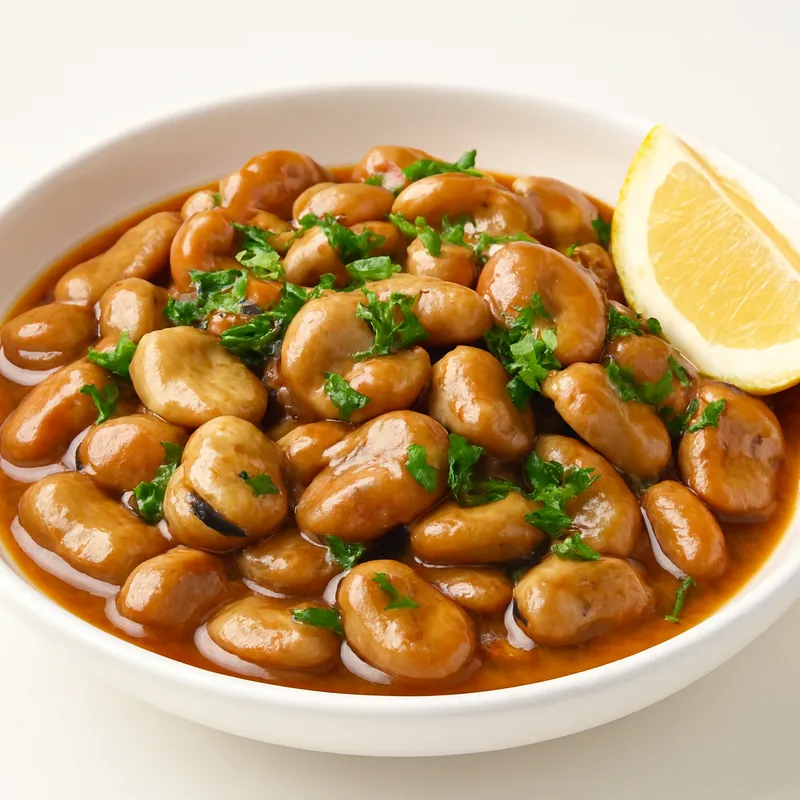
A traditional Egyptian breakfast dish made from slow-cooked fava beans, seasoned with olive oil, lemon juice, and spices.
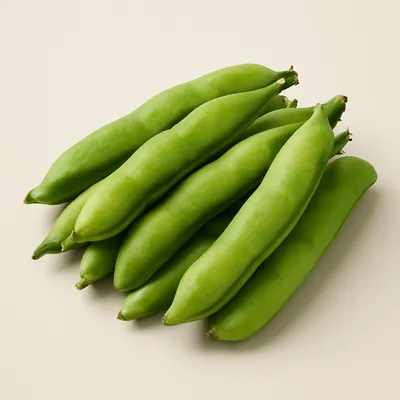




Egypt's national breakfast, eaten daily in homes across the country. Fava beans have been cultivated in the Nile Valley for millennia — caches of the beans were buried in Pharaonic tombs as provisions for the afterlife — so the bean itself is genuinely ancient, though the slow-stewed dish as eaten today took shape in the medieval period. Its signature overnight cook came from medieval Cairo's bathhouses: after the furnaces that heated the bath water were banked for the night, sealed pots of fava beans were buried in the still-glowing embers and simmered until dawn, when they were collected for breakfast. The name 'medames' is thought to derive from an Arabic/Coptic root meaning 'buried (in ashes).' For centuries ful was the cheapest reliable protein in Egypt, a staple of rich and poor alike.
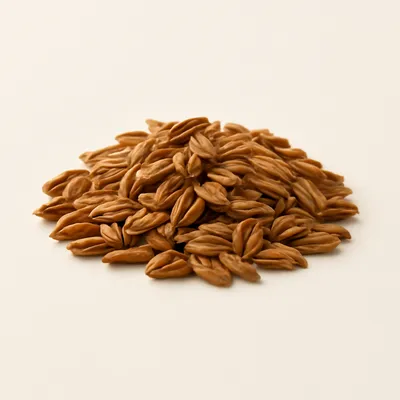
Egypt's national breakfast, traceable to the 12th-century Ayyubid period and cooked overnight in narrow-necked qedra pots left in cooling bakery ovens. Cumin goes in at the table — heat above 80°C drives off the cuminaldehyde that defines the smell.
Small dark fava beans, slow-cooked overnight in a narrow-necked pot until the skins soften and some of the beans break down into the cooking liquid. Mashed at the table with olive oil, lemon, cumin, garlic, and a fork, eaten scooped up with warm baladi bread. Often topped with a chopped tomato, parsley, sometimes a hard-boiled egg. The pot matters: the qedra shape forces gentle convection that keeps the beans whole.
The bean variety matters: small thin-skinned Egyptian fava beans are the right cultivar — their skins soften and split during the long simmer without the beans disintegrating. Larger Mediterranean broad favas have thick skins and stay tough however long they cook; canned versions are oversoftened from the start. The cumin is added at the table, never in the pot, because heat above about 80°C drives off the cuminaldehyde that defines the dish's smell.
Variations
Small thin-skinned Egyptian favas are the right bean; ful bel tahina is mashed with sesame paste (Alexandria-leaning); ful nabed uses the peeled white version (Sinai); Sudanese ful adds jameed (dried fermented yogurt) and peanut oil; Yemeni fool runs hotter with zhug stirred in.
On the Palate
Where Ful Medames sits in the Egyptian flavor cloud
Add the cumin only at the table, never into the pot — heat above about 80°C boils off the cuminaldehyde that gives ful its signature smell.
Ingredients




How it's made
4 steps · 20 min
- 110 min
Rinse the fava beans under cold water until the water runs clear. Place them in a large pot and cover with water, ensuring the beans are submerged by at least an inch. Bring to a boil over medium-high heat, then reduce to a simmer.
Watch outKeep the pot at a lazy simmer with just a few bubbles breaking the surface — a hard boil bursts the beans before the skins soften.
- 22 min
As the beans simmer, finely chop the garlic. In a small pan, heat a tablespoon of vegetable oil over medium heat. Add the garlic and sauté until fragrant and golden, about 1-2 minutes.
Watch outDo not let the garlic burn, as it will turn bitter.
- 35 min
Once the beans are tender, drain them and return to the pot. Add the sautéed garlic, a generous drizzle of olive oil, and a squeeze of lemon juice. Stir in cumin and salt to taste, mixing until well combined.
Watch outBloom the garlic in oil only until pale gold and fragrant; past that it turns bitter and the whole pot tastes of it.
- 43 min
Gently mash some of the beans with the back of a spoon to thicken the stew slightly. Taste and adjust seasoning as needed, adding more lemon juice or salt if desired.
Watch outStop mashing while whole beans still remain — the stew should thicken and cling to the spoon, not go smooth.
Archive tool suggestions — not reviewed
These legacy suggestions have not been evidence-reviewed and are not presented as required tools.