


Documented from 1762 in England (originally beef and cabbage; the potato-and-cabbage version became standard by the mid-20th century, partly due to beef scarcity during and after WWII rationing). It's a Boxing Day and Monday-morning dish — the working family's way to use Sunday roast leftovers. The name is onomatopoeic, attested in print since at least 1770: "bubble" the fat, "squeak" the cabbage releasing steam through its leaves.
Boxing Day economics — leftover roast potato and cabbage pan-fried into a crust. The name is the sound of the cabbage in the hot fat. 1762 cookbook records it with beef; modernity dropped the meat.
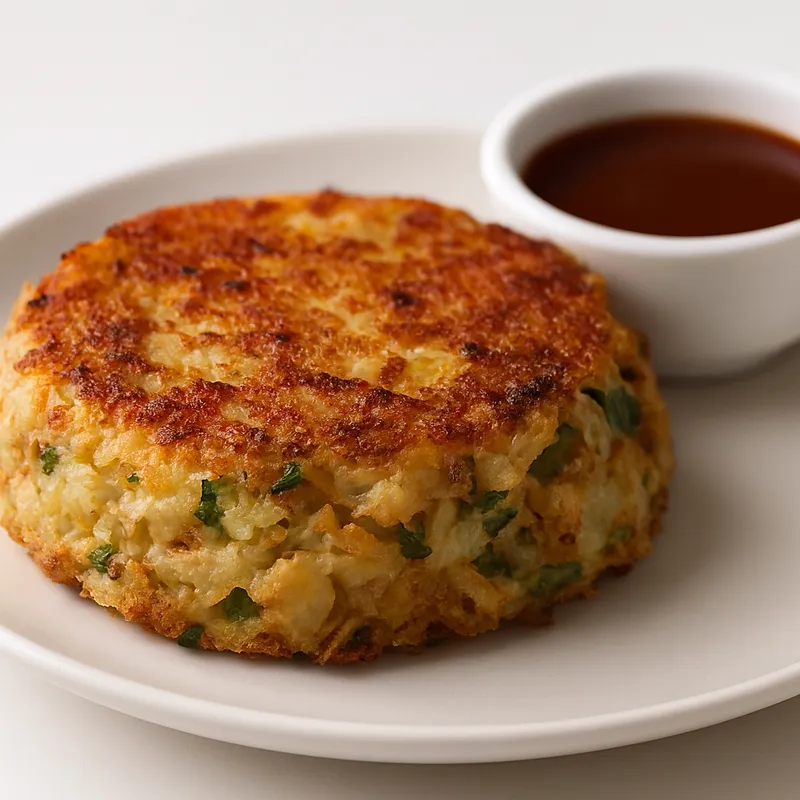
A pan-fried cake of yesterday's leftover potato and cabbage (sometimes Brussels sprouts and roast carrots from Sunday lunch), pressed flat in dripping until the bottom is dark crusted brown, flipped once, eaten with a fried egg or cold meat. Salt-pepper-only seasoning. The name is the sound it makes — bubbling fat, squeaking cabbage as it cooks.
The whole technique is in the press and the wait — flatten the mash-and-veg mix in hot fat, then leave it alone for 8–10 minutes to develop the brown crust before flipping. Stirring kills the dish; you want a single golden plank, not a hash. Beef dripping from the Sunday roast pan is the right fat — vegetable oil makes it taste of nothing. Day-old, cold leftovers fry up better than fresh: dry surfaces brown.
Variations
Scottish rumbledethumps adds cheddar and bakes it; Irish colcannon is the un-fried sibling with kale and scallion; Welsh stwnsh rwdan adds swede.
On the Palate
Where Bubble and Squeak sits in the British flavor cloud
Press it flat and leave it alone: pack the mash-and-cabbage into the hot fat, then don't touch it for 8–10 minutes so a deep brown crust forms — stir it and you get a pale hash instead of one crisp golden cake.
Ingredients

How it's made
4 steps · 38 min
- 115 min
Boil the potatoes in salted water until tender, about 15 minutes. Drain and mash them lightly, leaving some chunks for texture.
Watch outMake sure the potatoes are fully tender to achieve the right texture.
- 28 min
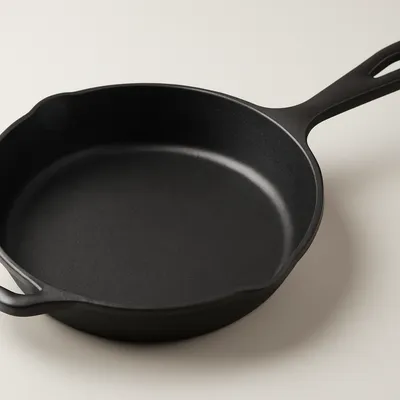
Finely slice the cabbage and chop the onion. In a large skillet, melt butter over medium heat. Add the onion and cook until golden and soft.
Watch outCook the onion low and slow until soft and golden, not browned hard — it sweetens the whole cake.
- 35 min
Add the cabbage to the skillet with the onions. Cook until the cabbage is tender and slightly caramelized, about 5 minutes.
Watch outStir occasionally to prevent sticking and ensure even cooking.
- 410 min
Mix the mashed potatoes into the skillet with the cabbage and onions. Press down to form a flat cake and cook until the bottom is crispy and browned, about 5 minutes. Flip and brown the other side.
Watch outYou'll smell it and hear the sizzle steady out before you flip; lift an edge and check for a solid mahogany crust, not pale patches.
Archive tool suggestions — not reviewed
These legacy suggestions have not been evidence-reviewed and are not presented as required tools.