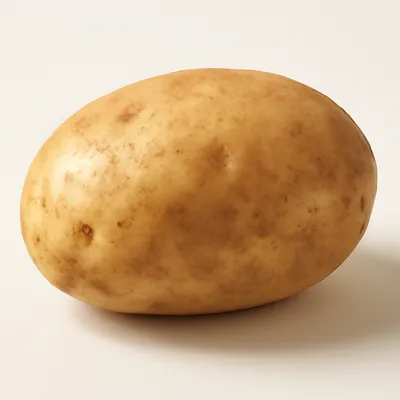


First reliably documented in 1817 in a Navarra letter to the regional government complaining about wartime food shortages — soldiers were eating egg-and-potato cakes because both were cheap and available. Some sources push it earlier into the late 18th century. The dish spread nationally as Spanish railways made potatoes cheap inland, and was firmly bar-counter food by the early 20th century.
Egg, potato, onion, oil, salt, time. The cook's only real choice is "cuajada or jugosa" — set or runny — and people argue about it.
A thick yellow disc, an inch or more deep, sliced like a cake into wedges. Inside: thin-sliced potato cooked slow in olive oil until tender (not crisp), bound by egg, sometimes with onion. Eaten warm or room-temperature, on bread, with a glass of beer. The center should be just-barely-set — Spanish cooks call it jugosa, juicy. Dry-through means it was overcooked.
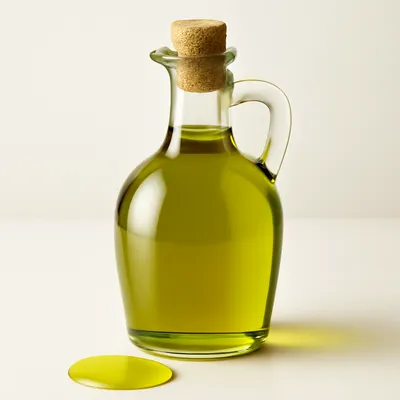
The potato is cooked confit-style — submerged in olive oil at low heat until it's almost candied — not fried crisp. That low-temperature olive-oil bath is what gives the tortilla its custardy texture and the oil itself becomes part of the flavor. Cheap shortcuts with par-boiled potato or non-olive oil produce a stiffer, drier cake. Onion versus no-onion is a permanent civil war in Spain; both are correct.
Variations
With chorizo (Asturian), with green pepper (Pisto-style), with morcilla; the Betanzos-style runs aggressively jugosa; the gas-station bocadillo version is always cuajada.
- ·Classic version without tortilla chips
On the Palate
Where Tortilla Española sits in the Spanish flavor cloud
Cook the potatoes confit-style — fully submerged in olive oil over low heat until they're soft and almost candied, never fried crisp — because that gentle oil bath is what gives the tortilla its custardy, just-set center rather than a stiff, dry cake.
Ingredients
How it's made
4 steps · 30 min
- 115 min
Peel and thinly slice the potatoes and onions. Heat olive oil in a non-stick pan over medium heat, enough to submerge the potatoes. Add the potatoes and onions, cooking gently until tender and lightly golden.
Watch outThe oil should just barely shiver, not sizzle — the potatoes are ready when a slice crushes easily under a fork and looks translucent, not browned.
- 25 min
Drain the potatoes and onions from the oil, reserving some oil for later use. Beat the eggs in a large bowl and season with salt. Gently fold in the cooked potatoes and onions.
Watch outSeason the egg well and let the folded mixture rest until the potatoes have soaked up some egg and the surface looks settled — about ten minutes.
- 35 min
Heat a small amount of the reserved oil in the pan over medium heat. Pour in the egg mixture, spreading it evenly. Cook until the edges start to set and the bottom is lightly golden.
Watch outPour into a hot, well-oiled pan and cook until the edges pull in and set but the top is still wet and wobbly — that loose middle is the goal.
- 45 min
Carefully flip the tortilla using a plate to cover the pan. Slide the tortilla back into the pan to cook the other side until fully set and golden brown.
Watch outCover with a plate, flip confidently in one motion, and slide back to just kiss the second side golden — keep the center soft, don't dry it out.
Archive tool suggestions — not reviewed
These legacy suggestions have not been evidence-reviewed and are not presented as required tools.
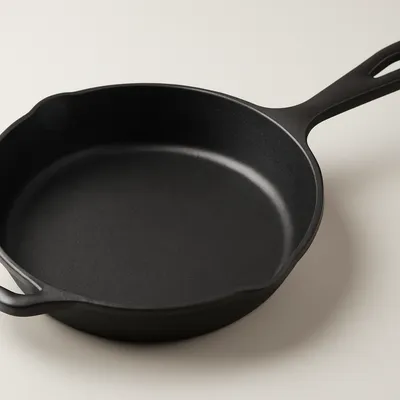
A heavy, single-piece cast iron pan, 25-30 cm across, weighing 1.5-2.5 kg. Once preheated, the thick mass holds 230°C+ even when a cold steak hits the surface — that's the secret to a deep crust. A well-seasoned skillet (multiple thin layers of polymerized oil baked into the iron) is essentially nonstick, gets better with use, and lasts a century. Lodge skillets from Tennessee have been in continuous production since 1896.

Hand-held wire loop tool for beating eggs, whipping cream, emulsifying dressings, and incorporating air into batters. Balloon whisks (large round head) for whipping cream and meringues; French whisks (narrow tear-drop) for sauces in pots; flat whisks (gravy) for pan sauces. Stainless steel is universal; silicone-coated for non-stick pans.