
A core dish across southern Nigeria — Yoruba (efo elegusi), Igbo (ofe egusi), and Edo all claim a version — built on egusi, the protein-rich seed of certain cultivated melons and gourds in the gourd family. The seed most often used in Nigeria is that of the white-seeded egusi melon (commonly identified as Cucumeropsis mannii) or a wild watermelon relative; the exact botany is debated, since these cucurbits look much alike and are grown for their oily, protein-dense seeds rather than their bitter, inedible flesh. The seed paste was a durable, portable food across West Africa long before the soup itself was named.
Built on Citrullus lanatus seeds, cultivated in the Sahel for 4000 years — seeds were found in Egyptian tombs from 1500 BCE. The seed must bloom in hot palm oil before liquid hits, or it pellets.
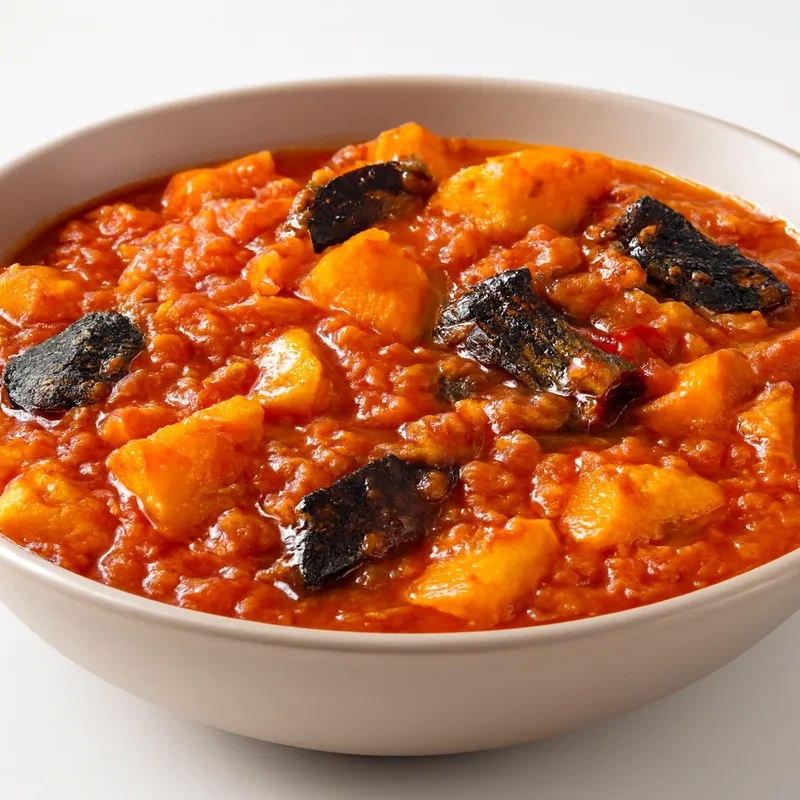
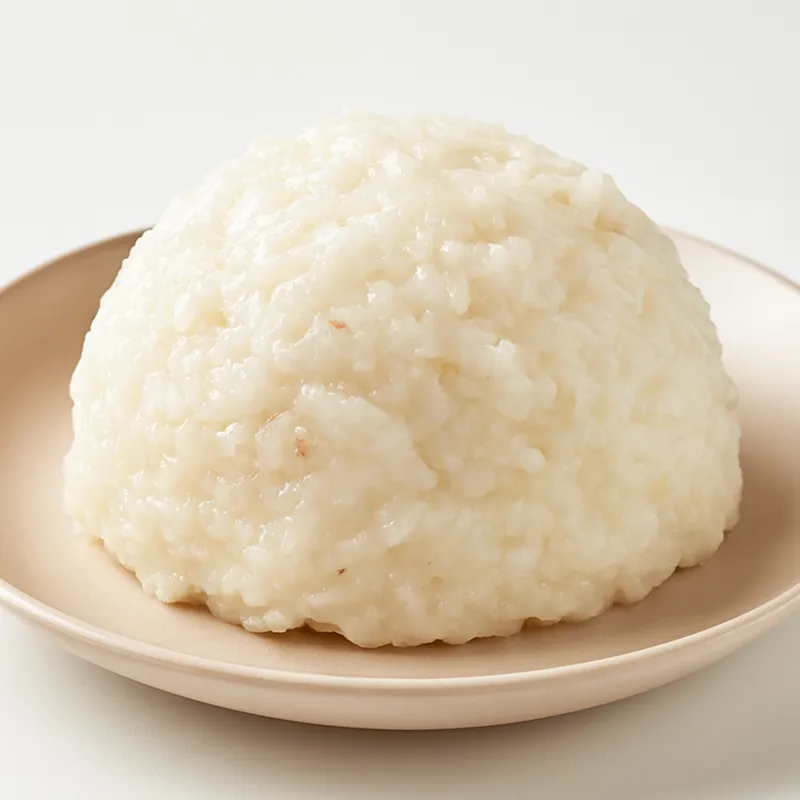
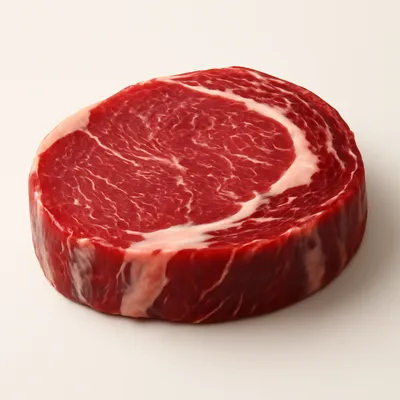
A thick, golden-green stew, almost grainy, built on ground melon seeds (egusi) cooked into palm-oil-and-pepper broth with bitterleaf or ugu greens. Chunks of beef, tripe, smoked fish, and stockfish poke through. Eaten by tearing off a piece of pounded yam or fufu, denting it with the thumb, and dragging through the soup — no chewing the swallow, that's the rule.
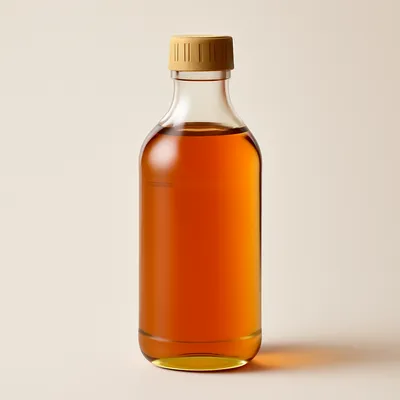
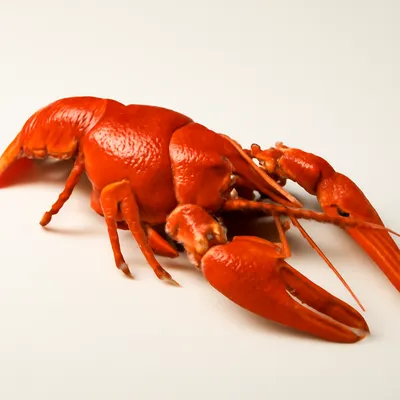
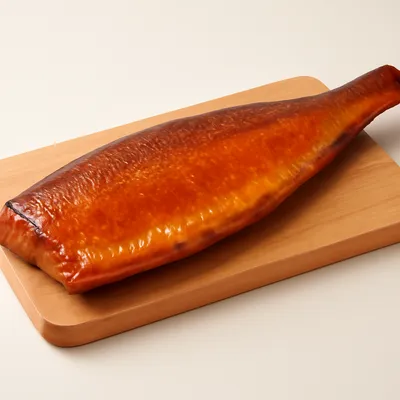
Egusi seed is ground dry to a coarse meal, then bloomed in hot red palm oil to release its fat and give the soup its golden sheen. There are two camps: in the 'caking' method the seed is mixed to a paste, dropped in lumps into warm oil and lightly fried so it sets into firm cakes; in the 'boiling' method the paste goes straight into simmering stock and breaks down into a loose, thick base. Beef, tripe, cow skin (ponmo), stockfish and smoked fish go in, with ground crayfish and fermented locust bean (iru) for savor, and bitterleaf or ugu greens last. Bitterleaf must be washed and squeezed three or four times before adding; unwashed, it overwhelms every other flavor.
Variations
The main debate is how the egusi is handled — the fried 'caking' method (firm lumps) versus the boiling method (loose, simmered into the broth), a genuine point of pride. Greens can be bitterleaf (denser, more bitter) or ugu (lighter); Yoruba efo elegusi and Igbo ofe egusi are the two best-known regional names.
On the Palate
Where Egusi Soup sits in the Nigerian flavor cloud
Ingredients



How it's made
6 steps · 55 min
- 15 min
Grind the egusi seeds into a fine powder, releasing their rich, nutty aroma. Set aside for use in the soup.
- 25 min
Heat palm oil in a deep pot over medium heat until it shimmers with a golden hue. Add chopped onions and fry until they are translucent and fragrant.
Watch outEnsure the oil is not too hot to avoid burning the onions.
- 310 min
Add the ground egusi seeds to the pot, stirring continuously to prevent clumping. Cook until the mixture turns a deeper golden brown and releases a toasted scent.
Watch outKeep stirring until the egusi darkens from pale to a deeper gold and smells toasted — that shift is when its oils release.
- 410 min
Introduce the beef and any other meat into the pot, ensuring each piece is coated with the egusi mixture. Cook until the meat is browned and infused with the flavors.
Watch outMake sure the meat is well-coated to absorb the flavors effectively.
- 520 min
Add water, pepper, and crayfish to the pot, stirring to combine. Simmer gently until the meat is tender and the soup thickens, releasing a savory aroma.
Watch outLet it simmer gently, not a rolling boil, until the meat is fork-tender and the surface thickens and slicks with oil.
- 65 min
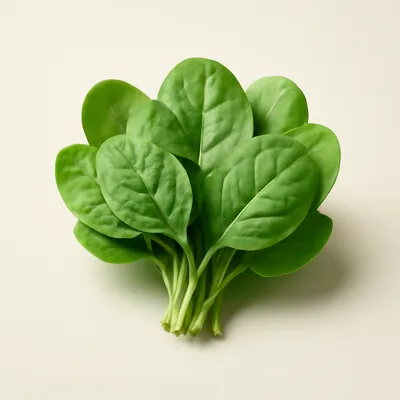
Fold in the spinach, allowing it to wilt and meld with the soup's flavors. Cook just until the leaves are vibrant green and tender.
Watch outThe greens are done the instant they wilt and turn vibrant green — any longer and they go dull and soft.
Archive tool suggestions — not reviewed
These legacy suggestions have not been evidence-reviewed and are not presented as required tools.