
A pan-southern-Nigerian one-pot, common across Yoruba, Edo, Igbo, and Niger Delta home kitchens, where plantain has been a staple since its 16th-century Portuguese introduction and grows abundantly in the humid south. It is the plantain cousin of yam asaro — the same idea of starchy chunks collapsed into a peppery one-pot sauce, only with plantain in place of yam — and a quick, everyday comfort meal. It is most traditionally made with semi-ripe or unripe plantain for a savory, starchy result, and is often cooked together with beans for a complete one-pot meal.
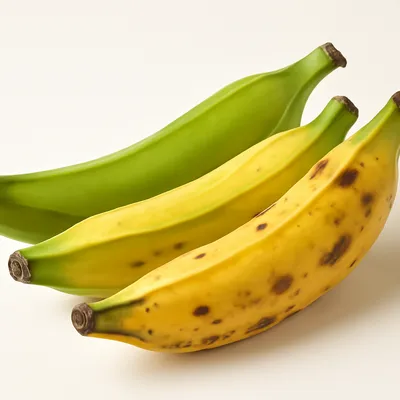
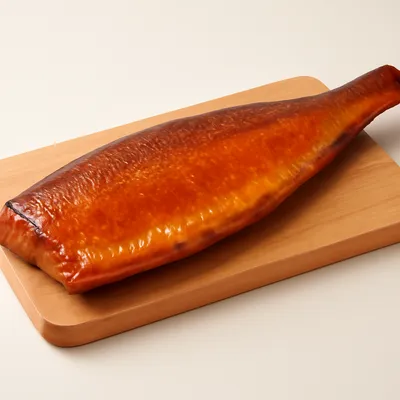
Southern Nigerian one-pot rescue for overripe plantain — too soft for dodo, too far gone for boli. Yellow-with-black-spots is the right window; underripe stays rubbery, fully black turns to liquid mush. Smoked fish only — fresh disintegrates and waters down the pot.
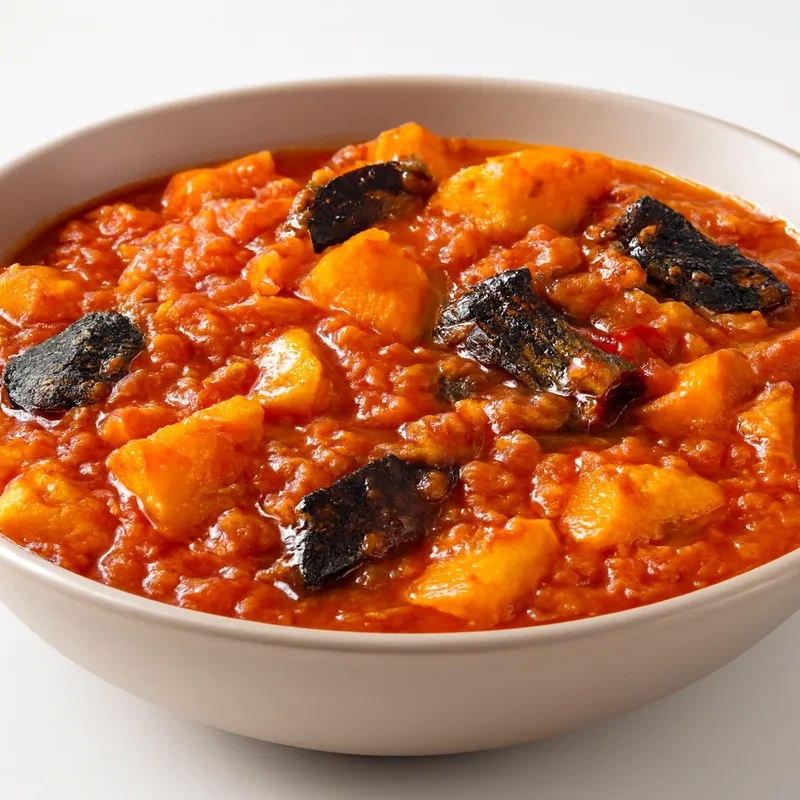
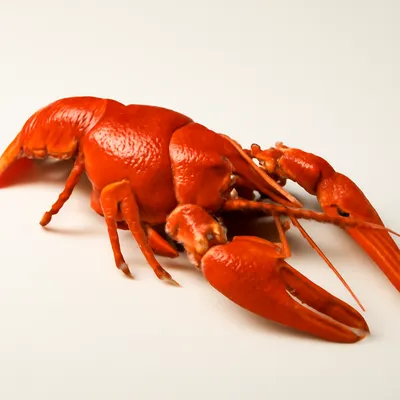
Soft, faintly sweet plantain chunks in a thick, peppery tomato sauce stained warm orange-red by palm oil, with smoked or dried fish flaked through and dark-green pumpkin leaves (ugu) stirred in. Semi-ripe plantain is starchy and mellow rather than sugary; the deeper you dig, the more you taste the broken-down plantain that has melted into the sauce to thicken it. That soft, starchy base carries the heat of the pepper, the richness of the palm oil, and the dry, savory funk of crayfish and smoked fish. Eaten alone, hot, deep in a bowl.
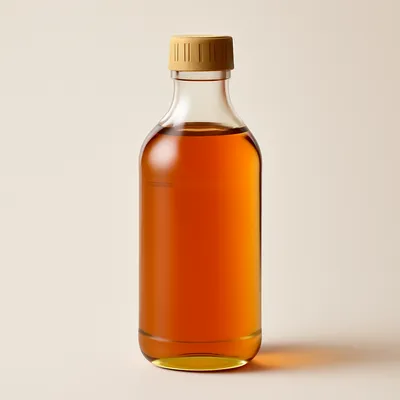
Ripeness selection is the key decision. Semi-ripe or unripe plantain is firm and starchy: it softens without dissolving into sweet mush and keeps the dish savory, where fully black, overripe plantain would collapse into sugary liquid. A blended base of tomato, onion, and pepper (scotch bonnet or the local small rodo pepper) is cooked down in red palm oil for color and a nutty aroma, then built up with crayfish and dried or smoked fish. The plantain chunks simmer in seasoned water until the liquid reduces by about half and the plantain turns tender; then roughly a quarter of the pieces are crushed against the side of the pot with the back of a spoon, releasing starch that thickens the whole pot into a hearty pottage. Leafy greens such as ugu are stirred in at the end and briefly simmered.
Variations
Plantain-and-beans pottage (cooked together with black-eyed peas for protein and a creamier body, making a complete one-pot meal); all-vegetable, fully savory unripe-plantain pottage (no sugar break-down, heavy on greens); smoked fish can be swapped for dried fish or fresh fish; the Niger Delta Urhobo ukodo is a close relative, a pepper-soup-based pottage of yam and plantain simmered together.
On the Palate
Where Plantain Pottage sits in the Nigerian flavor cloud
Ingredients



How it's made
5 steps · 45 min
- 14 min
Peel and slice plantains into discs.
Watch outPick semi-ripe or firm plantain, not the soft black ones — overripe fruit dissolves into sweet mush and kills the savory balance.
- 28 min
Heat palm oil, sauté onions, and add tomatoes and peppers.
Watch outCook the tomato-pepper base down in the palm oil until it darkens and smells nutty and the raw sharpness is gone — that's the flavor floor everything sits on.
- 35 min
Incorporate smoked fish and crayfish, simmering gently.
- 45 min
Add plantain slices, cooking until soft.
Watch outSimmer until the liquid drops by about half and the plantain turns tender, then mash a few pieces into the pot to thicken it.
- 515 min
Adjust seasoning and serve warm.
Archive tool suggestions — not reviewed
These legacy suggestions have not been evidence-reviewed and are not presented as required tools.