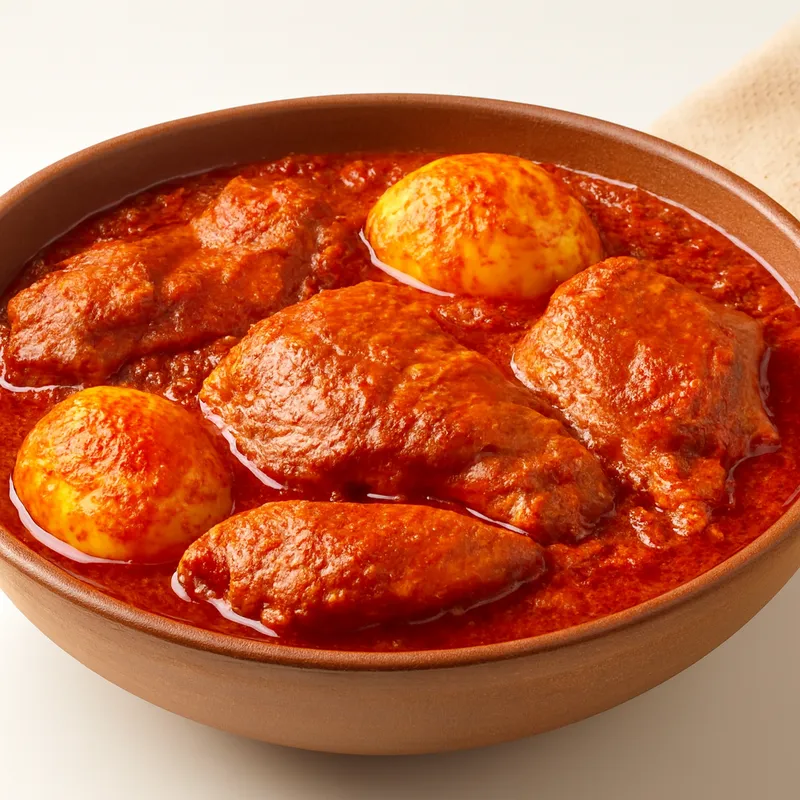
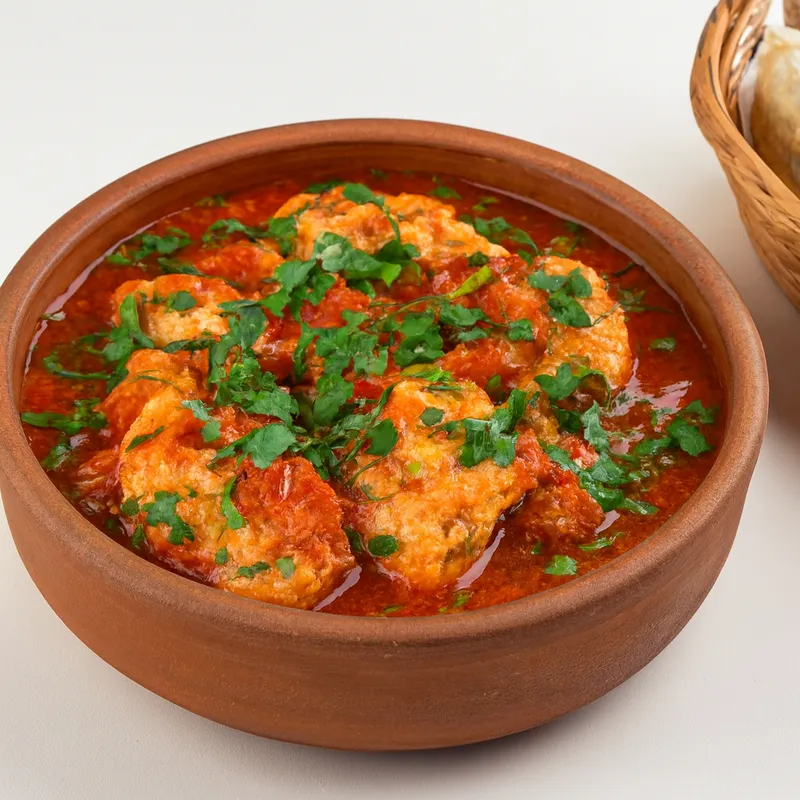
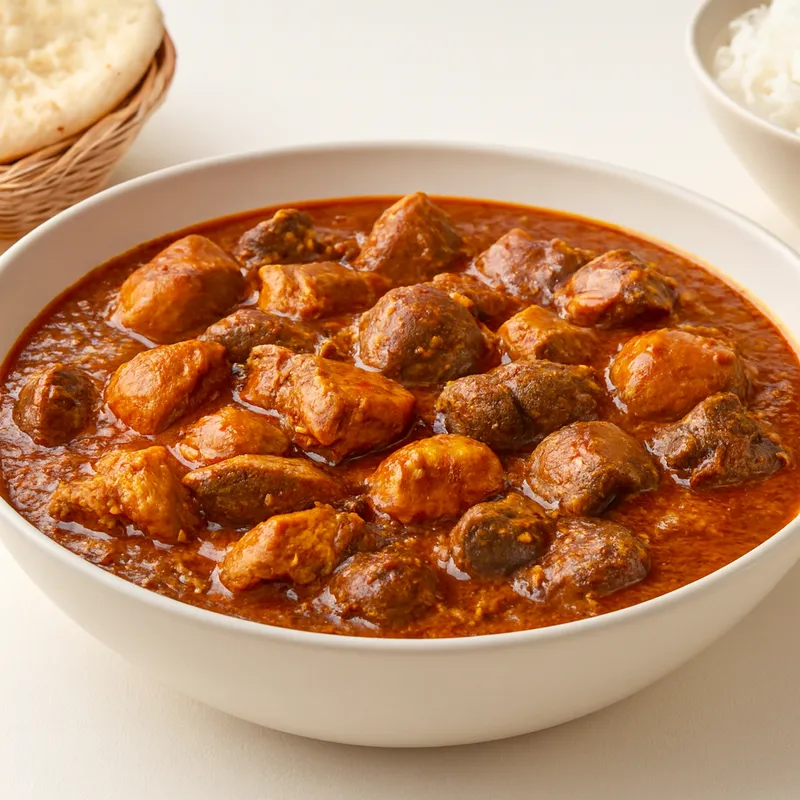
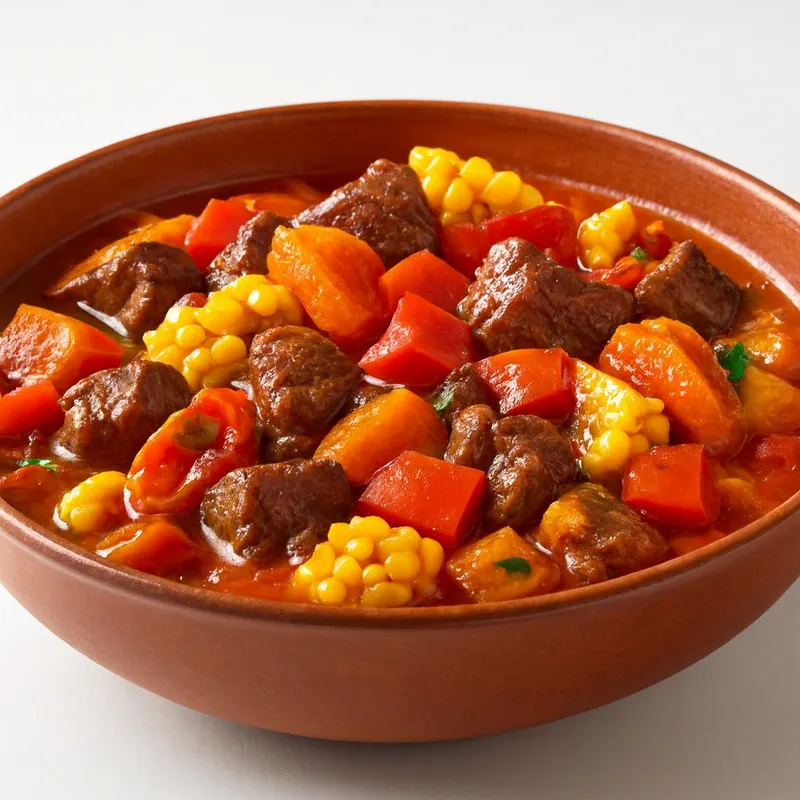
A one-pot rice dish cooked with tomatoes, peppers, and spices.


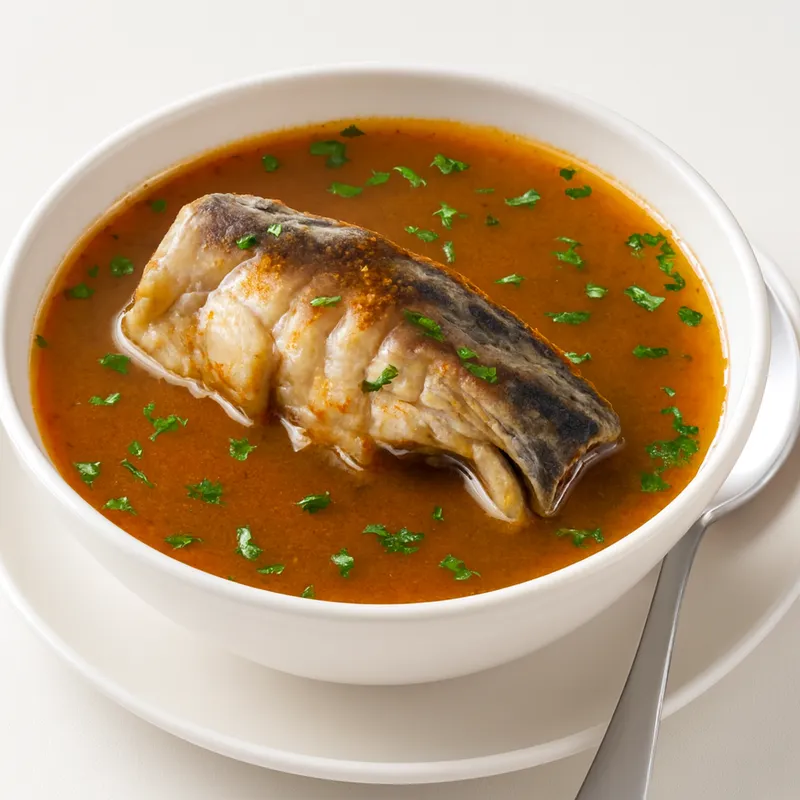
Jollof rice is generally traced to the Wolof people of the Senegambian region (modern Senegal and The Gambia). It is widely held to descend from thieboudienne (ceebu jen, Wolof for "rice and fish"), taking shape around the 14th century alongside the medieval Wolof (Jolof) Empire — "jollof" is the anglicized name of the empire's dominant Jolof state. The dish spread south along West African trade routes to Nigeria and Ghana, where it dropped the fish, shifted its spicing, and grew hotter. The "Jollof Wars" — Nigeria, Ghana, and Senegal each claiming the best version — are a real but good-natured and unresolved rivalry, and claims are partisan. Note that UNESCO's 2021 intangible-heritage inscription was for Senegal's thieboudienne specifically, not a verdict on "best jollof," though the two are often conflated.
From the medieval Jolof Empire of Senegambia, where it began as thieboudienne with fish. The 1cm scorched bottom layer — party jollof — is the prize, not a mistake.
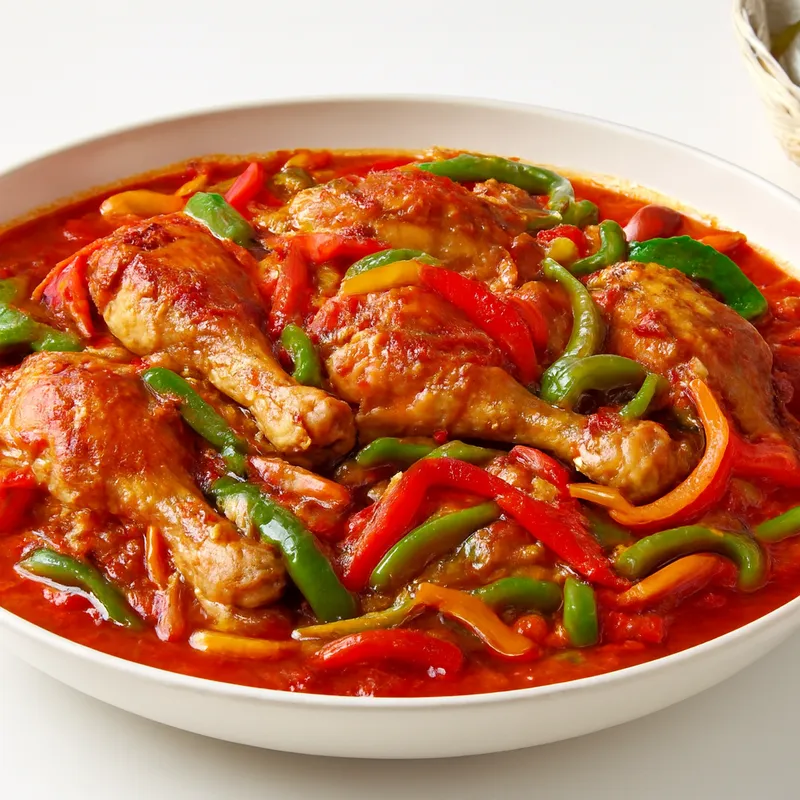
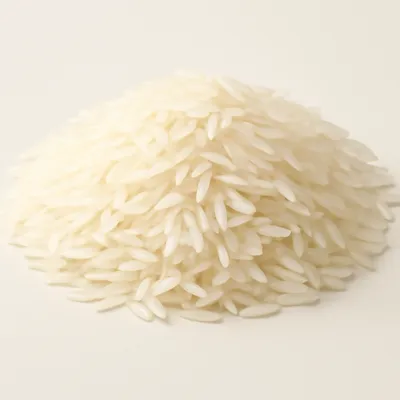
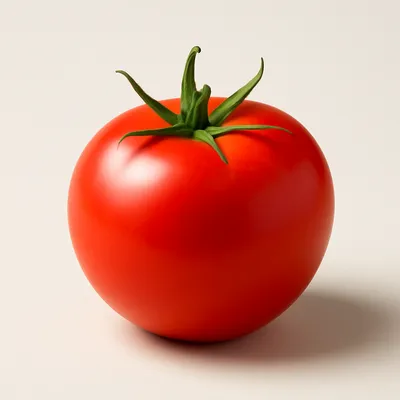
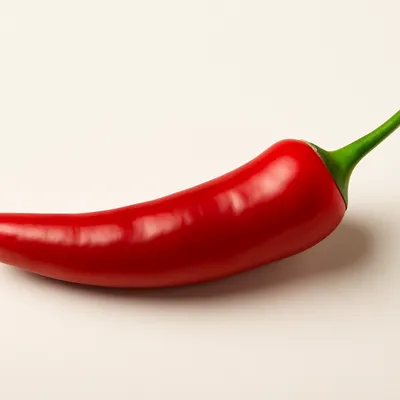
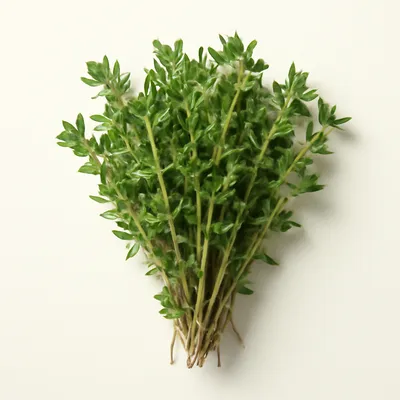
Long-grain rice stained deep red-orange from a base of tomato, red bell pepper, onion, and Scotch bonnet, fried down and reduced before the rice goes in. The prized layer is the bottom of the pot — a deliberately scorched, smoky crust (party jollof) that guests fight over at gatherings. Scotch bonnet heat runs through it; curry powder, bay leaf, and thyme show on the back palate. Served with fried plantain and grilled chicken; eaten with a spoon.
Smoke is everything. The pot is left on low after the rice cooks through, deliberately scorching a 1cm bottom layer — this is not failed rice, this is the dish. Nigerians traditionally finish over wood-fire embers for an extra smoke note; gas-stove jollof can mimic it with a sheet of foil over the burner edge. Tomato base must be reduced to paste-thick before rice enters or the grains go mushy.
Variations
Nigerian (long-grain parboiled rice, Scotch bonnet, deeper char); Ghanaian (basmati or jasmine rice, more perfumed and aromatic, lighter pepper, more bay leaf). At gatherings, any country's version may be cooked over wood fire as "party jollof" for a smoky scorched bottom, prized as the most authentic. Senegalese thieboudienne keeps the original fish, vegetables (carrot, eggplant, cabbage), and a tamarind tang.
On the Palate
Where Jollof Rice sits in the Nigerian flavor cloud
Ingredients
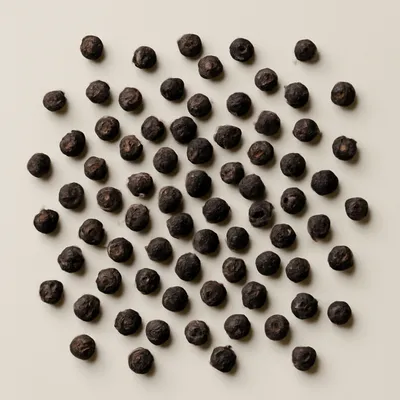
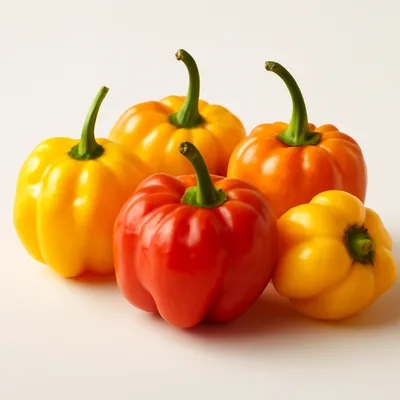


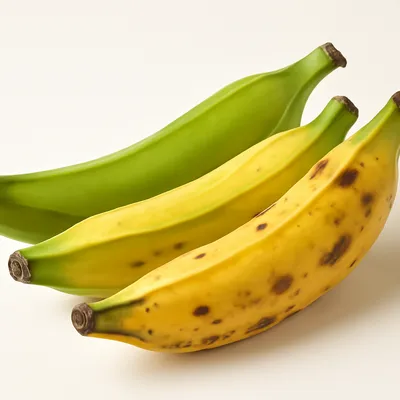
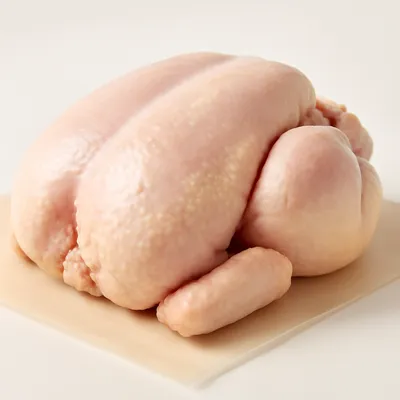



How it's made
4 steps · 40 min active + 5 min waiting
- 15 min
Heat vegetable oil in a large pot over medium heat. Add chopped onions and sauté until translucent, about 5 minutes. The onions should be soft and fragrant.
Watch outEnsure the oil is not too hot to avoid burning the onions.
- 213 min
Stir in tomato paste and cook for 3 minutes, allowing it to caramelize slightly. Add chopped tomatoes, red peppers, and chili pepper, cooking until the mixture thickens and the oil begins to separate, about 10 minutes.
Watch outThe base is ready when it darkens to a thick paste and oil beads out around the edges.
- 320 min
Add rice, chicken stock, bay leaves, and spices. Stir well to combine. Bring to a boil, then reduce the heat to low, cover, and simmer for 20 minutes. The rice should absorb the liquid and become tender.
Watch outLiquid should just cover the rice; too much and it steams to mush.
- 42 min
Remove from heat and let the rice sit, covered, for an additional 5 minutes. Fluff with a fork before serving.
Watch outOff the heat, let it steam covered — the grains firm up and separate as they rest.
Archive tool suggestions — not reviewed
These legacy suggestions have not been evidence-reviewed and are not presented as required tools.