Scotch Bonnet
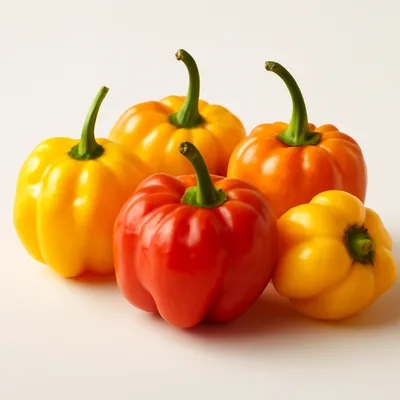
Caribbean chili among the hottest peppers; fruity tropical scent with searingly high capsaicin.
Where it comes from
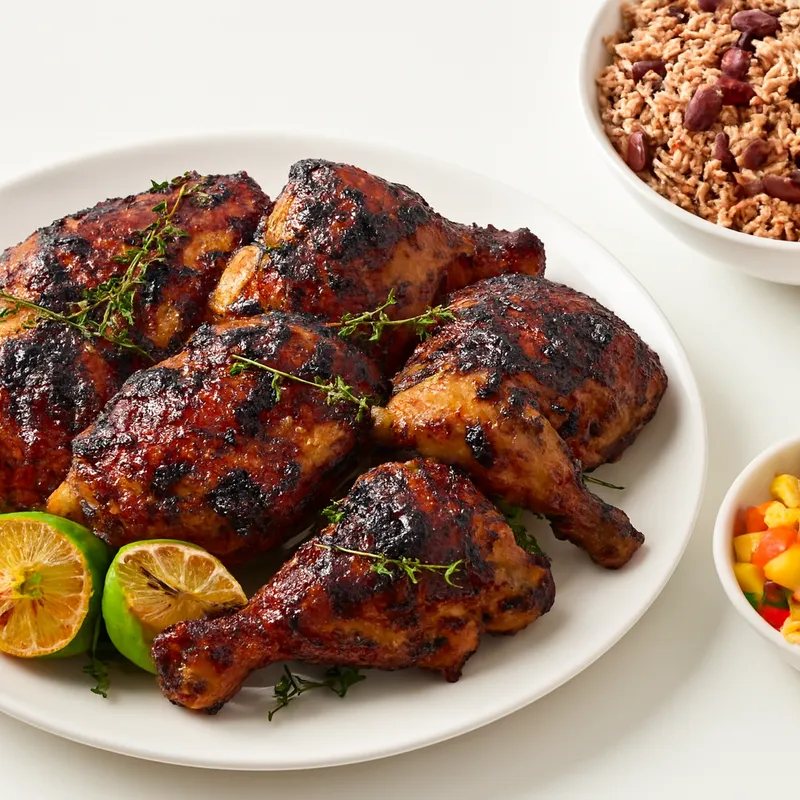
Hailing from the Caribbean, particularly Jamaica, scotch bonnets have been integral to local cuisine for centuries, often used in traditional jerk seasoning that showcases their fiery character.
In the kitchen
Scotch bonnets are essential in creating spicy sauces and marinades, infusing dishes with heat and a unique fruity flavor that enhances the overall complexity of Caribbean recipes.
Across cuisines
Scotch bonnet is the canonical West African chili — fruity, intensely hot (100,000-350,000 SHU), and present in nearly every Senegalese stew. Whole, the pepper is dropped in to perfume the broth and pulled out before serving; pierced or cut, it releases full heat. Closely related to the Caribbean habanero.
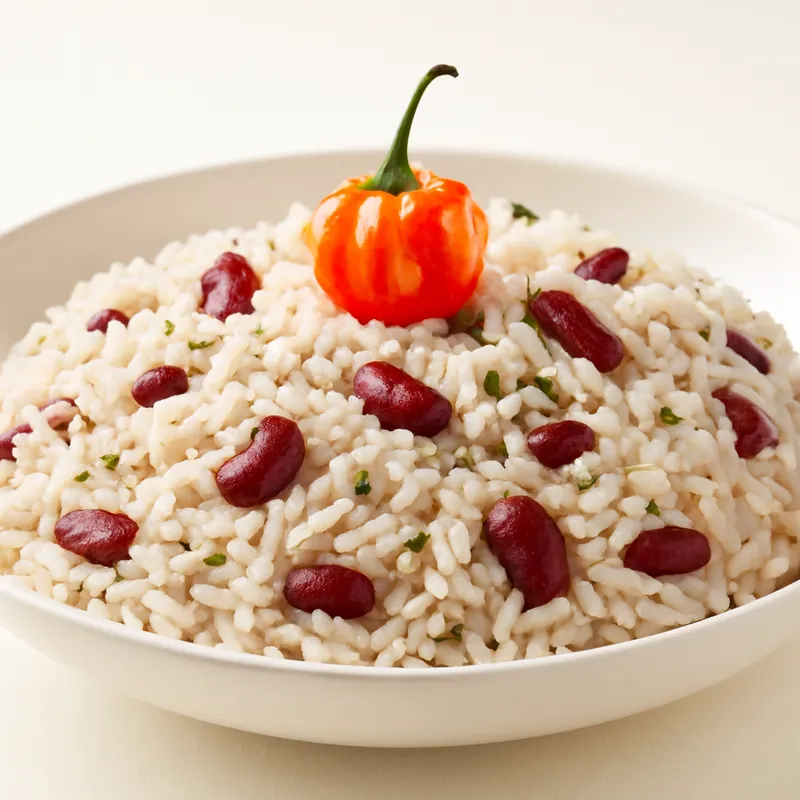
Scotch bonnet is the West African heat — pounded raw into shito (the everyday chili paste), dropped whole into jollof for fragrance without full burn, charred over flame for the light soup base. The Ghanaian heat tolerance is high; jollof and waakye both lean on scotch bonnet in larger quantity than the Nigerian variants do.
Scotch bonnet (piment) — the fierce chili in sauce chien and every Creole marinade. Source: Wikipedia (Antillean cuisine).
Nutrition (per 100g)
AI-estimated; model and run unavailable.