Trinidad one-pot rice dish with caramelized chicken, pigeon peas, coconut milk, and warm spices.




Trinidad and Tobago Creole dish, fusing African one-pot rice cooking (jollof-tradition) with Indian indentured-laborer's spices, Spanish-colonial culinary methods, and the local pigeon pea (gungo pea) brought from West Africa. The burnt-sugar browning technique is West African; the green-seasoning paste is Trinidadian. Pelau is what Trinidadians make for cricket matches, lime (gathering), and beach days — communal, mobile, eaten from a bowl.
Trinidadian one-pot — chicken or pigeon-pea braise where the meat is browned in burnt sugar (the 'caramelization' is actual carbonized brown sugar) before the rice goes in. The bottom-of-the-pot 'bun-bun' crust is the prized layer, like Persian tahdig with a Caribbean accent.
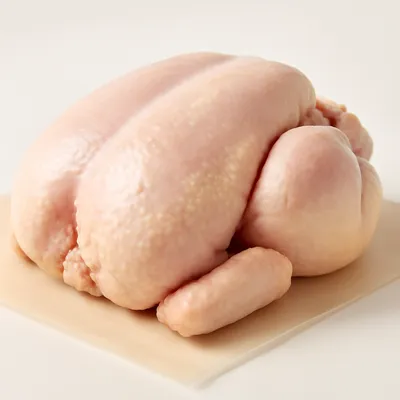
A one-pot rice dish stained dark caramel from burnt-sugar (sugar literally burned in oil before the meat hits the pot — Trinidadian "browning"). Inside: rice, pigeon peas, chicken or beef, coconut milk, scotch bonnet, green seasoning (cilantro-thyme-garlic-onion paste). Eaten Sundays, beach days, anytime gathering — a Trinidadian one-pot identity dish.
Browning sugar is the signature step that scares first-time cooks: brown sugar is dropped into hot oil and allowed to literally burn black before chicken is added. The acrid moment passes; what's left is deep caramel that colors and flavors the rice. Done wrong, it tastes acrid; done right, it's the dish's whole identity. Coconut milk added later balances the bitter edge with fat and sweetness.
Variations
Trinidadian (chicken + pigeon peas, the canonical); Tobagonian uses crab; Guyanese cook-up rice is the parallel dish (more meats, no burnt sugar); Indo-Trinidadian version drops the meat for paneer or mushroom.
On the Palate
Where Pelau sits in the Trinidadian flavor cloud
Ingredients



How it's made
6 steps · 23 min active + 25 min waiting
- 15 min
In a large pot, sprinkle sugar evenly on the bottom and heat over medium until it melts and turns a deep amber color, releasing a rich caramel aroma.
Watch outTrust your nose and eyes: the sugar is ready the instant it goes dark mahogany and the sweet smell turns sharp and almost burnt.
- 23 min
Add the onion and garlic to the caramelized sugar, stirring quickly to coat and soften them. The mixture should sizzle and become fragrant.
Watch outThe onions and garlic will sputter hard when they hit the hot caramel — stir fast so nothing scorches in one spot.
- 35 min
Add the rice, stirring to coat each grain in the caramel mixture, followed by the pigeon peas. The rice should turn a golden hue.
- 45 min
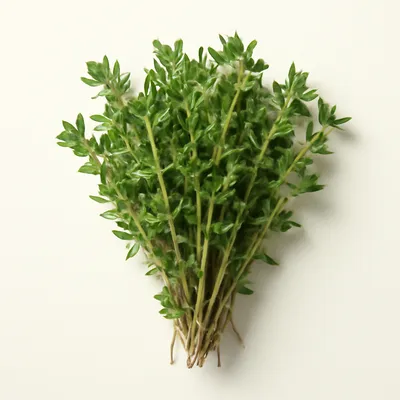
Pour in the coconut milk and enough water to cover the rice by about an inch. Add thyme and tomatoes, stirring gently. Bring to a simmer.
Watch outThe coconut milk should melt the caramel back into the liquid so it looks like even, glossy brown broth before you cover it.
- 50 min
Cover the pot and reduce the heat to low. Let the pelau cook undisturbed until the rice is tender and the liquid is absorbed, about 25 minutes.
Watch outIt's done when the surface is pocked with steam holes and no liquid pools when you tilt the pot.
- 65 min
Fluff the rice with a fork and serve hot, optionally with coleslaw on the side to complement the dish's rich flavors.
Archive tool suggestions — not reviewed
These legacy suggestions have not been evidence-reviewed and are not presented as required tools.