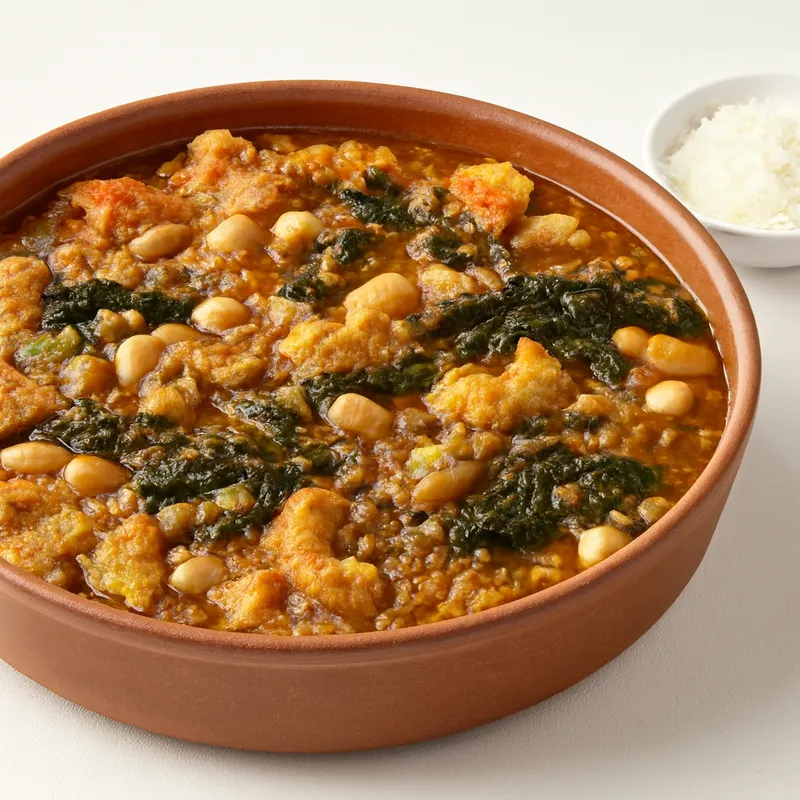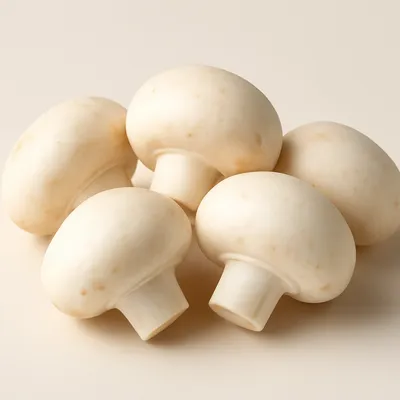





Risotto's home is the Po Valley rice paddies of northern Italy — Lombardy and Piedmont have grown rice in these paddies since the 15th century, though the now-standard short-grain cultivars — Arborio, Carnaroli, and Vialone Nano — were only bred and named in the 20th century. Funghi (porcini, Boletus edulis) are foraged in autumn from oak and chestnut woods across the same regions. The dish is the rice farmer's autumn lunch, made wherever both grow.
Northern Italian autumn dish built on porcini — fresh in season, dried for stock the rest of the year. The mantecatura (off-heat butter-and-parmesan stir) is what turns rice into risotto.
The rice spreads when the plate is tapped — Italians call this all'onda, "like a wave." Each grain is bite-tender outside, faintly chalky inside. Butter and Parmigiano go in at the last second off heat (the mantecatura), pulling everything into a glossy, almost-emulsion texture. Stiff risotto means it's been over-cooked or over-stirred.
Rice variety is non-negotiable: Carnaroli holds the best — it has high amylose so it doesn't break down, and high amylopectin so it releases enough starch for the cream. Long-grain rice cannot make risotto. The dish is also stirred only intermittently, not constantly — gentle agitation releases starch; over-stirring breaks grains and makes it gluey.
Variations
Piedmont versions add white truffle shavings; Lombard cooks sometimes stir in mascarpone; Friulian versions use Montasio cheese and a splash of grappa; restaurant trick — soaking liquid from dried porcini goes into the stock.
On the Palate
Where Risotto ai Funghi sits in the Italian flavor cloud
Get the starch right: add hot broth one ladle at a time and stir only now and then, so the grains release their cream while staying al dente — constant stirring breaks the grains and turns it to paste.
Ingredients
Serves 4


How it's made
6 steps · 38 min
- 15 min
Heat olive oil in a large pan over medium heat until it shimmers. Add finely chopped onion and garlic, stirring until the onion becomes translucent and releases a sweet aroma.
Watch outDon't let the garlic brown, as it will turn bitter.
- 23 min
Add the Arborio rice to the pan, stirring constantly until each grain is coated in oil and turns slightly translucent around the edges.
Watch outToast the raw grains in oil until the edges turn glassy and translucent — that seals the starch in for a firmer bite.
- 33 min
Pour in the white wine, allowing it to sizzle and reduce. Stir continuously until the wine is almost completely absorbed, leaving a fragrant steam.
- 418 min
Gradually add warm broth, one ladle at a time, stirring constantly. Let each addition be mostly absorbed before adding the next. This process should take about 18 minutes, resulting in creamy grains with a slight bite.
Watch outIt's done when a spoon dragged through leaves a slow-closing trail and the grains flow like lava, not stiff, not soupy.
- 57 min
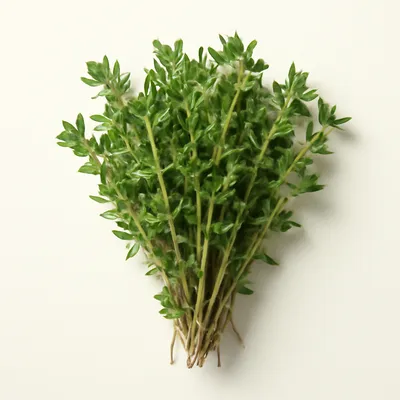
Meanwhile, in a separate pan, sauté the mushrooms in butter until golden and their earthy aroma fills the kitchen. Add thyme and season with salt and pepper.
Watch outSear the mushrooms in a dry-ish hot pan until deep golden and the earthy smell fills the kitchen — crowding steams them grey and flavorless.
- 62 min
Fold the sautéed mushrooms and grated Parmesan into the risotto. Stir until the cheese melts into the rice, creating a luscious, creamy texture.
Archive tool suggestions — not reviewed
These legacy suggestions have not been evidence-reviewed and are not presented as required tools.