
Polenta e schie is a classic Venetian cicchetto: a spoonful of soft white polenta topped with schie, the tiny grey shrimp of the Venetian lagoon, sautéed briefly with garlic, extra-virgin olive oil and parsley. The shrimp are only a few centimetres long, sweet and briny, and when very small are eaten whole — head, shell and all. It is humble lagoon cookery, long a staple of poorer fishing families and now a fixture of the bacari, Venice's small wine bars, where it is served warm as a small plate alongside a glass of wine.

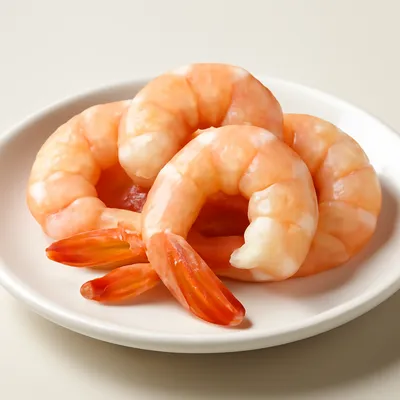




The dish comes from Venice and its lagoon. Schie (singular schia) is the Venetian dialect name for the tiny grey shrimp Crangon crangon, the small grey crustacean that lives on the muddy floor of the lagoon and near the mouths of the rivers feeding it; it averages three to five centimetres and is fished in the cold months, roughly October to March, when it moves into the shallows. Long regarded as a poor man's catch, the schia was eaten chiefly by the lagoon's less wealthy families before being taken up by higher-end kitchens in recent decades. It is paired with the white polenta traditional to the Veneto: the region's heritage white maize, biancoperla — documented in the Veneto since the seventeenth century and now a Slow Food Presidium — yields a pale, delicate polenta that the Veneto serves specifically with river and lagoon fish, schie among them. The exact origin of the dish is unrecorded; it belongs to the everyday cooking of the lagoon rather than to any single cook or date. Today it is a staple cicchetto, the small plate served in the bacari, Venice's traditional wine bars.
The shrimp are sweet and briny with a faint bitter edge, tiny enough that the thin shells turn delicate and crisp; eaten whole, they give a fine crunch that is part of the point. Beneath them lies soft, loose, warm white polenta — pourable rather than set, mild and faintly sweet — and the whole is bound by the green-grassy parsley, the bite of garlic and the fruity weight of olive oil.
The white polenta is cooked low and slow in salted water, the maize starch gelatinizing as the grains hydrate and swell so the mush thickens evenly; for this dish it is kept morbida — soft and fluid, stirred and loosened with extra water rather than left to set firm, since it must spoon out and spread under the shrimp. The schie cook in only two to three minutes: they are tiny, so brief heat sets their proteins and renders the shells crisp, while longer cooking drives out moisture and turns the flesh rubbery. They are dropped into a soffritto of garlic gently warmed in olive oil — kept below browning so the garlic perfumes the oil without turning bitter — finished with parsley off the heat to keep it green. When very small the shrimp are eaten whole, shell and head included; larger ones are quickly peeled.
Variations
White polenta is the Venetian orthodoxy for fish and lagoon dishes, though yellow polenta is sometimes used; the polenta may be served soft and fluid as here, or set and grilled into firm slices. The schie themselves are eaten whole and unpeeled when tiny, or peeled when larger, and may be boiled and simply dressed with oil, lemon and parsley rather than sautéed. When schie are scarce, other small lagoon crustaceans are sometimes substituted. The dish sits among a family of Venetian bacaro cicchetti — baccalà mantecato (whipped salt cod), sarde in saor (sweet-and-sour sardines), moscardini and folpetti (small octopus) — served alongside it without being the same dish.
On the Palate
Where Polenta e Schie sits in the Italian flavor cloud
Ingredients
Serves 4How it's made
7 steps · 20 min active + 40 min waiting
- 15 min
Bring salted water to a gentle boil and rain in the white polenta in a thin stream, whisking to prevent lumps.
- 240 min
Lower the heat and cook the polenta low and slow, stirring often, until smooth; keep it soft and fluid, loosening with extra hot water as needed.
Watch outCook the polenta low and slow and keep it soft and fluid, loosening with hot water — for this dish it must stay morbida to spoon out and spread; let it set firm and it's wrong.
- 35 min
Meanwhile, rinse the schie in cold water and drain; peel the larger ones, leaving the tiniest whole.
- 43 min
Warm the olive oil in a wide pan and gently cook the sliced garlic just until fragrant, without letting it brown.
- 53 min
Add the schie and sauté over brisk heat for two to three minutes, just until the shells crisp and the flesh sets; season with salt.
Watch outSauté the tiny schie just two to three minutes, only until the shells crisp and the flesh sets — any longer and they dry out rubbery.
- 61 min
Take off the heat and toss through the chopped parsley.
- 72 min
Spoon the soft polenta onto warm plates, top with the schie and their pan oil, and serve at once.
Archive tool suggestions — not reviewed
These legacy suggestions have not been evidence-reviewed and are not presented as required tools.


