Small round griddle breads about 10 centimetres across from the Apennine mountains of the Modena area in Emilia-Romagna. A simple leavened dough of flour, water, salt and yeast (sometimes milk and a little lard) is cut into discs and cooked between two hot plates until puffed, pale and patterned, then served hot. They are split through the middle while still warm and filled — most traditionally with cunza, also called pesto modenese, a paste of pork lard pounded with garlic and rosemary, often with grated Parmigiano — or with cured meats, cheese and salty or sweet spreads. The bread is properly called crescentina; tigella is really the name of the disc it is cooked on.





Crescentine are a humble bread of the rural Modena Apennines, once baked daily in farmhouse hearths and eaten in place of ordinary bread. The proper name is crescentina, from the dough that swells — cresce, «it rises» — as it cooks. The more familiar name tigella comes from the cooking tool: round terracotta discs, roughly 10 to 12 centimetres across and often pressed with a flower pattern, which were heated in the fire and stacked alternately with the raw dough — tigella, dough, tigella — the rounds traditionally wrapped in chestnut or walnut leaves between the discs. The word tigella is generally traced to the Latin tegere, «to cover», for the discs that capped the dough. As the breads spread beyond the mountains, people took to calling them by the name of the discs, and tigelle stuck.
Pulled hot off the plates, a tigella is soft and slightly springy inside with a thin, pale, lightly crisp crust marked by the disc's pattern. Split open while warm and smeared with cunza, the lard melts at once into the bread, carrying the sharp hit of garlic and the resin of rosemary, and a dusting of Parmigiano adds salt and savour. Filled with prosciutto or salame it is chewier and meatier. A good tigella is hot, freshly cooked and pliable; left to cool it turns dry and leathery, which is why they are eaten the moment they come off the heat.
The dough is leavened — yeast ferments the flour's sugars to carbon dioxide, which raises and lightens the crumb — and the cooking method does the rest: trapped between two hot plates, the disc is heated from both sides at once, so the surface sets and lightly browns while steam from the dough's own water inflates it from within, giving the puffed shape and soft interior in just a few minutes. The terracotta of a true tigella holds and radiates a steady, even heat, which is why the old fired discs worked so well. The cunza filling is added off the heat: the warmth of the just-cooked bread is enough to melt the lard and release the garlic and rosemary aromas into the fat without frying them.
Variations
The names cause endless confusion: crescentina is the historically correct word, tigella the common one, and in parts of the territory the same kind of bread shades into the fried, puffed gnocco fritto, which is a different thing — dough fried in lard rather than griddled. Fillings range widely beyond cunza: cured meats such as prosciutto, mortadella and salame, soft and aged cheeses, and sweet spreads like jam or Nutella for children. Home cooks use a hinged metal tigelliera over the stove in place of the old clay discs, while restaurants use electric griddles. Recipes differ on whether to enrich the dough with milk, lard or a little of both.
On the Palate
Where Tigelle (Crescentine Modenesi) sits in the Italian flavor cloud
Ingredients
Serves 6


How it's made
7 steps · 40 min active + 1 hour 20 min waiting
- 110 min
Dissolve the yeast in warm water (or milk) and mix into the flour with salt and a little melted lard to form a soft dough.
- 260 min
Knead until smooth and elastic, then cover and leave to rise until doubled, about an hour.
Watch outKnead until smooth and elastic, then let it rise until doubled — the yeast lightens the crumb, and a well-risen dough is what puffs soft between the plates.
- 310 min
Roll the dough out about a centimetre thick and cut into rounds about 10 centimetres across.
- 415 min
Let the cut rounds rest a short while to relax and rise again slightly.
- 512 min
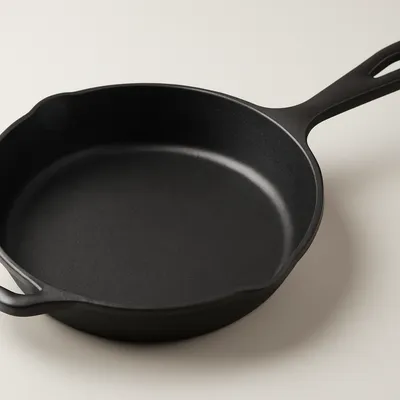
Heat a tigelliera or two griddle plates well, and cook the rounds a few at a time, turning, until puffed, pale-gold and patterned.
Watch outCook the rounds between hot plates, turning, until puffed and pale-gold — heat from both sides sets the surface while the dough's own steam inflates it in minutes.
- 68 min
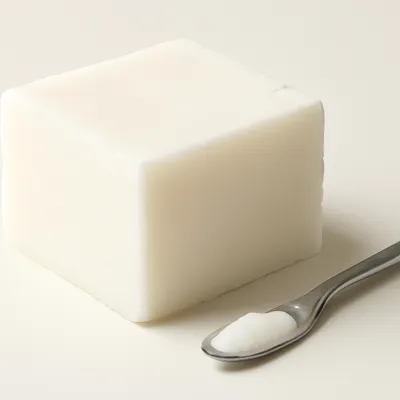
Meanwhile pound lard with garlic and rosemary into a smooth cunza paste.
- 75 min
Split each hot tigella, spread with cunza and grated Parmigiano or fill with cured meats and cheese, and serve at once.
Archive tool suggestions — not reviewed
These legacy suggestions have not been evidence-reviewed and are not presented as required tools.