Type & relationships
Lard
Rendered swine fat, not unspecified fat tissue or matured Lardo. Additives and treatment are not fixed; no home-rendering method is approved.
Sources & scope
- www.ecfr.gov · §319.702(a): rendered fat from swine
Rendered swine-fat definition only; local additives, treatment and household rendering instructions are not specified.
- Pork Fat
Rendered swine-fat origin; target fat-material state is unresolved, not a specified input amount or executable rendering step.
Sources & scope
- www.ecfr.gov · §319.702(a): rendered swine fat
Rendered swine-fat definition only; local additives, treatment and household rendering instructions are not specified.
- www.ecfr.gov · §319.702(a): rendered swine fat
Techniques in related dishes
Used in the related dishes below, not required preparation steps for this ingredient.
This section was checked against the listed sources, without human approval or kitchen testing. Groups and relationships do not establish substitutions, stock availability or cooking instructions.
Rich, rendered fat with a distinct flavor; lard brings a deep, savory essence to dishes, enhancing their overall richness and complexity.
Where it comes from
Historically used in European cooking, lard has seen a resurgence in interest for its flavor and traditional applications in pastries and savory dishes.
In the kitchen
Ideal for frying or baking, lard adds tenderness and flavor to pie crusts and enhances the depth of flavor in savory dishes.
Across cuisines
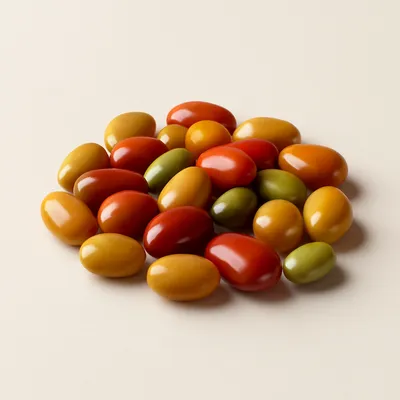
In Hungarian cuisine, lard is a fundamental cooking fat, often rendered from pork and used in place of butter or oil. It provides a rich base for dishes like Lecsó, where vegetables are sautéed in lard to enhance their flavor. Lard is also used in making doughs for pastries, lending a flaky texture that is essential in traditional recipes.
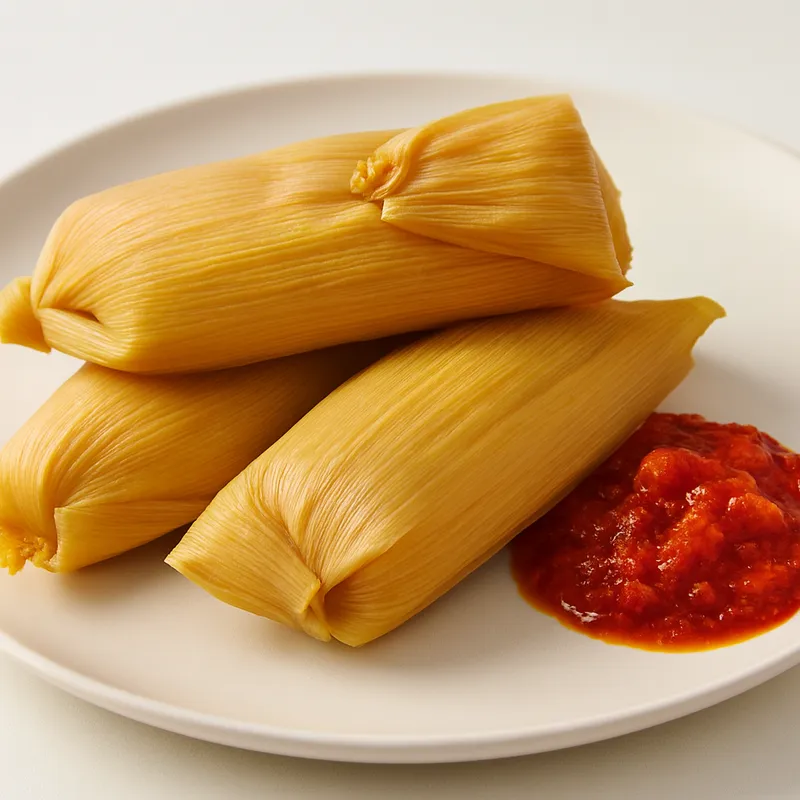
In Mexican cuisine, lard is often incorporated into masa dough to improve texture and flavor. It is a key ingredient in tamales, where it is mixed with masa harina to create a light and tender dough. The lard contributes to the characteristic richness and moisture of the masa, which is crucial for the final product.
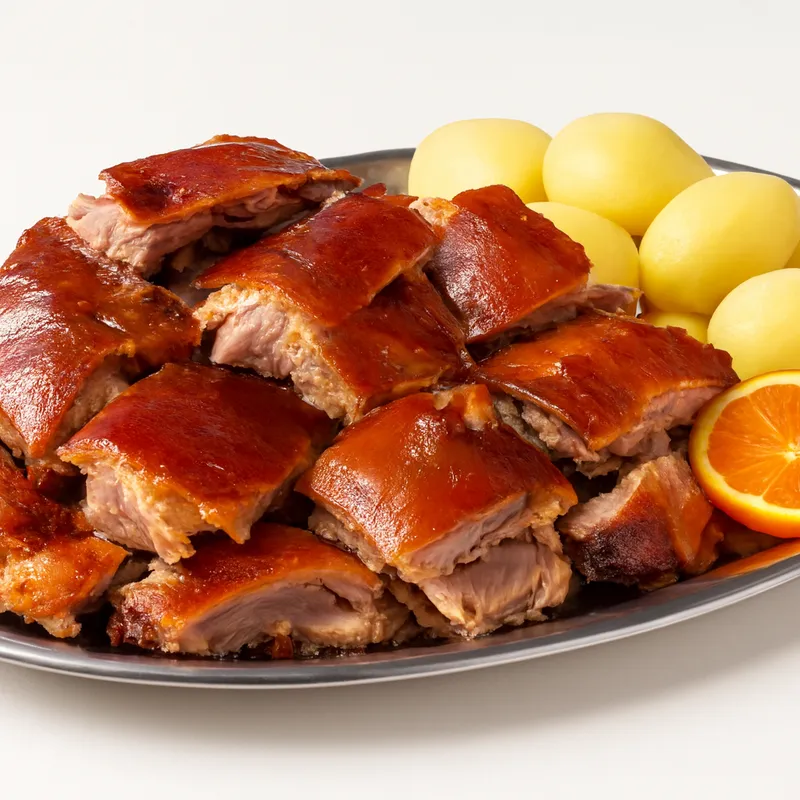
In Portuguese cuisine, lard is frequently used to infuse dishes with a deep, savory flavor. It is a traditional element in preparing sausages like Alheira, where it helps to bind the ingredients and enhance the overall taste. Lard is also used in roasting meats, contributing to a crispy exterior and succulent interior.
Nutrition (per 100g)
AI-estimated; model and run unavailable.
Pairs well with