A crispy, sweet pastry tube filled with sheep's-milk ricotta, speckled with candied orange and pistachios.


Trace back to Caltanissetta in central Sicily, likely during Arab rule (827–1091) — Arabs brought sugar cane, almonds, and the technique of frying dough tubes. Local legend ties the shape to the Saracen emirs' harems; the more reliable story is that Caltanissetta nuns refined them at Carnival. The Italian name from 'canna' (reed) — early shells were rolled around river-cane sections.
Caltanissetta-born during Arab Sicily (827–1091); shells were once rolled around river-cane (canna) sections. The dough has marsala wine and vinegar — both lower the pH, weaken gluten, and give the blistered crackle.
A fried pastry tube, blistered with bubbles, filled to order with sweetened sheep's-milk ricotta. The shell shatters; the filling is cold, not-too-sweet, sometimes flecked with chocolate chips, candied orange, or chopped pistachio at the ends. Filling done in advance ruins it — moisture migrates outward and the shell goes soft within an hour. Ask the bar to fill it while you wait.
The shell dough contains marsala wine and a touch of vinegar — both lower the pH, which weakens gluten and gives the blistered, glassy crackle. Lard is traditional for frying (not seed oil) for flavor. The ricotta must be drained 12+ hours through cheesecloth or the filling weeps; mainland cow's-milk ricotta is too wet and bland — Sicilian sheep's-milk ricotta has the tang and density to hold its shape.
Variations
Caltanissetta and Piana degli Albanesi run sheep-milk ricotta and dip ends in chopped pistachio; Palermo and Messina add candied orange and chocolate chips; Sicilian-American versions in Brooklyn (Mike's Pastry, Boston) often switch to cow's-milk ricotta and powdered sugar.
On the Palate
Where Cannoli sits in the Italian flavor cloud
Fill the shells only at the very last moment with well-drained ricotta — moisture is the enemy, and a shell filled early goes soft and soggy within an hour.
Ingredients


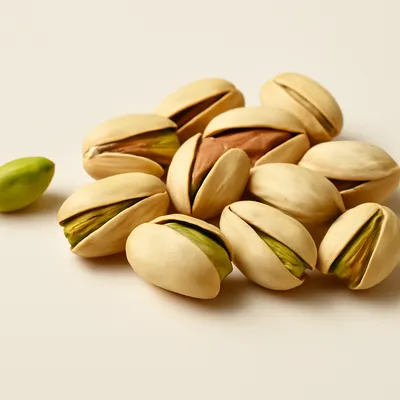

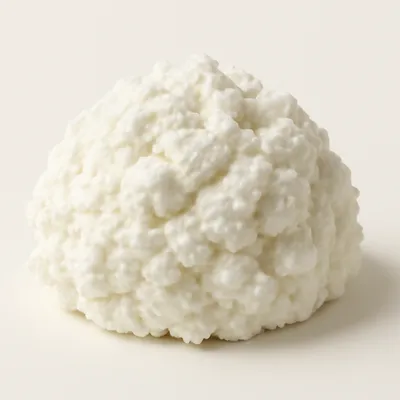
How it's made
6 steps · 40 min active + 1 hour waiting
- 110 min
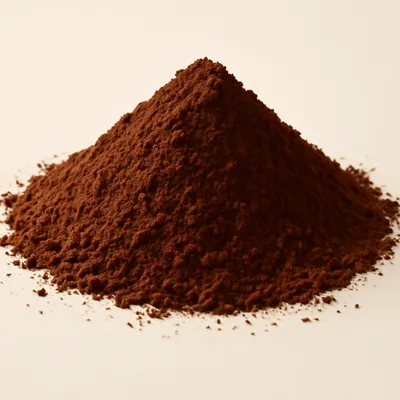
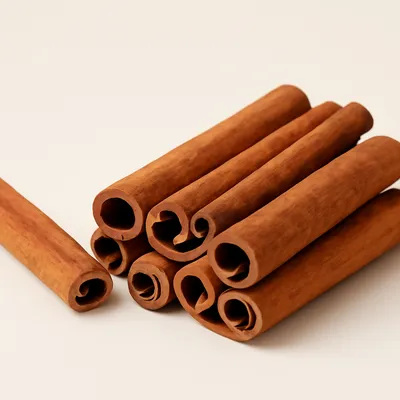
In a bowl, mix wheat flour, sugar, cocoa powder, and cinnamon. Add lard and white wine, kneading until a smooth dough forms, about 10 minutes.
Watch outThe dough should come together smooth and elastic, pulling clean off the bowl; if it's crumbly add wine a few drops at a time.
- 20 min
Wrap the dough in plastic wrap and let it rest in the refrigerator for 1 hour to firm up.
- 310 min
Roll the dough out to a thin sheet and cut into circles. Wrap each circle around a metal cannoli tube, sealing the edges with egg white.
Watch outMake sure to seal the edges well to prevent the shells from opening during frying.
- 45 min
Heat oil in a deep fryer to 350°F (175°C). Fry the cannoli shells until golden brown and crisp, about 2-3 minutes. Drain on paper towels.
Watch outOil at 175°C — a scrap of dough should sizzle and rise at once; pull the shells when golden with a bubbled surface.
- 510 min
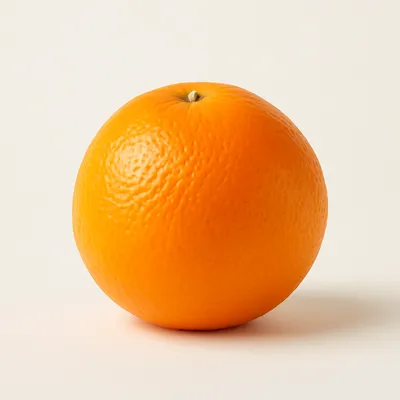
In a bowl, mix ricotta with finely chopped candied orange peel and crushed pistachios. Fill the cooled cannoli shells with the ricotta mixture using a piping bag.
Watch outFill only once the shells are fully cool, and only right before serving, so they stay crisp.
- 65 min
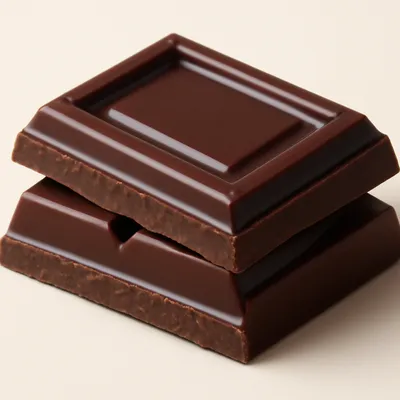
Dip the ends of each filled cannoli in melted dark chocolate and let them set before serving.
Watch outAllow the chocolate to cool slightly before dipping to prevent it from melting the filling.
Archive tool suggestions — not reviewed
These legacy suggestions have not been evidence-reviewed and are not presented as required tools.