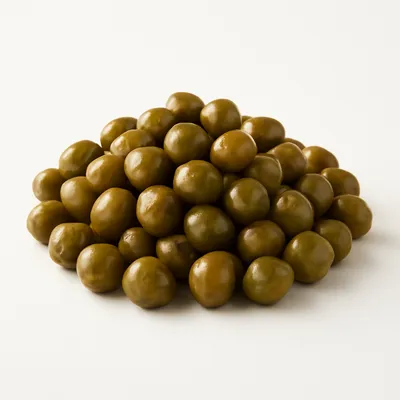
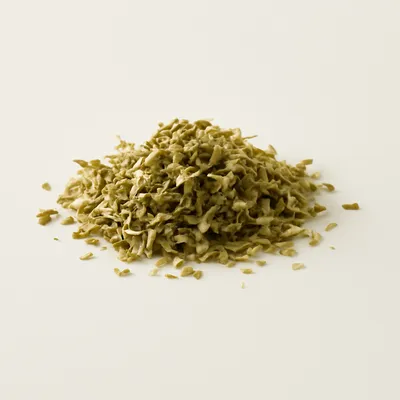
The signature flatbread of Sanremo: a focaccia-style base topped with crushed tomato, salt-cured anchovies, Taggiasca olives, whole unpeeled garlic cloves, capers, and dried oregano, all drenched in Riviera extra virgin olive oil and baked until the edges are deeply crisp and the interior pillowy. A De.Co.-protected municipal specialty.





The sardenaira descends from the machetusa, an ancient Ligurian focaccia spread with pounded salted anchovies — a preparation whose lineage reaches back to Roman garum. When tomatoes arrived in Ligurian kitchens in the sixteenth century, they gradually displaced the anchovy paste as the primary topping, producing the modern form. Two name-legends compete: one links the Imperia variant, pissalandrea or piscialandrea, to the Genoese admiral Andrea Doria; another derives sardenaira from the sardines historically used in place of anchovies. Sanremo's municipality granted the dish a Denominazione Comunale (De.Co.) designation, fixing a disciplinare that mandates fresh or pureed tomato and gives preference to DOP Riviera Ligure olive oil.
Biting through the deeply crisp, oil-saturated edge into a pillowy centre, you meet the concentrated savour of salt-cured anchovies dissolving into the bread, the gentle burst of a Taggiasca olive, and the scattered punctuation of capers — all grounded by the herbaceous warmth of dried oregano and the fruity richness of Riviera olive oil.
The dough ferments for at least an hour: yeast CO₂ accumulates within the gluten network, creating an open, airy crumb. Baking at 220–230°C rapidly desiccates the surface while trapped steam continues to expand the structure upward, producing the crust-versus-crumb contrast. Anchovies are rich in inosinate (IMP); tomatoes supply glutamate. Together they trigger synergistic umami amplification — nucleotide-amino acid pairing raises perceived savouriness far beyond the sum of either component alone. The generous olive oil coating the pan and topping slows surface moisture loss, keeping the crumb supple after baking.
Variations
Pissalandrea, the Imperia variant, adds onion and often omits capers; Bordighera calls it pisciarà and Ventimiglia pisciadela, each with subtly different topping ratios. Archaic preparations incorporate mashed potato into the dough for added softness. Some coastal versions substitute fresh sardines for the salted anchovies, returning the dish to its probable name-origin.
On the Palate
Where Sardenaira sits in the Italian flavor cloud
Ingredients
Serves 6

How it's made
7 steps · 30 min
- 110 min
Combine flour, warm water, yeast, salt, and olive oil in a bowl; knead 10 minutes until the dough is smooth and elastic. It should be slightly tacky but not sticky.
- 260 min
Shape into a ball, cover with a damp cloth, and let rise at room temperature for 1 hour until doubled.
Watch outLet the dough rise until doubled — under-proofed and the crust bakes dense and tight instead of open and airy.
- 310 min
While the dough rises, crush or coarsely puree canned tomatoes; drain off excess liquid. Rinse salted capers under cold water and drain. Pit Taggiasca olives if needed.
- 45 min
Pour a generous layer of olive oil into a rectangular baking pan. Transfer the risen dough and stretch it with oiled fingertips to fill the pan, dimpling the surface as you go.
- 530 min
Let the shaped dough rest uncovered for 20–30 minutes while the oven preheats to 230°C (fan 210°C).
- 65 min
Spoon crushed tomato evenly over the surface. Arrange anchovies, whole unpeeled garlic cloves, drained capers, and olives across the top. Drizzle liberally with extra virgin olive oil and scatter dried oregano.
Watch outDrizzle the oil on generously before baking — it keeps the crumb moist and carries the anchovy-tomato flavor; a dry top bakes hard and bland.
- 730 min
Bake 25–30 minutes until edges are deeply golden and crisp and the interior is puffed and soft. Rest 5 minutes before slicing.
Watch outBake until the edges are deeply golden and crisp and the middle is puffed and soft — pale edges mean it's underbaked and doughy.
Archive tool suggestions — not reviewed
These legacy suggestions have not been evidence-reviewed and are not presented as required tools.


