
A Friuli-Venezia Giulia preparation of turnips fermented whole in grape marc — the skins, seeds and stalks left from pressing red wine — then grated and cooked. The vegetable takes on a winey, sour-tart flavour and a pale pink stain from the marc. It is the classic partner to boiled muset or cotechino, the region's fat pork sausages, cutting their richness; it can be served as a side dish or, with the sausage, as a main. Brovada holds PDO (Protected Designation of Origin / DOP) status, registered in 2011.
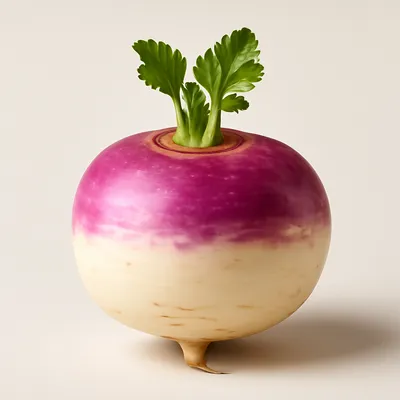





Brovada is one of the oldest documented foods of Friuli, a winter staple of cucina povera in a region where wine pressing and turnip-growing went hand in hand. The method is a thrifty piece of peasant logic — burying turnips in spent grape marc both preserves them and gives away nothing from the harvest — and it appears in Friulian records well back into the historical kitchen. Its name and method were given EU protection as a PDO in 2011 (Commission Implementing Regulation (EU) No 1119/2011); production is fixed to the provinces of Udine, Pordenone and Gorizia below 1,200 metres.
Sharp, sour and faintly winey, with the firm-tender chew of a cooked root rather than the crunch of a raw pickle — closer in spirit to sauerkraut than to a quick-pickled vegetable. The colour is a soft pink picked up from the red-grape marc. Cooked with the pork it turns mellower and savoury, its acidity slicing cleanly through the fat of muset. Good brovada is cleanly sour and aromatic; spoiled or poorly fermented marc gives it an off, muddy or unpleasantly vinegary taste.
This is a lactic fermentation carried out under grape marc rather than in brine. Packed whole and layered with marc in vats, the turnips ferment as lactic-acid bacteria convert their sugars into lactic acid, dropping the pH until spoilage organisms are shut out; the marc supplies its own acidity, sugars and microflora and lends colour and a wine-like aroma. The turnips stay in the vats for roughly a month — by the disciplinare, at least 25 to 30 days depending on the season. The acid both preserves the root and softens its texture; cooking it afterwards with fatty pork mellows the sourness, while the residual acidity cuts through and balances the fat.
Variations
The defining pairing is brovada e muset — brovada with muset, the Friulian boiled pork sausage made from snout and rind — and it is served just as readily with cotechino. Some cooks stew it down with onion, lard or pancetta into a soft braised side; the fermented turnips are also added to bean soups and winter stews. It is the Friulian counterpart to other Alpine and central-European fermented vegetables eaten with rich boiled meats, most obviously sauerkraut.
On the Palate
Where Brovada sits in the Italian flavor cloud
Ingredients
Serves 6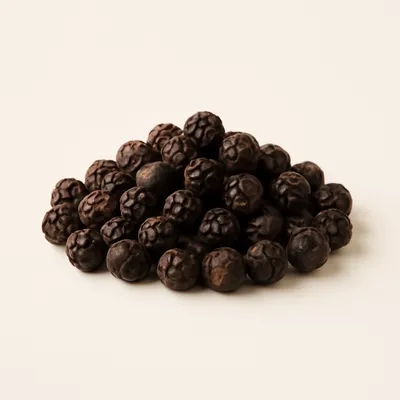
How it's made
7 steps · 1 hour
- 130 min
Wash and trim the turnips and pack them whole into a vat, layered with dry red-grape marc so they are fully covered.
- 243200 min
Weight the turnips down, seal the vat, and leave to ferment in a cool place for about a month until sour and tender.
Watch outWeight the turnips down so they stay fully buried in the marc — any exposed to air will spoil instead of souring cleanly.
- 320 min
Lift out the fermented turnips, rinse off the marc, and grate them on the coarse side of a grater.
- 48 min
Gently fry chopped onion in lard or oil in a wide pan until soft.
- 55 min
Add the grated turnips with a little water or broth and a bay leaf, and stew gently.
- 635 min
Cook slowly until the turnips are soft and the sharp edge has mellowed, seasoning with salt and pepper.
Watch outCook slowly until the sharp sour edge mellows — the fat pork and gentle stew are what tame the ferment's bite.
- 73 min
Serve hot alongside boiled muset or cotechino sausage.
Archive tool suggestions — not reviewed
These legacy suggestions have not been evidence-reviewed and are not presented as required tools.


