The fagiolina del Trasimeno is a tiny, thin-skinned heirloom pulse from the shores of Lake Trasimeno, botanically a cowpea rather than an American bean, its rice-sized seeds ranging from cream through salmon to black. Grown here since Etruscan times and nearly lost to its wholly hand-worked cultivation, it was made a Slow Food Presidium in 2000 and given a protective consortium in 2002. It needs no soaking; at its most traditional it is simply boiled and dressed with new Trasimeno olive oil, served in soup, or paired with the lake’s fish.



A landrace cowpea (Vigna unguiculata) of the Lake Trasimeno shore, the fagiolina is said to have been grown here since Etruscan times and is often called the only pulse cultivated in Europe before Phaseolus beans arrived from the Americas in the sixteenth century. Its rice-sized seeds come in many colours and ripen unevenly, so sowing, harvesting and threshing were all done by hand, labour that nearly killed the crop off in the twentieth century. It was saved as a Slow Food Presidium in 2000, and a producers’ consortium followed in 2002, drawn from Castiglione del Lago, Panicale, Magione and the other lakeside communes of the province of Perugia.
Cooked without soaking, the little beans stay whole and hold a gentle bite, their thin skins all but dissolving into a creamy, almost buttery interior; the flavour is delicate and faintly sweet, a clean canvas for grassy new olive oil.
As a cowpea rather than a common bean, the fagiolina has a very thin, low-lignin seed coat and a rice-grain size, giving it a high surface-to-volume ratio; water and heat reach the core quickly, so the starch gelatinises and the seed cooks through in about half an hour with no soaking. That thin skin is also less prone to bursting than a thick-coated Phaseolus, so gentle, barely trembling water keeps the beans whole. Salt is added only near the end, once the interiors are soft, so the surface proteins and pectin do not toughen early and slow the cooking. Dressed warm, the beans drink up olive oil as they cool and their surface starch sets.
Variations
The plainest and most traditional serving is boiled and dressed warm with new Trasimeno oil, salt and pepper, sometimes with raw onion or a little garlic and sage. It also goes into soups and into pasta e fagiolina, is puréed for crostini, and is classically paired with the lake’s fish: carp, tench, eel. The many seed colours are usually cooked together, the mix part of its character.
On the Palate
Where Fagiolina del Trasimeno sits in the Italian flavor cloud
Ingredients
Serves 4
How it's made
8 steps · 10 min
- 15 min
Pick over the dried fagiolina for grit and rinse; no soaking is needed.
- 25 min
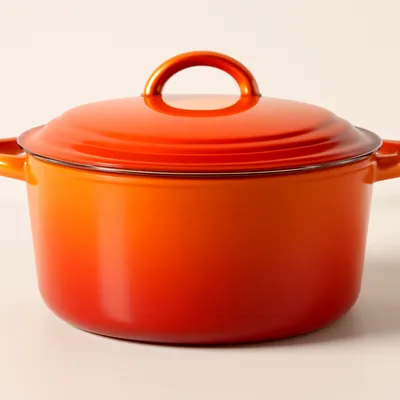
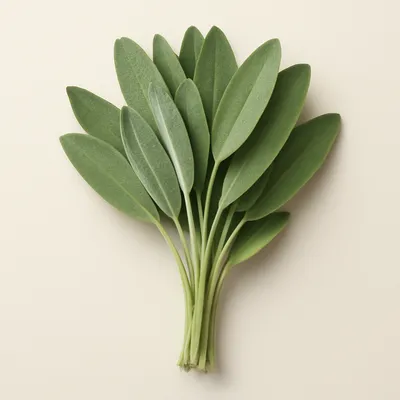
Put the beans in a pot with plenty of cold, unsalted water, a whole garlic clove, sage and a bay leaf.
- 38 min
Bring slowly up to a bare simmer and skim off any foam.
- 435 min
Simmer very gently, the water barely trembling, for about 30–40 minutes until the beans are tender but still whole, topping up with hot water if they surface.
Watch outKeep the water just trembling, never a rolling boil — a hard bubble bursts these thin-skinned beans and clouds the pot.
- 55 min
Season with salt only in the last few minutes, once the interiors are soft.
Watch outSalt only in the last few minutes, once the insides are soft — add it early and the skins toughen and the beans cook unevenly.
- 63 min
Drain, reserving a little cooking liquid, and discard the garlic, sage and bay.
- 74 min
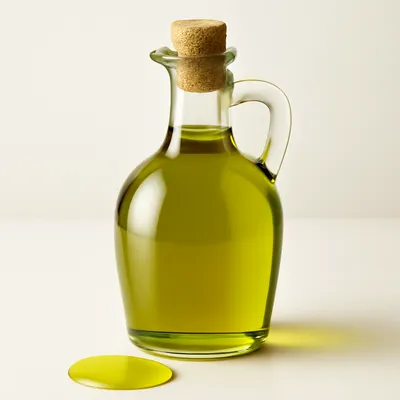
While still warm, dress with new Trasimeno extra-virgin olive oil, thinly sliced red onion, salt and black pepper.
- 85 min
Let stand a few minutes to drink in the oil; serve tepid, on its own or alongside the lake’s fish.
Archive tool suggestions — not reviewed
These legacy suggestions have not been evidence-reviewed and are not presented as required tools.