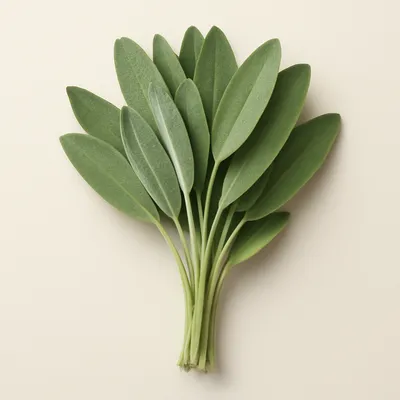
Soft, silvery leaves with a warm, earthy aroma; sage brings a savory, slightly peppery flavor to dishes. A key player in Italian and French cuisines, it is often paired with rich meats and creamy sauces.
Where it comes from
Sage has a long history in culinary and medicinal traditions, revered by ancient Greeks and Romans for its healing properties.
In the kitchen
Sage is commonly used in stuffing, sauces, and as a seasoning for meats, imparting a warm, herbaceous flavor that complements richness.
Across cuisines
Sage is an herb with soft, silvery leaves and a warm, earthy aroma, bringing a savory, slightly peppery flavor to dishes. It is a key component in Italian and French cuisines, often paired with rich meats and creamy sauces.
Nutrition (per 100g)
~315kcalCal
~9.0gProtein
~10.6gFat
~60.7gCarbs
~40.3gFiber
AI-estimated; model and run unavailable.
Pairs well with

Butter
Medium heat, watch closely. Sage sizzles in butter until leaves crisp and butter browns. Warm, nutty, and earthy — perfect for pasta.

Pumpkin
Sauté sage in butter before adding pumpkin. The herb's earthy aroma complements pumpkin's creamy texture beautifully.
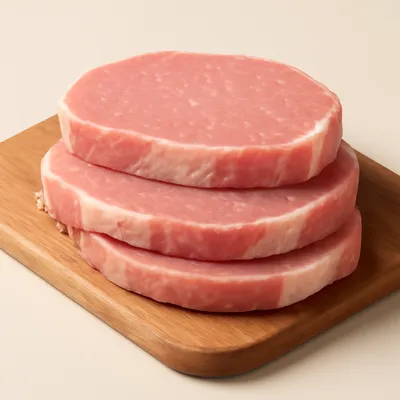
Pork cutlets
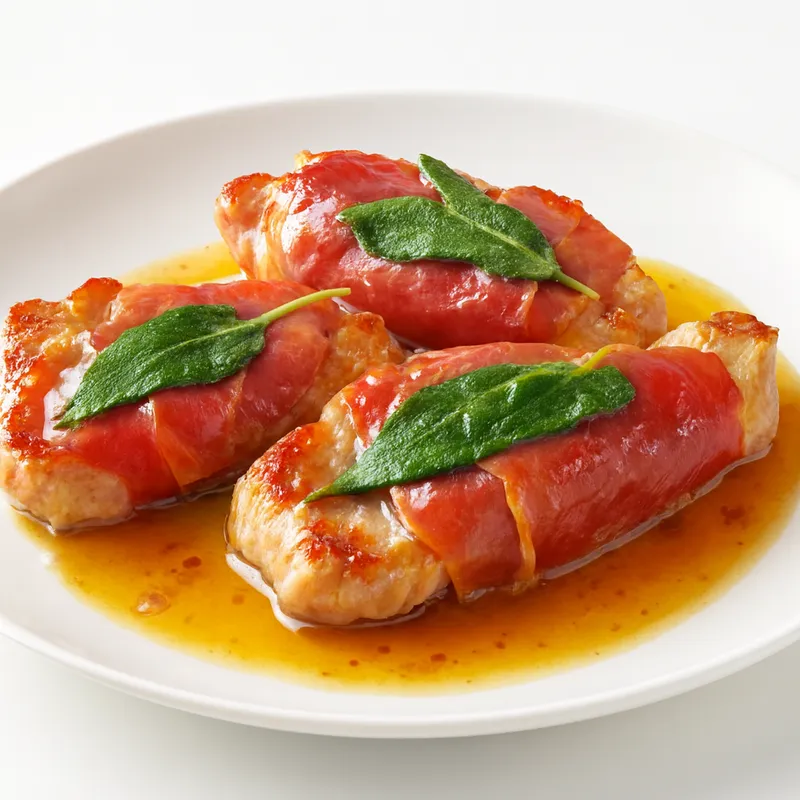
Sage leaves fried in butter, crisp and aromatic, lift the pork's earthy notes. Add just before serving.

Chestnut
Roast chestnuts with sage leaves. The earthy, pine-like aroma of sage lifts the sweet, nutty tones of chestnuts.

Ravioli
Fry sage in butter until crisp, then toss with ravioli. The earthy, herbal notes sing.